
Part 1: Dream Presentation
Dreams often unfold as intimate narratives, bridging the conscious and unconscious realms through familiar yet uncanny imagery. This dream, set in a childhood backyard yet charged with surreal details, offers a window into the dreamer’s inner landscape. The scene begins in a tent—a space traditionally associated with adventure and protection—nestled in a parents’ backyard, a location steeped in nostalgia and security. The specific time of 3:46 PM, noted with precision in the dream, introduces a temporal element that disrupts the idyllic setting, while the miniature white dogs (with hair rather than fur) add an unexpected layer of the uncanny. The dream progresses through disorientation, a search for comfort in a nurturing figure (the mother), and a pivotal realization of still being asleep—elements that collectively suggest themes of boundary testing, time awareness, and emotional security.
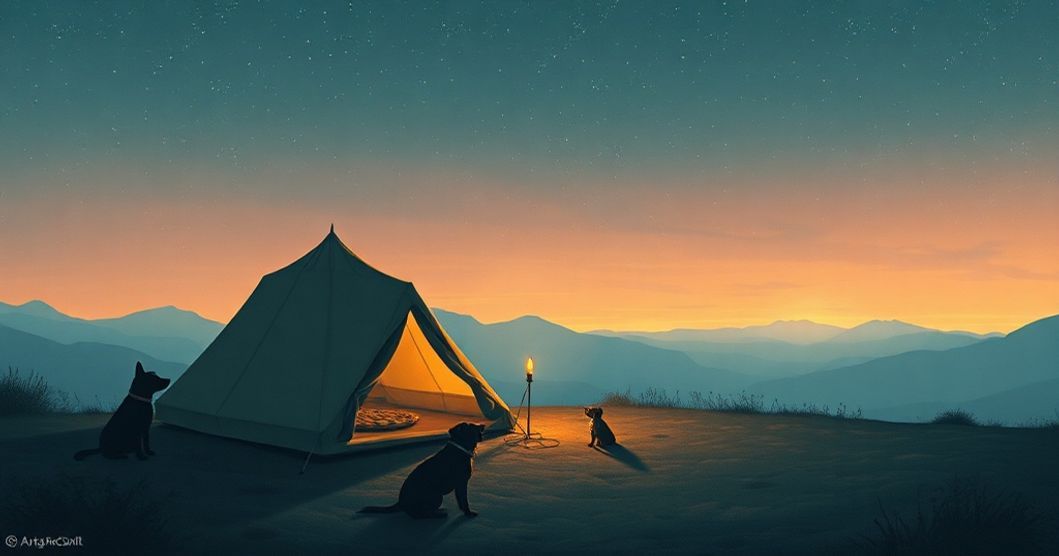
I woke to find myself in my parents’ backyard, nestled inside a small tent that felt both familiar and strangely out of place. The air smelled of freshly cut grass and the faint sweetness of summer flowers, though the late-afternoon light carried an unnatural stillness. Curious, I checked my imaginary phone—time read 3:46 PM—and my stomach twisted with disorientation. How had I fallen asleep here? The tent, once a playful hideout from childhood, now felt confining yet oddly comforting. Outside, the world seemed to pause: a dozen tiny white dogs, unlike any breed I recognized, surrounded me. Their fur was more like fine, silken hair than typical dog fur, giving them an otherworldly, almost ethereal quality. They didn’t bark or snarl but simply watched, their eyes wide and earnest. I felt disoriented, confused by the late hour and my unexpected location. Why had I slept so deeply in a place that should have felt familiar? Without thinking, I pushed aside the tent flap and stepped out, the dogs circling closer. I ran toward my mother, who stood by the sprinkler, watering the lawn as if this were a normal afternoon. Her back was turned, and she hummed a familiar tune. As I approached, a strange clarity washed over me: this couldn’t be real. The details were too perfect, the moment too still. I was still asleep. With a jolt, I forced my eyes open, heart racing, realizing the tent, the dogs, and the backyard had been a vivid dream—yet the emotions of disorientation and longing for home lingered.
Part 2: Clinical Analysis
Want a More Personalized Interpretation?
Get your own AI-powered dream analysis tailored specifically to your dream
🔮Try Dream Analysis FreeSymbolic Landscape: Decoding the Dream’s Visual Language
The tent in this dream serves as a multifaceted symbol of protection and transition. In Jungian psychology, tents often represent the shadow self or a temporary holding space between conscious awareness and deeper unconscious material—a safe yet limited environment for processing emotions. The parents’ backyard, a quintessential symbol of home and security, anchors the dream in familiar territory, suggesting a desire for rootedness or a return to a simpler time. The specific time of 3:46 PM introduces a crucial temporal element; in dreamwork, precise times rarely occur randomly but often reflect internal clocks or unprocessed moments in waking life. This could signify awareness of “unfinished business” or a sense that time is slipping away, particularly in relation to responsibilities or personal growth.
The tiny white dogs, with hair rather than fur, represent a nuanced symbolic layer. Dogs universally symbolize intuition, loyalty, and emotional needs in dream imagery, but their miniature size and unusual fur texture suggest the dreamer’s focus on subtle aspects of self or relationships. Hair-like fur might indicate vulnerability or a need to “be seen” in a delicate, unguarded way, while their silent, watchful presence hints at a need for validation or guidance from one’s inner wisdom. In dreamwork, animals often embody archetypal energies; these dogs could represent the dreamer’s “inner child” or overlooked aspects of self that crave attention.
The disorientation experienced upon waking in the tent—confusion about sleeping late, running to the mother, and the final realization of still being asleep—reflects a core theme of reality testing. This common dream motif speaks to the dreamer’s uncertainty about their current life direction, a questioning of whether they are “awake” to their true needs or responsibilities. The mother watering the lawn, a nurturing, routine action, represents a desire for care and stability, while the act of “forcing” wakefulness underscores the tension between unconscious urges and conscious reality.
Psychological Undercurrents: Jungian and Freudian Perspectives
From a Jungian framework, this dream illuminates the collective unconscious through its use of archetypal imagery. The tent embodies the anima/animus (the feminine/masculine aspects of the psyche), a protective space for integrating these opposing forces. The backyard, as a home symbol, represents the shadow—the repressed or overlooked parts of self that seek acknowledgment. The mother, a nurturing figure, aligns with the persona archetype, representing how the dreamer presents themselves to the world, while the dogs embody the shadow’s need for integration.
Freudian analysis would likely focus on childhood memories and repressed desires. The tent as a childhood space suggests regression to a time of less responsibility, a common response to stress or uncertainty. The mother watering the lawn could represent unresolved maternal relationships or a longing for the care and structure of childhood. The time 3:46 PM might symbolize an “unfinished” moment in waking life—a task or relationship that feels suspended, much like the dreamer’s confusion about time management.
Modern dream research adds a cognitive perspective, suggesting the dream’s elements reflect the brain’s attempt to process emotional information during sleep. The tent could represent a “protective buffer” against waking stressors, while the dogs and temporal disorientation signal a need to reorient to life priorities. The act of realizing “still asleep” mirrors the brain’s natural process of distinguishing dreams from reality during REM sleep, but here it takes on psychological significance as a metaphor for life’s own disorienting moments.
Emotional Context: Unpacking the Dreamer’s Inner Landscape
This dream likely emerges from a period of life transition or uncertainty, where the dreamer feels pulled between the safety of home and the challenges of growth. The parents’ backyard, a symbol of stability, contrasts with the surreal dogs and disorienting time, suggesting a tension between the comfort of routine and the need for change. The specific time of 3:46 PM may reflect anxiety about time management—perhaps feeling overwhelmed by responsibilities that demand attention yet are slipping away unnoticed.
The tiny dogs’ silent, watchful presence hints at emotional vulnerability. The dreamer may be grappling with feelings of being “too small” to address life’s challenges or needing to honor more delicate aspects of their emotional self. The mother’s nurturing role, combined with the dreamer’s confusion about sleeping late, suggests a longing for guidance or permission to slow down and care for themselves without guilt.
The act of “forcing” wakefulness reflects a deeper tension: the dreamer may feel pressured to be fully present and productive, yet the unconscious is signaling a need for rest or reconnection with intuition. This internal conflict between action and reflection is common in periods of high stress, where the mind seeks balance between doing and being.
Therapeutic Insights: From Dream to Self-Awareness
This dream offers several opportunities for self-reflection and growth. First, the tent as a protective space suggests the value of creating boundaries in waking life—both physical and emotional—to shield against overwhelming stressors. The dreamer might benefit from establishing intentional “safe spaces” (literal or metaphorical) to process emotions without judgment.
The tiny dogs invite the dreamer to pay attention to subtle cues from their intuition. These silent observers may represent overlooked aspects of self or relationships that need acknowledgment. Journaling exercises focusing on “small joys” or “subtle insights” could help the dreamer connect with this intuitive voice.
The temporal element (3:46 PM) urges the dreamer to examine how they relate to time in waking life. Are they honoring their need for rest, or feeling pressured to “be productive” at all hours? A simple reflection practice—scheduling brief “dream-check-ins” at 3:46 PM daily—could foster awareness of this internal clock and its messages.
The final realization of still being asleep underscores the importance of reality testing in daily life. The dreamer might benefit from asking: “Am I living authentically, or sleepwalking through responsibilities?” This question can guide decisions about prioritizing self-care and aligning actions with core values.
FAQ Section
Q: What does the time 3:46 PM symbolize in dreams?
A: Specific times in dreams often reflect internal “unfinished business” or awareness of temporal pressure. 3:46 PM may signal concerns about time management or unprocessed moments in waking life.
Q: Why do the dogs have hair instead of fur?
A: Hair-like fur suggests vulnerability, delicacy, or a need for gentle, unguarded self-expression. The dogs’ silent presence hints at needing guidance from intuition rather than loud external signals.
Q: How does “realizing still asleep” affect interpretation?
A: This common motif reflects uncertainty about life direction or reality testing, suggesting the dreamer questions whether they’re fully engaged with their waking life or “sleepwalking” through responsibilities. It urges reflection on authenticity.
Keywords: tent, backyard, time awareness, miniature dogs, hair texture, disorientation, mother, reality testing, childhood nostalgia, intuition, protective space, temporal anxiety, inner child, emotional vulnerability Entities: parents’ backyard, sprinkler, imaginary phone, white dogs, tent, forced wakefulness, nurturing figure, reality testing