
Part 1: Dream Presentation
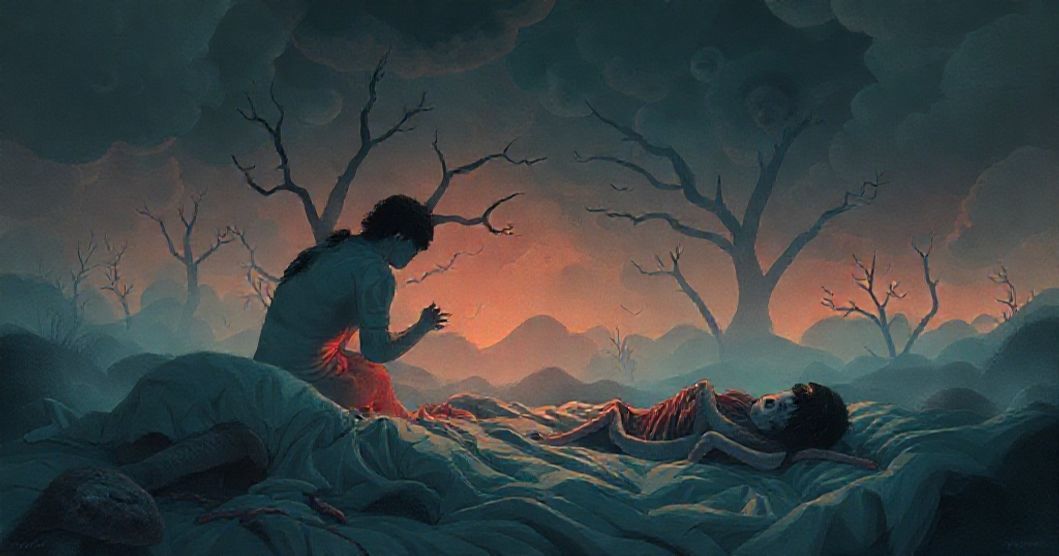
Dreams often serve as windows into our unconscious psyche, revealing truths we cannot articulate while awake. This particular recurring nightmare, which has persisted for three years, presents a disturbing yet deeply meaningful narrative. The dream unfolds in a familiar domestic setting—the childhood home—where the dreamer experiences a sequence of increasingly surreal and violent events: confronting their sister with sudden, ritualistic violence, consuming her, and then repeating the act with other family members, concluding with the symbolic disposal of their remains in a bathtub. The visceral details—the metallic taste of blood, the ritualistic placement in water, the overwhelming nausea upon waking—create a dreamscape that blurs the line between waking reality and sleep, leaving the dreamer with profound emotional dissonance.
The rewritten dream narrative captures this tension: the dream begins in a nostalgic yet oppressive home environment, where the dreamer anticipates their sister’s arrival with a dread that curdles into primal action. The violence is not random but follows a disturbing pattern, suggesting a deeper psychological process at work. The bathtub, a space typically associated with cleansing and vulnerability, becomes a site of ritualistic disposal, further complicating the symbolic meaning.
Part 2: Clinical Analysis
Want a More Personalized Interpretation?
Get your own AI-powered dream analysis tailored specifically to your dream
🔮Try Dream Analysis FreeSymbolic Landscape: Unpacking Cannibalism and Family Dynamics
The recurring dream’s most striking element is its cannibalistic imagery, which carries multiple layers of symbolic meaning. In Jungian psychology, cannibalism often represents the consumption of the 'shadow self'—parts of ourselves we reject or fear. Here, the dreamer’s family members become vessels for this internal conflict: the sister, as a specific family figure, may symbolize unresolved relationship dynamics or a part of the self that feels 'consumed' by external pressures. The bathtub, traditionally a space of purification, transforms into a site of ritualistic disposal, suggesting a desire to 'contain' or 'cleanse' something that feels threatening or polluting.
The repetition of the dream pattern—kill, consume, dispose—indicates a compulsion to process something that cannot be resolved in waking life. In Freudian terms, such violent imagery may represent repressed anger, rage, or forbidden desires that the unconscious mind dramatizes to gain attention. The home setting, though familiar, feels charged with tension, suggesting that the dreamer’s sense of safety and belonging is deeply conflicted. The visceral nature of the dream—the taste of blood, the physical act of consumption—amplifies the emotional intensity, indicating that these are not abstract fears but deeply felt, embodied experiences.
Psychological Currents: Jung, Freud, and the Unconscious
From a Jungian perspective, this dream may represent the 'shadow' archetype—the darker, repressed aspects of the psyche that demand integration. The family members could embody different aspects of the dreamer’s personality: the sister might represent the feminine or creative self, while parents could symbolize authority or societal expectations. The act of consuming them might signify an attempt to 'digest' these aspects, either to incorporate them or destroy them out of fear.
Freud would likely interpret the dream as a manifestation of repressed sexual or aggressive impulses. The incestuous undertones (cannibalism involving family members) often appear in dreams as a way to express forbidden desires that cannot be acknowledged consciously. The ritualistic nature of the violence—the sequence of kill, consume, dispose—suggests a compulsion to repeat a pattern that feels both destructive and necessary, indicating a deeper psychological conflict.
Cognitive dream theory offers another lens, suggesting the dream processes emotional stressors. The dreamer’s waking life may involve high-pressure situations where they feel 'consumed' by responsibilities or relationships, leading the unconscious to dramatize this anxiety through literal, visceral imagery. The repetition of the dream pattern indicates an unprocessed emotional issue that requires attention.
Emotional and Life Context: Unraveling the Trigger
Recurring dreams often emerge during periods of significant emotional stress or transition. The dreamer’s three-year pattern suggests that whatever triggered this nightmare has persisted or intensified over time. Possible triggers include:
Family relationship tensions: Unresolved conflicts with siblings or parents may manifest symbolically as violence.
Identity conflicts: Feeling 'consumed' by family expectations or losing one’s sense of self in relationships.
Existential anxiety: The dream could reflect fears of losing control, identity, or connection in life.
Trauma or repressed memories: Past experiences of violence or betrayal may resurface in symbolic form.
The visceral nature of the dream suggests that these emotions are not intellectual but felt in the body—anxiety, rage, or grief that cannot be expressed directly in waking life. The dream becomes a safety valve for these repressed feelings, allowing the unconscious to process them through symbolic violence.
Therapeutic Insights: Processing the Dream’s Message
For someone experiencing such recurring nightmares, several therapeutic approaches can help integrate these insights:
1. Journaling: Document the dream in detail, noting emotions, physical sensations, and waking associations. This helps identify patterns and triggers. 2. Dream reprocessing: Rewrite the dream with a different outcome, imagining a resolution that honors the emotional truth without acting out violence. This can help reframe the dream’s message. 3. Emotional release: The dream’s violence may represent unexpressed anger or grief. Safe outlets like journaling, art, or therapy can help process these emotions. 4. Symbolic work: Explore the bathtub as a site of purification. Visualize the water as a cleansing force, symbolizing the release of repressed emotions. 5. Family communication: If family relationships are strained, open dialogue may help resolve conflicts that fuel the dream’s imagery.
These practices can help transform the nightmare from a source of fear into a tool for self-understanding, allowing the dreamer to reclaim agency over their emotional life.
FAQ Section
Q: Why do I feel like I'm losing my mind when I wake from this dream?
A: The confusion between dream and reality is common in vivid nightmares. Your mind struggles to separate the visceral experience from waking life, triggering anxiety. This usually eases with journaling and processing emotions.
Q: Could this dream mean I have violent tendencies?
A: No. Dreams reflect emotions, not literal actions. The violence symbolizes internal conflicts, not a reflection of your true nature. The recurring pattern suggests you need to address underlying tensions.
Q: How do I stop this dream from recurring?
A: Consistent dream work—journaling, visualization, and emotional release—can reduce recurrence. If the dream persists despite these efforts, consider speaking with a therapist to explore deeper emotional patterns.