
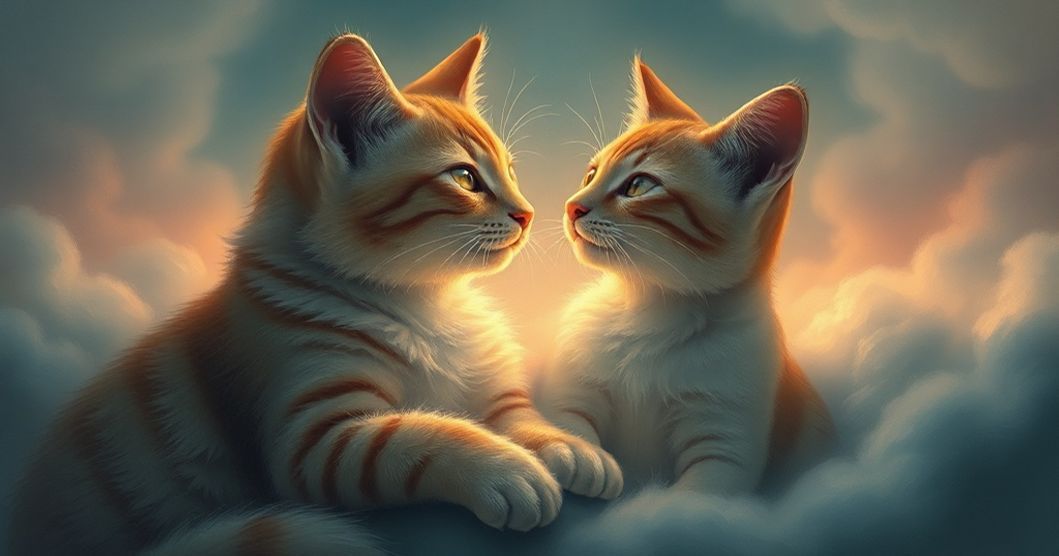
Part 1: Dream Presentation
Dreams often serve as portals to our unconscious, where repressed emotions and unresolved experiences manifest in symbolic form. Consider this recurring dream experience: the dreamer finds themselves in a familiar bedroom setting, where a small, golden-furred kitten curls contentedly on the bed. The kitten’s presence is comforting, its purr a soothing rhythm against the dreamer’s fingertips. Then, in a surreal yet seamless transition, the kitten begins to shift—its form elongates, its fur recedes, and what emerges is a tiny human baby, still retaining the same warmth and vulnerability of the kitten. The dreamer experiences an unexpected surge of maternal instinct, cradling the baby with a fierce protective tenderness. Yet beneath this tenderness lies an undercurrent of profound unease, as if the transformation itself carries an emotional weight too heavy to bear. Upon waking, the dreamer is left with a hollow, aching sadness—a sensation that lingers long after the initial shock of awakening, as if a piece of themselves has been irrevocably lost. This dream has occurred regularly, and its emotional resonance deepens when considering the dreamer’s recent exposure to Into the Labyrinth, where a character’s medication-induced confusion between baby and cat mirrors the dream’s central transformation. The dreamer also notes never feeling maternal toward real children, despite the intense protective feelings in the dream, and hints at a connection to a beloved kitten who died five years prior, treated as a child substitute.
Part 2: Clinical Analysis
Symbolic Landscape: The Transforming Feline
Want a More Personalized Interpretation?
Get your own AI-powered dream analysis tailored specifically to your dream
🔮Try Dream Analysis FreeThe cat-baby transformation at the heart of this dream is a powerful symbolic image, rich with psychological meaning. In dreamwork, the cat often represents the unconscious’ more primal, instinctual aspects—the shadow self, with its hidden desires and fears. The cat’s dual nature (domesticated companion and wild creature) reflects the dreamer’s internal duality: the conscious self and the unconscious, which often yearn for integration. The baby, conversely, symbolizes new beginnings, vulnerability, and the potential for growth. Together, their transformation suggests a merging of these dualities—a reconciliation between the instinctual and the nurturant, the wild and the domestic. The kitten’s death five years ago introduces a layer of grief and loss, suggesting the unconscious is revisiting this loss through a new symbolic lens. The cat-baby hybrid thus becomes a composite of the past and present, a way for the dreamer to reconnect with a version of themselves that existed before the kitten’s death.
The maternal instinct experienced in the dream is particularly significant. In Jungian psychology, the mother archetype represents the nurturing, protective aspects of the unconscious, often emerging when we need to heal or protect vulnerable parts of ourselves. The dreamer’s ambivalence toward children in waking life (not wanting kids, not feeling maternal toward them) contrasts sharply with the dream’s intense maternal feelings, suggesting the dream is not about literal motherhood but about the need to nurture a part of oneself that feels neglected or lost. The transformation itself—from cat to baby—may symbolize the dreamer’s internal journey toward integrating more vulnerable, tender aspects of their personality that have been suppressed or forgotten.
Psychological Undercurrents: Grief, Memory, and Archetypal Integration
Freud’s theory of repressed memories offers one framework for understanding this dream. The dreamer’s description of the kitten as a “baby” and the subsequent transformation into a human infant could represent the unconscious’ attempt to process unresolved grief over the kitten’s death. The five-year timeline suggests the grief has not been fully integrated into the conscious mind, manifesting instead as symbolic imagery. The film/book reference to a character’s medication-induced confusion between baby and cat introduces an external trigger, possibly priming the unconscious to revisit this theme through the dream’s narrative.
Jungian analysis adds another layer: the collective unconscious contains archetypes that influence individual dreams. The “cat-baby” hybrid might reflect the animus/animus archetype, which represents the masculine/feminine aspects of the psyche. Alternatively, it could symbolize the shadow self—those parts of the self we fear or reject, yet cannot fully ignore. The dream’s emotional impact (sadness, emptiness) suggests the shadow is attempting to be acknowledged, even if the conscious mind resists.
Neurologically, dreams are thought to process emotional memories, consolidating emotional experiences into long-term memory. The recurring nature of this dream suggests the brain is repeatedly trying to process the grief associated with the kitten’s death, using the symbolic transformation as a narrative device to make sense of complex emotions. The baby’s appearance—an adult newborn, not a toddler—emphasizes the dream’s focus on the initial, most vulnerable stages of life, mirroring the kitten’s own early days in the dreamer’s care.
Emotional Landscape: Unresolved Grief and Nurturing Needs
The emotional context of this dream is deeply personal and rooted in loss. The dreamer’s description of the kitten as “treated like my baby” suggests the kitten fulfilled a nurturing role that the dreamer’s conscious self may not have recognized in waking life. The five-year timeline of the kitten’s death is significant: grief often follows a complex trajectory, with “normal” mourning giving way to more subtle, unconscious processing. The dream’s imagery—cat to baby transformation—may represent the dreamer’s internal need to reclaim the nurturing role they fulfilled with the kitten, even in the absence of that physical presence.
The contrast between the dream’s maternal feelings and the dreamer’s waking stance toward children is crucial. Not wanting children and feeling no maternal attachment to real babies suggests the dream is not about literal reproduction but about emotional needs that remain unmet. The “adult newborn” in the dream may symbolize the dreamer’s own inner child—a vulnerable part of the self that needs care and attention. The dream’s “empty” feeling upon waking could represent the dreamer’s unconscious acknowledgment that this inner child has not been properly nurtured, leading to a sense of loss.
The connection to Into the Labyrinth’s cat-baby confusion adds an interesting layer of external influence. The film’s depiction of a character’s medication-induced memory distortion may have activated the dreamer’s own repressed memories of the kitten, merging them with current feelings about maternal roles. This external trigger suggests the dream is not isolated but part of a broader process of emotional integration.
Therapeutic Insights: Nurturing the Unconscious Self
The recurring nature of this dream suggests the unconscious is attempting to communicate something vital: the need to acknowledge and integrate unresolved grief over the kitten. The dream’s message is not about literal motherhood but about the dreamer’s capacity for nurturing, even in the absence of traditional parental roles. Therapeutically, this dream invites reflection on the dreamer’s relationship with vulnerability and care—both for others and for themselves.
Practical reflection exercises could include journaling about the kitten’s death, exploring the specific feelings the dream evokes, and identifying any unmet nurturing needs in waking life. The dreamer might benefit from creating a symbolic space for the kitten, such as a small memorial or a ritual acknowledging the loss. This process of intentional grieving can help the unconscious process the emotions more fully, reducing the intensity of recurring dreams.
For long-term integration, the dreamer might explore the “mother” archetype within themselves—even if they don’t want biological children, there may be other ways to express nurturing energy. This could involve caring for animals, volunteering, or engaging in creative projects that allow for the expression of protective, nurturing feelings. By consciously integrating these aspects of the self, the dreamer can reduce the need for the unconscious to create such surreal imagery to communicate emotional needs.
FAQ Section
Q: Why does the cat transform into a baby in the dream?
A: The transformation symbolizes the merging of two archetypal energies: the cat (representing instinctual, nurturing aspects) and the baby (representing vulnerability, new beginnings). It suggests the unconscious is integrating these dual aspects of self—your nurturing instincts and the need to protect vulnerable parts of yourself.
Q: Why do I feel maternal toward the baby in the dream but not toward real children?
A: This contrast reflects the difference between unconscious and conscious feelings. The dream taps into the deeper, instinctual nurturing you experienced with your kitten, while your waking stance toward children reflects conscious choices and values about family planning.
Q: How can I resolve the sadness and emptiness after these dreams?
A: Consider creating a symbolic memorial for your kitten, journaling about your feelings, and exploring creative outlets for nurturing energy. These steps help the unconscious process grief and integrate the nurturing aspects of your personality into waking life, reducing the need for recurring dreams to communicate these needs.