
Part 1: Dream Presentation
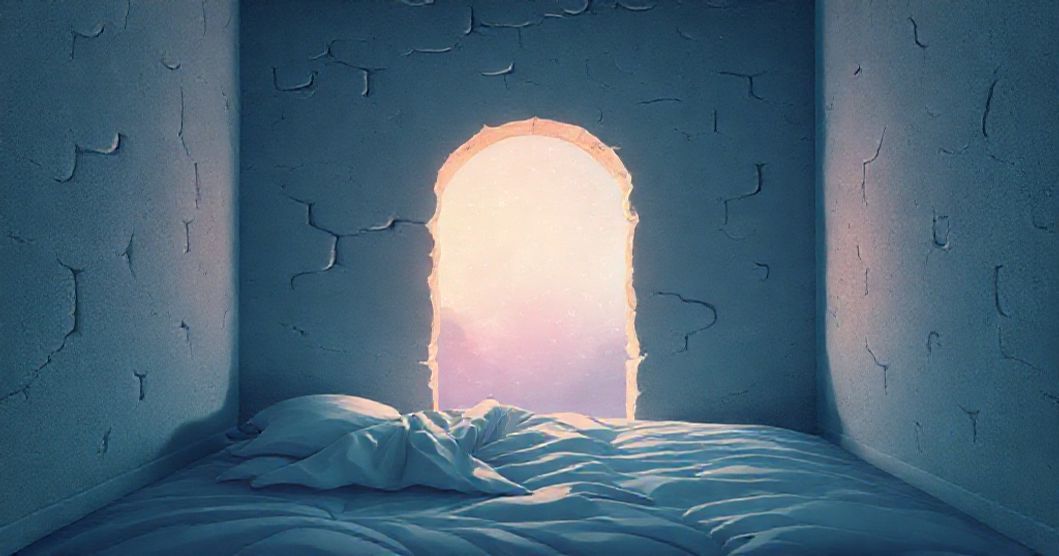
Sleeping with one’s back to the wall introduces a powerful symbolic dimension to dream experiences. In dreams, walls often represent boundaries, protection, or psychological barriers—both literal and metaphorical. When facing the wall, the dreamer creates a physical and symbolic "barrier" between themselves and the external world during sleep, which may unconsciously trigger the emergence of more internal, perhaps less socially acceptable, dream content. This positioning might signal a desire for protection or privacy during sleep, yet paradoxically, it may also open the floodgates to more intense, less regulated dream activity. The inability to recall these dreams despite their perceived "abnormality" suggests that the mind is either resisting integration of these experiences or that the dreams are occurring in a different sleep stage where recall is naturally diminished.
As I settle into my bed each night, I’ve noticed a curious pattern emerging: when I position myself facing the wall, my dreams take on a distinctly different quality. Unlike the more coherent, sometimes mundane dreams that occur when I sleep on my back or side, these wall-facing nights yield dreams that feel… alien. I try to grasp the details, but my mind draws a blank upon waking, as if the very essence of those dreams has slipped through my memory like sand through fingers. What I do retain is a visceral sense of unease—a knowing that these dreams were not normal. They lacked the logical continuity of daytime thoughts and felt charged with an unfamiliar, almost unsettling energy. It’s not that I recall specific images or characters, but rather a vague, lingering sense that something was off—distorted, perhaps, or populated by surreal elements that defied my waking understanding. This pattern repeats nearly every time I choose to sleep facing the wall, and I’ve begun to wonder if there’s a deeper reason behind this connection. Is there something about this particular orientation that stirs different parts of the unconscious mind? I’ve never experienced such vividly strange dreams when sleeping in other positions, and the inability to recall these dreams, despite their perceived "abnormality," leaves me both curious and slightly unsettled. Has anyone else noticed a correlation between sleep position and the nature of their dreams? I’d love to hear your experiences.
Part 2: Clinical Analysis
Want a More Personalized Interpretation?
Get your own AI-powered dream analysis tailored specifically to your dream
🔮Try Dream Analysis FreeSymbolic Landscape of the Wall Position
The act of sleeping with one’s back to the wall introduces a powerful symbolic dimension to dream experiences. In dreams, walls often represent boundaries, protection, or psychological barriers—both literal and metaphorical. When facing the wall, the dreamer creates a physical and symbolic "barrier" between themselves and the external world during sleep, which may unconsciously trigger the emergence of more internal, perhaps less socially acceptable, dream content. This positioning might signal a desire for protection or privacy during sleep, yet paradoxically, it may also open the floodgates to more intense, less regulated dream activity. The inability to recall these dreams despite their perceived "abnormality" suggests that the mind is either resisting integration of these experiences or that the dreams are occurring in a different sleep stage where recall is naturally diminished.
Psychological Currents: Sleep Position and Dream Architecture
From a psychological perspective, sleep position and dream content offer a fascinating intersection of physical posture and mental activity. According to Freudian theory, dreams represent the expression of repressed desires and unconscious conflicts, often emerging when the ego’s defenses are temporarily lowered during sleep. Sleeping in a wall-facing position might alter the brain’s electrical activity patterns, particularly during rapid eye movement (REM) sleep, when most dreaming occurs. REM sleep is characterized by increased brain activity and emotional intensity, which could explain the "weirdness" of these dreams. Jungian psychology, meanwhile, views dreams as expressions of the collective unconscious, and the wall might symbolize the boundary between the conscious and unconscious mind. When this boundary is reinforced by physical positioning, it could lead to more intense interactions with archetypal imagery that feels "alien" yet deeply personal.
Emotional and Life Context
To understand this phenomenon, we must consider the emotional and life context surrounding the dreamer’s experiences. The feeling that these dreams were "not normal" suggests an implicit comparison to "normal" dreams, which often follow logical narratives and align with waking reality. This comparison might indicate underlying anxiety about one’s mental state or a sense that something is "off" in waking life—perhaps unprocessed emotions, unmet needs, or suppressed creativity. The consistent occurrence of these dreams when facing the wall suggests a reliable pattern rather than randomness, implying that the physical position is acting as a trigger for specific psychological processes. The dreamer’s question to the community reflects a desire for validation and understanding, indicating that this experience holds personal significance beyond mere curiosity.
Therapeutic Insights
For the dreamer, this experience offers an opportunity for self-reflection and exploration. Keeping a dream journal—even with partial recall—can help identify patterns between sleep position, emotions, and dream themes. Experimenting with different sleep positions might reveal how posture affects dream quality, and maintaining a consistent sleep environment could enhance dream recall. Practicing mindfulness before sleep, such as gentle breathing or visualization, might help bridge the gap between the physical position and the psychological state, allowing for better integration of dream experiences. If these "weird dreams" persist, journaling and discussing them with a therapist could provide deeper insights into unconscious processes and emotional states that need attention.
FAQ Section
Q: Why do I feel my dreams are "weird" when facing the wall but not otherwise?
A: Physical posture during sleep affects brain activity patterns, particularly in REM sleep. Facing the wall may increase emotional intensity and access to unconscious material, creating dreams that feel more intense or "alien."
Q: Can I train myself to recall these dreams better?
A: Yes. Keeping a dream journal immediately upon waking, even with fragmented memories, can improve recall. Maintaining consistent sleep hygiene and avoiding stimulants before bed also supports better dream retention.
Q: Is this a sign of psychological issues?
A: Generally not. Dreams are inherently subjective, and unusual dreams can reflect emotional processing or creative energy. Persistent distress would warrant further exploration, but this pattern alone suggests a natural variation in dream experiences.