
Part 1: Dream Presentation
Dreams often serve as windows into our unconscious landscapes, and this recurring dream offers a hauntingly familiar yet deeply unsettling narrative. I find myself seated at an old computer in the very living room of my childhood home, its layout and details identical to how I remember it from years ago. The air carries the faint scent of dust and the sweet aroma of my mother’s jasmine perfume, lingering in the corners where sunlight filters through the curtains. As I sit at the desk, my fingers hover over the keyboard, yet I feel no urgency to type—only a strange, anticipatory stillness.
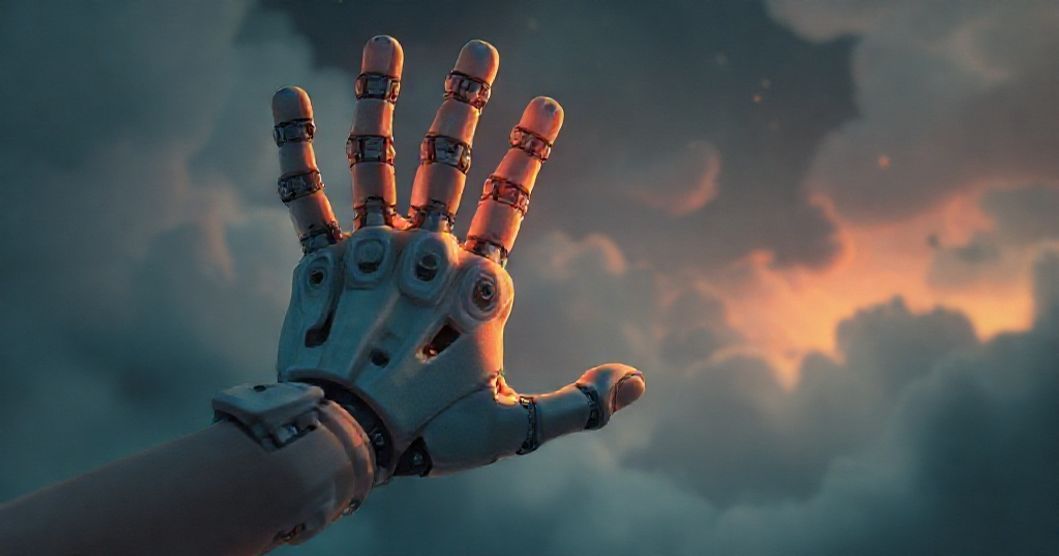
Every ten seconds or so, my peripheral vision detects movement from the corner of my eye. There, on the wall to my left, a pale hand materializes. It moves with the mechanical precision of an animatronic figure, either frozen in a gesture like it’s waiting for a high-five or waving slowly, almost as if controlled by invisible strings. Sometimes it appears as a single wrist and forearm, other times as a gloved hand reminiscent of a Mickey Mouse or Sonic the Hedgehog costume, its edges slightly blurred at the fingertips. I never see the full arm or the person behind it, only this partial, unsettling presence.
This scene has repeated itself in nearly two dozen dreams over the past two years, each iteration echoing the same eerie pattern. In most, the hand emerges from the wall with deliberate slowness, and when I turn to face it directly or approach it, it vanishes, leaving only the faint impression of its presence. But the most recent dream, which occurred a few months ago, felt exponentially more terrifying. In this version, the hand didn’t just appear—it emerged from a narrow, seemingly endless tunnel that extended deep into the wall. The wrist stretched the entire length of this tunnel, its fingers splayed in a way that defied anatomical logic, yet felt viscerally real. When I finally managed to see it clearly, the nausea overwhelmed me, a physical revulsion that mirrored the emotional dread I felt. It was as if the hand itself was a manifestation of something I’d been avoiding, something lurking just beneath my awareness.
Want a More Personalized Interpretation?
Get your own AI-powered dream analysis tailored specifically to your dream
🔮Try Dream Analysis FreeI woke up trembling, the dream’s terror still clinging to me like a cold hand on my shoulder. The childhood room, once a place of safety and comfort, now felt alien and threatening, its familiar details warping into symbols of unease. The computer screen glowed with a faint blue light, reflecting off the hand’s pale surface as it seemed to pulse with an otherworldly energy. I’ve since gone weeks without this dream recurring, but the memory of that final, terrifying glimpse remains vivid, a puzzle I can’t quite solve.
The hand’s presence, so fleeting yet so persistent, has become a recurring motif in my sleep, a silent messenger from some deeper part of my psyche that I’ve yet to fully understand.## Part 2: Clinical Analysis
Symbolic Landscape: The Hand as Unconscious Messenger
The recurring hand in this dream functions as a powerful symbolic figure, bridging the gap between the dreamer’s childhood memories and present-day psychological concerns. The hand’s partial, fragmented appearance—sometimes a wrist, sometimes a gloved figure—reflects the nature of repressed or unresolved emotions: visible only in glimpses, yet deeply felt. In dreams, hands often symbolize agency, connection, and the ability to grasp or hold onto something tangible. Here, the hand’s mechanical, animatronic quality introduces an uncanny valley effect—familiar yet profoundly unnatural, suggesting a sense of being manipulated or controlled from within.
The childhood living room, a space of comfort and safety in waking life, transforms into a liminal space in dreams, blurring the boundaries between past and present. This setting evokes the Jungian concept of the personal unconscious, where repressed memories and emotions reside. The computer, an object of both nostalgia and modernity, represents the bridge between past and present, technology and human connection. The hand’s emergence from the wall—an inanimate surface—suggests the intrusion of the unconscious into waking awareness, a theme echoed in the tunnel imagery.
The tunnel itself, narrow yet seemingly endless, symbolizes the psychological depth from which the hand emerges. In dreamwork, tunnels often represent the journey into the unconscious mind, with their darkness and confined space mirroring the vulnerability of exploring repressed emotions. The hand’s ability to stretch through this tunnel defies physical laws, emphasizing its symbolic nature rather than literal meaning—it represents a force that is both expansive and inescapable, much like unresolved emotional patterns.
Psychological Currents: Jungian and Freudian Perspectives
From a Jungian perspective, the hand could embody the shadow—the repressed, unconscious aspects of the self that we project onto external figures. The hand’s uncanny, almost robotic quality suggests a part of the self that feels foreign or disconnected, yet familiar. In the dream, the hand appears and disappears unpredictably, reflecting the shadow’s tendency to emerge unbidden into awareness before retreating again. The gloved appearance (reminiscent of Mickey Mouse or Sonic) adds another layer: the hand as a mascot, a performance of childhood innocence that masks deeper anxieties.
Freudian theory might interpret the hand as a manifestation of repressed sexual or aggressive urges, though the dream’s emphasis on nausea and fear suggests a more primal, existential anxiety rather than specific sexual content. The repetition of the dream over two years indicates a fixation on unresolved childhood conflicts—perhaps issues of control, safety, or identity that persistently resurface in sleep.
Cognitive psychology offers another lens: dreams as information processing mechanisms, where the hand could represent a recurring stressor or emotional trigger. The dream’s persistence might indicate that the mind is trying to resolve a particular issue by reprocessing it repeatedly in sleep, much like how we ruminate on problems in waking life.
Emotional & Life Context: The Weight of Childhood Memories
The recurring nature of this dream over two years suggests it is tied to a significant emotional pattern or unresolved issue in the dreamer’s life. The childhood living room, once a haven, becomes a site of unease, reflecting how our relationship to familiar spaces evolves with time. The hand’s appearance in the peripheral vision—always just out of direct sight—mirrors the way we often sense rather than consciously acknowledge emotional triggers in waking life.
The physical sensations of nausea and fear during the dream are crucial emotional clues. Nausea often signals emotional revulsion or the body’s reaction to psychological discomfort, while fear indicates a threat to safety or control. The hand’s inability to be fully seen or understood reinforces the dreamer’s struggle with uncertainty—perhaps in a current life situation where clarity feels elusive.
The dream’s timing—occurring during a period of personal transition or stress—could explain its intensity. The computer, a symbol of productivity and connection, might represent the dreamer’s attempt to control or process information, while the hand’s emergence disrupts this control, suggesting that the unconscious is demanding attention to issues being avoided in waking life.
Therapeutic Insights: Integrating the Unconscious Message
The recurring hand dream offers an opportunity for self-reflection and emotional integration. Journaling exercises focusing on the hand’s appearance in each dream can help identify patterns in waking life—perhaps moments when the dreamer feels “out of control” or “unseen.” Creating a safe space to explore these feelings without judgment can begin to resolve the tension between the familiar and the unfamiliar.
Dream work exercises, such as asking the hand in dreams what it represents, can foster dialogue with the unconscious. In waking life, practicing mindfulness to notice when “hands” (metaphorical or literal) appear in daily life—whether in relationships, work, or self-talk—can help recognize and address these triggers.
The tunnel imagery suggests a journey into emotional depth. The dreamer might benefit from exploring childhood memories with curiosity rather than fear, using guided visualization to revisit the living room and interact with the hand symbolically. This process of recontextualizing the hand as a guide rather than a threat can transform the dream’s terror into a source of self-knowledge.
FAQ Section
Q: What does it mean when a hand appears in my dreams?
A: Hands in dreams often symbolize agency, connection, or emotional needs. This hand’s uncanny, partial nature suggests unresolved emotions or a fragmented sense of self, emerging from the unconscious.
Q: Why do I keep having this specific dream about a hand in my childhood home?
A: Recurring dreams often reflect unresolved childhood issues or current anxieties. The childhood setting and hand’s appearance suggest a connection to safety, control, or identity struggles that persistently resurface.
Q: How can I interpret the tunnel imagery in my dream?
A: Tunnels symbolize psychological depth and the journey into the unconscious. The hand stretching through the tunnel suggests an expansive, inescapable emotional pattern that demands exploration, not avoidance.