
Part 1: Dream Presentation
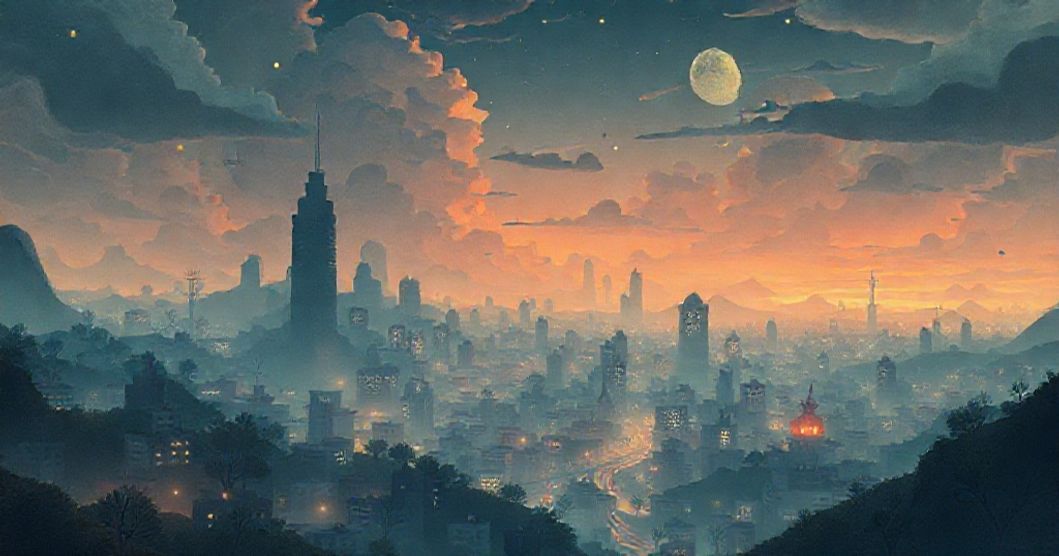
Dreams often serve as windows into the unconscious, revealing patterns and emotions that may remain hidden in waking life. For this dreamer, a recurring cityscape has emerged as a consistent backdrop over the past several months, creating a narrative framework that invites exploration. The dream begins with a vast, seemingly endless urban environment that feels both familiar and alien—a hallmark of recurring dreams, which often reflect core aspects of the psyche in need of attention.
The central feature of this dream world is a colossal mall, dominating the city’s skyline with its imposing architecture and sprawling layout. The mall functions as both a gathering place and a threshold between safety and danger, its glass-and-steel facade glinting in the dreamer’s subconscious. Within this architectural symbol, the dreamer experiences intense emotional conflict: fascination with the mall’s promise of exploration collides with overwhelming fear when encountering monstrous figures. The chase sequences reveal a primal struggle, with the dreamer fleeing from these creatures through the mall’s corridors—a space that should feel public and safe, yet transforms into a site of terror.
The recurring nature of the city and mall suggests a psychological preoccupation with these symbols, while the monsters represent an internal conflict or external pressure that the dreamer is struggling to process. The four-month duration of this recurring pattern indicates that these themes are deeply rooted and require attention.
Want a More Personalized Interpretation?
Get your own AI-powered dream analysis tailored specifically to your dream
🔮Try Dream Analysis FreePart 2: Clinical Analysis
Symbolic Landscape: The City, Mall, and Monstrous Pursuit
The recurring city in the dream serves as a powerful symbol of the dreamer’s internal landscape—consistent yet ever-evolving, reflecting core aspects of identity and emotional state. In dreamwork, recurring cities often represent the “city of the self,” where different neighborhoods and structures correspond to various life domains. The central mall, as a focal point, likely embodies themes of consumption, public space, and transition. Malls frequently symbolize overwhelming environments, social pressures, or areas of life where the dreamer feels exposed or uncertain.
The monsters represent a more complex symbolic layer. In dream imagery, monstrous figures typically manifest as manifestations of fear, anxiety, or repressed emotions. Their form—reptilian yet humanoid—suggests a fusion of primal instincts and social anxieties. The act of being chased reflects a feeling of being pursued by these internal or external pressures, with the mall’s public nature contrasting sharply with the dreamer’s sense of vulnerability.
The mall’s dual role—both a place of potential and danger—highlights the dreamer’s ambivalence toward certain life areas. The dreamer may feel drawn to these spaces (the mall’s allure) while simultaneously feeling hunted or overwhelmed by them (the chase). This tension suggests unresolved conflicts around social interaction, self-expression, or life transitions.
Psychological Perspectives: Layers of Interpretation
From a Jungian perspective, the recurring city and mall can be seen as part of the collective unconscious, reflecting universal archetypes. The mall might represent the “Great Mother” archetype—the nurturing yet overwhelming source of life’s resources—while the monsters embody shadow aspects of the psyche that need integration. Jung emphasized that dreams serve to balance the conscious and unconscious, suggesting the dreamer may be avoiding confronting these shadow elements.
Freudian theory offers another lens, viewing the dream as a symbolic expression of repressed desires or anxieties. The chase could represent the dreamer’s attempt to escape uncomfortable feelings or situations, with the mall symbolizing areas of life where the dreamer feels inadequate or exposed. The monsters might manifest as representations of repressed anger, guilt, or other forbidden emotions.
Cognitive psychology frames dreams as information-processing tools, where the brain integrates recent experiences and emotions. The recurring nature of the dream over four months suggests the dreamer is processing a significant period of emotional change or stress, with the mall symbolizing a central area of life that requires attention.
Neuroscience research indicates that dreams during REM sleep help consolidate emotional memories and process emotional experiences. The intense fear in this dream may reflect the brain’s attempt to work through a particularly emotionally charged event or pattern in waking life.
Emotional and Life Context: Unpacking the Dreamer’s Internal World
The four-month duration of the recurring dream suggests that the dreamer is processing a significant period of transition or emotional upheaval. The mall’s centrality in the dream may correspond to a specific area of life where the dreamer feels overwhelmed or uncertain—perhaps a new job, social environment, or relationship that has introduced feelings of exposure or pursuit.
The chase sequence’s intensity indicates that the dreamer is experiencing a sense of being “hunted” by something in waking life—perhaps self-doubt, social anxiety, or unmet expectations. The mall, as a public space, could represent areas of life where the dreamer feels judged or exposed, triggering feelings of vulnerability.
The dream’s consistency across different dream narratives suggests that the underlying emotional conflict remains unresolved. The dreamer may be avoiding confronting these issues, leading to their reoccurrence in increasingly intense forms. The monsters’ relentless pursuit mirrors the dreamer’s internal struggle to address these fears without becoming consumed by them.
Therapeutic Insights: Transforming the Dream’s Message
The recurring city and mall dream offers several therapeutic insights. First, the dreamer should explore the mall’s significance in their waking life—are there areas of life where they feel overwhelmed or exposed? Journaling about these spaces can help identify patterns.
The monsters represent an opportunity for self-compassion. Instead of fleeing from these symbols, the dreamer might try to understand their nature through creative expression—drawing, writing, or even role-playing with the monster imagery to reduce its power.
Mindfulness practices could help the dreamer differentiate between the dream’s emotional intensity and waking reality. By grounding themselves in present-moment awareness, they may reduce the feeling of being “pursued” by anxiety.
Exploring the mall as a place of both fear and potential: What if the mall represents a space of opportunity rather than danger? Visualization exercises where the dreamer transforms the mall into a place of safety could help reframe this symbol.
FAQ Section
Q: Why does the city remain consistent across different dreams?
A: The recurring city represents a stable element in the dreamer’s unconscious, likely reflecting core identity or unresolved issues that need attention rather than changing.
Q: What does the mall symbolize in this context?
A: The mall likely represents overwhelming environments, social pressures, or areas of life where the dreamer feels exposed or hunted, acting as a mirror for real-life anxieties.
Q: How can the dreamer work with the monster imagery?
A: The monsters may represent repressed emotions; journaling, creative expression, or mindfulness can help process these feelings rather than being consumed by them, transforming fear into understanding.