
Part 1: Dream Presentation
Dreams have a remarkable way of transporting us to realms we’ve never seen, populated by characters whose stories feel both familiar and alien. This particular dream, though rooted in a cyberpunk aesthetic, reveals deeper truths about identity, purpose, and the ambiguous nature of recognition—even in the most surreal of settings.
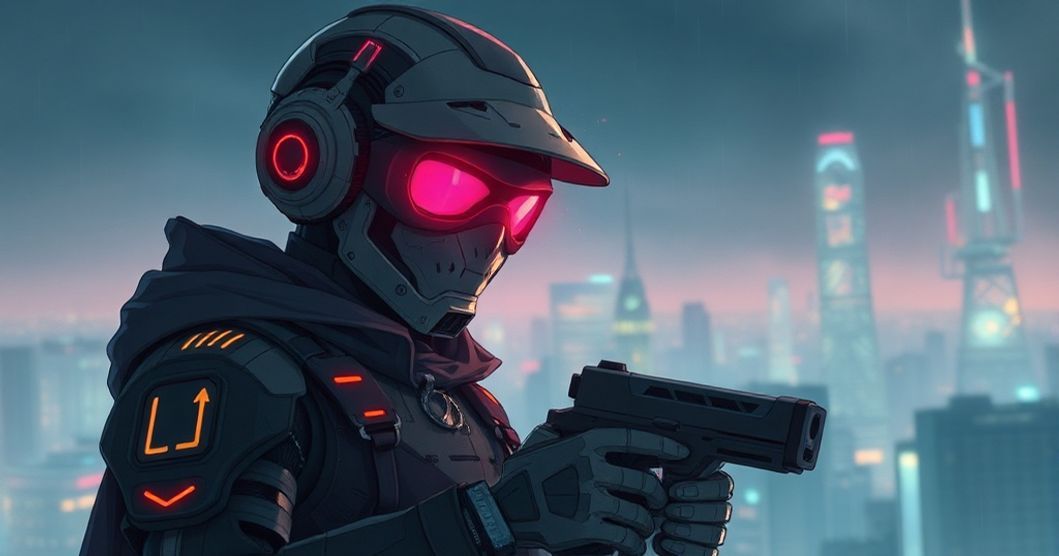
Lately, I’ve been having recurring dreams that feel strangely familiar yet utterly unknown—like glimpses into a world I’ve never seen but somehow recognize. The setting is distinctly cyberpunk: neon-lit streets glimmer with holographic advertisements, rain slickens the pavement, and the air hums with the low thrumming of technology. I find myself among a group of robbers, though I’ve never watched such an anime, the characters move with the fluid precision of digital avatars. We’re targeting a shadowy organization, a special force with insignias I can’t quite parse, their fortified stronghold pulsing with security systems. As we breach their defenses, one of the team members turns to me, their voice urgent yet oddly prophetic: ‘You know, you’re going to be famous one day.’ My response is flat, almost indifferent: ‘Yeah, famous—famous in that way.’ The words carry an unspoken weight, as if I’m referencing a specific kind of fame I’ve already rejected or perhaps never truly desired. Then the scene fractures: an elderly man, his hands trembling, is rummaging through a glass display case, his movements both desperate and clumsy. The alarm blares, a shrill, metallic shriek that cuts through the night, and we’re all running, hearts pounding, the dream dissolving into a rush of adrenaline and confusion. The strange part? I’ve never seen these characters or this world before, yet the emotions feel raw and real—dysphoria, a sense of displacement, and an underlying yearning for something I can’t name.
Part 2: Clinical Analysis
Want a More Personalized Interpretation?
Get your own AI-powered dream analysis tailored specifically to your dream
🔮Try Dream Analysis FreeSymbolic Landscape of the Dream
The cyberpunk aesthetic in this dream serves as a rich symbolic backdrop, representing our increasingly digital existence and the blurred boundaries between technology and humanity. The robbers embody a complex psychological archetype: on one hand, they represent rebellion against established systems, the urge to take what society deems valuable; on the other, they reflect a more primal impulse to survive or seize power in an uncertain world. The unrecognized anime framework suggests that these figures and settings are not literal but symbolic of the dreamer’s internal landscape—an area of the psyche they feel alienated from yet drawn to.
The phrase ‘famous type of famous’ carries particular weight. The dreamer’s dismissive tone (‘mmh yeah famous type of famous’) hints at a rejection of conventional definitions of fame—perhaps the dreamer feels pressured to conform to societal ideals of success, yet senses a disconnect between their authentic self and these expectations. The contrast between the confident, futuristic robbers and the elderly man introduces duality: while the young protagonists chase technological fame, the old man represents a different kind of ambition—more desperate, less defined by external validation.
The alarm system functions as a threshold between safety and exposure, its sudden activation symbolizing the consequences of stepping outside societal norms. The collective flight that follows suggests both fear of repercussions and a primal urge to survive, even in the face of chaos.
Psychological Undercurrents: Unpacking the Dreamer’s Inner World
From a Jungian perspective, this dream reflects the shadow self—the parts of ourselves we reject or fear. The cyberpunk setting may represent the dreamer’s anima/animus archetype, a masculine/feminine principle that seeks integration. The robbers could symbolize the shadow’s attempt to reclaim power, while the elderly man might represent the shadow of past selves—regrets, unfulfilled potential, or forgotten aspects of identity.
Freudian theory offers another lens, where dreams manifest repressed desires and conflicts. The robbery as a symbolic act of taking could reflect repressed anger or frustration at systems of control, while the unrecognized anime might signify unprocessed childhood experiences or unintegrated memories. The dysphoria mentioned in the dream hints at unresolved gender or identity issues, where the dreamer feels disconnected from their physical or social identity—a common theme in dreams that feature unfamiliar yet emotionally resonant settings.
Neuroscientific perspectives suggest dreams function as memory consolidation and emotional processing tools. The recurring nature of the dream indicates that certain themes (identity, purpose, rebellion) are unresolved in waking life, requiring repeated processing. The anime imagery, though unfamiliar, may stem from the dreamer’s exposure to media, where cyberpunk narratives often explore identity crises—a cultural reflection of modern anxieties.
Emotional Landscape and Waking Context
The dream’s emotional tone—dysphoria, confusion, and urgency—likely reflects waking life stressors related to identity and purpose. The dreamer mentions ‘cyber anime dysphoria’, suggesting a connection to digital identity or technological alienation. In contemporary life, many grapple with how technology shapes self-perception, especially in social media-dominated environments where ‘fame’ is often measured by online presence.
The unrecognized anime could symbolize the dreamer’s discomfort with modern media consumption and identity construction. Perhaps the dreamer feels pressured to conform to cultural narratives of success (fame, wealth) while simultaneously rejecting them—a common tension in late-stage capitalism, where youth culture often equates digital visibility with self-worth.
The abrupt shift from futuristic robbers to an elderly man highlights conflicting life stages or values. The old man’s desperate theft contrasts with the young protagonists’ confident ambition, suggesting the dreamer is navigating tensions between youthful idealism and the more pragmatic, perhaps regretful, perspective of age.
Therapeutic Insights: Navigating Ambiguous Dreams
This dream offers several avenues for self-discovery. First, the ‘famous type of famous’ phrase invites reflection on what constitutes meaningful success. Journaling exercises could help the dreamer explore their values: What does ‘fame’ actually mean to them? What would authentic recognition look like?
The recurring nature of the dream suggests unresolved identity conflicts. Dreamers often return to themes until they address the underlying issue. The anime setting, though unfamiliar, may signal a need to reconnect with creativity or imagination—perhaps the dreamer has neglected artistic or playful aspects of their identity.
Practical steps include exploring media consumption habits, particularly cyberpunk narratives, to identify if they reflect unconscious desires. The robbery as symbolic rebellion could be channeled into creative outlets or community involvement that aligns with personal values rather than societal expectations.
FAQ Section
Q: Why do the dreams feature anime characters the dreamer doesn’t recognize?
A: Unfamiliar anime characters often represent aspects of the self the dreamer hasn’t fully integrated—unconscious parts needing attention or integration.
Q: What does the ‘famous type of famous’ phrase signify?
A: It suggests rejection of conventional fame, possibly reflecting discomfort with external validation and a desire for authentic recognition.
Q: How might the elderly man symbolize in this dream?
A: The elderly robber represents repressed wisdom, forgotten potential, or the shadow of past selves—urging the dreamer to honor all life stages and experiences.
Keywords: cyber anime, dysphoria, robberies, famous identity, unrecognized anime, identity conflict, cyberpunk aesthetics, dream symbolism, alarm system, shadow self Entities: cyberpunk robbers, special force organization, famous individual, elderly robber, alarm system