
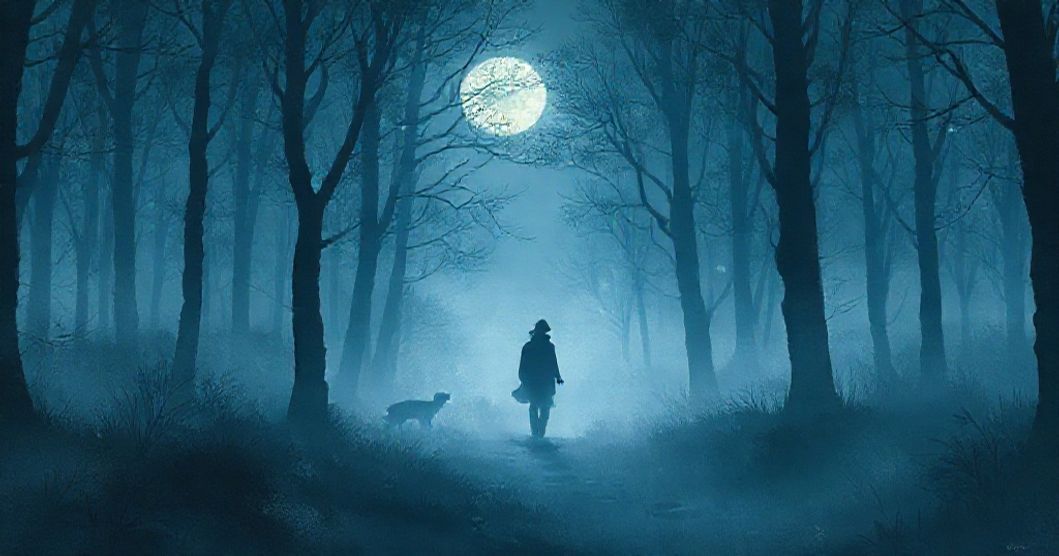
Core Symbols: Fox, Moonlight, and Flickering Movement
The fox in your dream carries ancient symbolism across cultures, from Native American trickster figures to Japanese kitsune spirits. In many traditions, it embodies adaptability—both the quick-thinking cunning of survival and the playful intelligence of problem-solving. When this fox flickers, it introduces a layer of transience: the symbol isn’t static, but fluid, shifting like moonlight on water. Moonlight itself is the archetypal light of the subconscious, a realm where the veil between conscious and unconscious thins. Unlike sunlight’s harsh clarity, moonlight filters through shadows, revealing details we might otherwise overlook. Your wandering isn’t aimless; it’s a dance with the unknown, as the fox leads or mirrors your path.
The flickering fox adds another dimension: it suggests your intuition is in flux. In physics, flickering light creates a strobing effect, much like how our brains process ambiguous information during sleep. The fox’s movement isn’t steady, which mirrors how real-life decisions often lack clear boundaries. This isn’t confusion—it’s the subconscious sorting through conflicting signals, testing which paths feel right even when the destination remains unclear. The moon’s glow, meanwhile, acts as a silent observer, highlighting the fox’s form without fully revealing it—a reminder that some truths are meant to be felt, not forced into concrete understanding.
Psychology Lens: Jungian Shadows and the Default Mode Network
Want a More Personalized Interpretation?
Get your own AI-powered dream analysis tailored specifically to your dream
🔮Try Dream Analysis FreeCarl Jung’s concept of the shadow archetype offers a key to the fox’s dual nature: it represents both the parts of yourself you embrace and those you’ve repressed. A flickering fox might signal that your shadow is emerging—not as a threat, but as a guide. In the collective unconscious, the fox isn’t inherently good or bad; it’s a shape-shifter, reflecting how you adapt to life’s unexpected turns. If you’ve recently faced moral dilemmas or identity shifts, this dream could be your psyche’s way of integrating conflicting values.
Neuroscience adds another layer: during REM sleep, the brain’s default mode network activates, creating the wandering, story-like quality of dreams. This network is responsible for self-referential thoughts, daydreaming, and processing emotions. The flickering fox isn’t random—it’s your brain’s attempt to make sense of recent experiences by weaving them into a symbolic narrative. Moonlight, in this context, represents the prefrontal cortex’s quieting, allowing the amygdala (emotional processing center) to take the lead without conscious control. This explains why the dream feels both familiar and strange: it’s your brain’s way of processing emotional data through the lens of ancient animal symbolism.
Life Triggers: Ambiguity and the Art of Uncertainty
This dream often surfaces during periods of transition, whether literal (moving cities, starting a new job) or metaphorical (redefining goals, healing old relationships). If you’ve felt pulled between two paths, or if recent decisions left you with lingering doubt, the fox’s flickering becomes a mirror of that internal tug-of-war. The moonlit setting amplifies this by suggesting you’re in a phase of illumination—your intuition is becoming clearer, but not yet fully formed.
Modern life exacerbates this tension: we’re bombarded with constant information, yet often lack the space to process it. The flickering fox might emerge if you’ve been overthinking, relying too much on external validation, or trying to control outcomes that resist control. In such moments, the subconscious rebels by sending a dream that’s both confusing and comforting—a reminder that uncertainty isn’t failure, but a necessary part of growth.
What To Do Next: Navigating the Flickering Path
Start with short-term reflection: Keep a dream journal noting the fox’s color, direction, and your emotions. Did it lead you somewhere specific, or did it circle? The details matter less than the feeling of movement—was it tense or curious? This reflection helps you map emerging intuitions.
Medium-term experimentation: Notice if you’ve been avoiding a decision that feels “flickery”—something where the right choice isn’t obvious. Try a small, low-stakes experiment to test your gut. For example, if you’re torn between two projects, pick one based on a fleeting feeling, not logic alone. The fox’s movement in dreams often mirrors how we should move in waking life: with curiosity, not certainty.
Long-term integration: Embrace the “flickering” as a creative space. In Japanese folklore, kitsune are messengers who teach patience and adaptability. Your dream is asking you to treat uncertainty as a canvas, not a problem to solve. Over time, this mindset transforms anxiety into anticipation—after all, the most profound insights often come from the spaces between knowing and not knowing.
FAQ
Q: What does a flickering fox in moonlight mean if I feel lost in waking life? A: A flickering fox suggests your intuition is actively searching for clarity, not that you’re lost. The moon’s glow is illuminating your inner compass, even if you can’t see it yet. Trust that the “wandering” is part of the process of finding direction.
Q: Is the fox a positive or negative symbol in this dream? A: Foxes in dreams rarely carry absolute good or bad meanings. The flickering adds nuance: it’s neither warning nor guiding, but reflecting your current emotional state. If you felt curiosity, it’s a positive sign; if fear, it may signal a need to confront repressed feelings.
Q: How can I tell if the dream is about a specific person or situation? A: The fox’s movement and the moon’s position are clues. If the fox leads you toward a familiar place, it may reference a relationship or memory. If it circles without destination, it’s more about your internal process than external events.