
Part 1: Dream Presentation
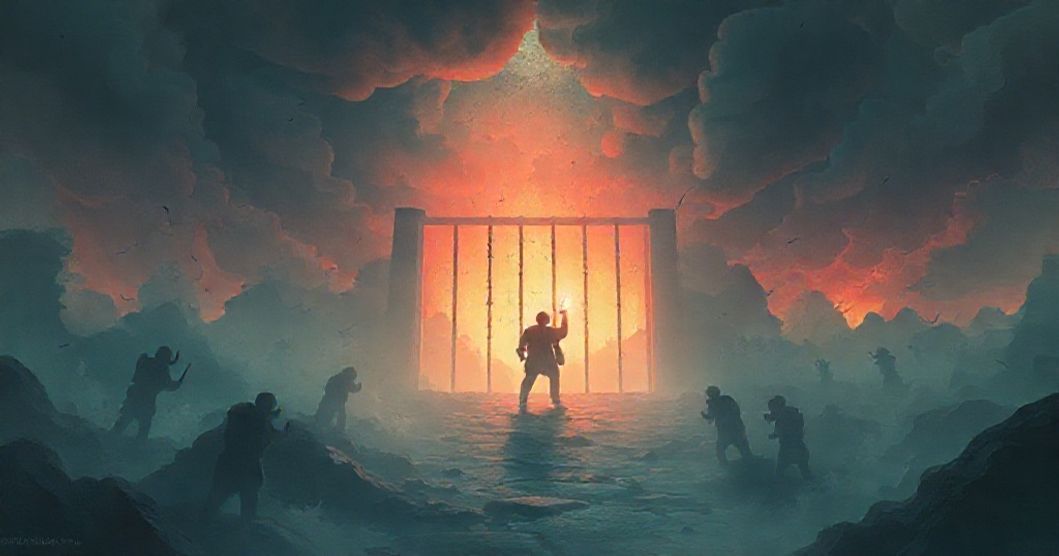
Dreams often serve as mirrors reflecting our unconscious tensions, and this particular dream offers a vivid portrait of internal conflict through the lens of power, entrapment, and transformation. In the dream, I found myself in a stark, shadowed room where my father loomed—his face twisted in a snarl, hands raised as if to strike. My first instinct was to flee, but as I ran toward what I hoped would be an exit, a massive, ancient prison wall materialized before me: cold, gray stone with iron bars that seemed to shift and multiply, blocking every path. I pressed my palms against the barrier, feeling its unyielding solidity, and the terror of being trapped flooded over me—a weight on my chest so heavy it threatened to stop my breath. I was utterly powerless, my legs rooted to the spot despite the urgency of my heart pounding like a drum. The more I struggled, the more the prison seemed to close in, its walls humming with some invisible force that drained my will to resist. Then, a strange shift occurred within me. The overwhelming fear softened into something raw and defiant. If I couldn’t escape, I decided, I would fight. My body moved on its own, fists clenched, and I turned toward my father, meeting his gaze with a feral intensity I didn’t recognize in myself. But just as I prepared to strike, the scene blurred, and suddenly I was facing my aunt—someone I knew in waking life as kind, gentle, and protective. I lashed out, my hands connecting with her shoulder, but the moment her face showed pain, clarity flooded my mind: this was not the same person I knew. She was good, and my anger had been misdirected. I stopped mid-swing, my breath ragged, as a wave of guilt washed over me. Almost instantly, the dream transformed again. A woman I’d never seen before appeared—tall, with sharp eyes and a posture that radiated authority. She moved with surprising speed, her fists connecting with mine in a flurry of blows. I fought back, but her strength was relentless, and with a final, crushing blow to my chest, she overpowered me completely. I woke with a gasp, heart still racing, the residue of that trapped, then defiant, then defeated feeling lingering in my bones.
Part 2: Clinical Analysis
The Symbolic Landscape of Power Dynamics
Want a More Personalized Interpretation?
Get your own AI-powered dream analysis tailored specifically to your dream
🔮Try Dream Analysis FreeThe prison barrier in this dream functions as a powerful symbol of psychological entrapment, representing situations or emotions that feel inescapable in waking life. The concrete walls and iron bars suggest both literal and metaphorical boundaries—perhaps unspoken rules, family expectations, or emotional constraints that the dreamer perceives as unyielding. The father’s aggressive posture embodies a figure of authority (or perceived authority) who triggers fear and resistance. His role as an attacker introduces themes of conflict with paternal figures, whether literal or symbolic of broader power struggles. The dreamer’s initial attempt to flee but inability to escape mirrors real-life experiences where attempts to distance oneself from difficult relationships or circumstances feel blocked by invisible forces.
The pivotal shift from running to fighting reflects a crucial internal transformation: from passive victimhood to active resistance. This transition suggests a deep-seated desire to reclaim agency, even when trapped. The dreamer’s decision to “fight back” is psychologically significant—it represents the emergence of a protective instinct, a refusal to accept powerlessness. However, the misdirection of anger toward the aunt introduces a layer of complexity: the aunt, a figure of kindness in waking life, becomes a target of the dreamer’s aggression, only to be recognized as benevolent. This moment of clarity indicates a subconscious awareness of misplaced anger—perhaps toward people who actually offer support, or toward situations that feel threatening but aren’t.
Psychological Perspectives: Jungian and Freudian Frames
From a Jungian perspective, the father figure represents the “shadow” or the collective unconscious’ representation of authority and masculinity. His aggressive nature may reflect the dreamer’s own repressed anger or fear of masculine power. The prison barrier, as a manifestation of the shadow, symbolizes aspects of the self that feel alien or overwhelming. The aunt, as a figure of light within the darkness, embodies the dreamer’s integration of the “anima” or feminine aspects of the self—compassion, nurturing, and emotional intelligence. The dreamer’s attack on her and subsequent recognition of her goodness suggests an internal struggle to reconcile conflicting aspects of self: the aggressive, protective self and the compassionate, understanding self.
Freudian theory might interpret the father’s aggression as a projection of repressed Oedipal tensions or unresolved childhood conflicts, while the prison as a symbol of forbidden desires or guilt. The aunt, as a positive figure, could represent the superego’s influence, guiding the dreamer toward moral clarity. The unknown woman, who overpowers the dreamer, may symbolize the unconscious’ ability to expose areas where the dreamer lacks self-confidence or where external forces (both real and imagined) exert control.
Emotional and Life Context: Unpacking the Layers
The dream likely emerges from waking experiences involving unresolved power struggles—perhaps with a dominant parent, a controlling relationship, or professional constraints that feel inescapable. The father’s attack could reflect real-life conflicts with authority, whether in familial, professional, or social contexts. The feeling of being trapped aligns with anxiety about situations that feel unchangeable, such as career stagnation, relationship difficulties, or emotional patterns that repeat despite attempts to break them.
The aunt’s unexpected appearance and the dreamer’s subsequent recognition of her benevolence suggest a subconscious awareness of misplaced anger toward someone who actually supports them. This could indicate a pattern of misdirecting frustration onto people who offer care, perhaps due to fear of vulnerability or difficulty accepting kindness. The unknown woman, who overwhelms the dreamer, may represent external pressures or internalized expectations that feel insurmountable—perhaps societal norms, gender roles, or self-imposed limitations.
Therapeutic Insights: Reclaiming Agency Through Self-Awareness
This dream offers valuable insights for emotional growth. The prison barrier invites reflection: what specific situations or relationships feel inescapable? The dreamer might benefit from examining boundaries—where they are being controlled or controlling others, and how to create healthier limits. The shift from fleeing to fighting highlights the importance of acknowledging anger as a signal rather than suppressing it. However, the misdirection of aggression toward the aunt (a symbol of support) suggests a need to discern between genuine threats and perceived ones.
Therapeutic reflection exercises could include journaling about relationships with authority figures, noting patterns of feeling trapped, and exploring where anger might be misdirected. The encounter with the unknown woman, who overwhelms the dreamer, invites exploration of external pressures that feel overpowering—are these real challenges or internalized expectations? Short-term integration might involve mindfulness practices to recognize moments of powerlessness and consciously choose response over reaction. Long-term growth could involve assertiveness training to address real-life power struggles while maintaining compassion for oneself and others.
FAQ Section
Q: What does it mean to feel trapped in a dream prison?
A: A prison in dreams often represents psychological barriers—unresolved emotions, relationship constraints, or self-imposed limitations that feel inescapable. This dream suggests a need to examine what blocks the dreamer’s ability to move forward.
Q: Why did the dreamer attack their aunt, then stop?
A: The aunt symbolizes kindness and support in waking life. Attacking her reflects misdirected anger—perhaps toward people who offer care but feel threatening, or toward situations where the dreamer’s defenses misfire. Stopping indicates a subconscious recognition of this misdirection.
Q: What does it signify to be overpowered by an unknown woman?
A: The unknown woman represents external or internal forces the dreamer struggles to control—unresolved expectations, societal pressures, or aspects of self that feel overwhelming. Her victory suggests a need to acknowledge these forces and develop strategies to navigate them rather than resist.