
Part 1: Dream Presentation
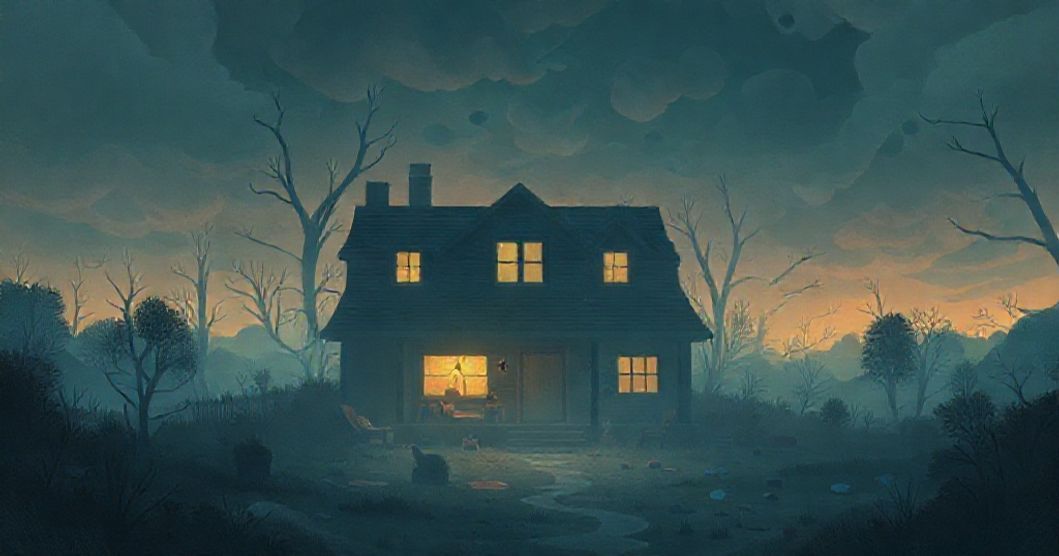
Dreams have a remarkable way of revisiting emotional landscapes long thought buried, and this recurring nightmare offers a poignant window into the dreamer’s unconscious relationship with loss, place, and unresolved connection. The narrative unfolds as a hauntingly consistent vision: the dreamer finds themselves trapped in a childhood home, where a foggy, sepia-toned atmosphere shrouds every corner, creating an inescapable sense of both nostalgia and dread. In each iteration, the dreamer attempts to save a father who died in adolescence, yet remains paralyzed by an inability to break free from the house’s grip. Childhood pets wander the misty halls, silent witnesses to this emotional tension, while a corded wall phone in the kitchen becomes a frustrating symbol of futile attempts to seek help. The dream’s recurring nature, paired with its unwavering focus on this specific setting and emotional state, suggests deep-seated themes that demand exploration.
The dreamer’s description of the house as “hauntingly familiar” and the absence of positive dreams about it reveal the place as more than a physical location—it functions as a psychological repository for unresolved grief and unprocessed emotions. The father’s repeated appearance as the trapped figure hints at complex feelings about his death, while the fog and sepia tones introduce layers of emotional distortion and memory impairment, common in dreams about the past.
Part 2: Clinical Analysis
Want a More Personalized Interpretation?
Get your own AI-powered dream analysis tailored specifically to your dream
🔮Try Dream Analysis FreeSymbolic Landscape: The Childhood Home as Emotional Archetype
The childhood home in this dream functions as a powerful symbolic container, embodying both safety and entrapment. In Jungian psychology, the house represents the self—an internal structure that both protects and confines. The foggy, sepia-toned atmosphere is particularly significant: fog obscures clarity and creates a dreamlike liminal space, while sepia tones evoke memory, nostalgia, and the emotional distance of time. This color palette transforms the home from a literal place into a metaphorical threshold between past and present, where the dreamer cannot escape the weight of memories.
The father, who died in adolescence, appears as a central symbolic figure. His repeated presence as the “trapped” individual suggests that the dreamer’s relationship with him remains unresolved. In Freudian terms, the father figure often represents authority, protection, and loss of control—all themes present here. The dreamer’s inability to “save” him may reflect guilt, regret, or a sense of powerlessness over his death or their relationship. The childhood pets add another layer of symbolism: animals often represent instinctual, uncomplicated connections, and their presence in the dream may signify the dreamer’s longing for the simplicity and loyalty of childhood relationships.
The corded wall phone in the kitchen is a particularly rich symbol. Corded phones evoke a pre-digital era, suggesting outdated methods of communication and connection—perhaps the dreamer’s attempts to “call for help” represent an inability to adapt to new ways of processing emotions. The phone’s malfunction (busy lines, static) mirrors the dreamer’s internal barriers to expressing grief or seeking resolution. This technological anachronism reinforces the dream’s theme of being stuck in the past, unable to move forward with emotional healing.
Psychological Perspectives: Unpacking Grief Through Dream Architecture
From a Jungian perspective, the recurring dream of the childhood home aligns with the concept of the “shadow” and the “anima/animus”—the unconscious aspects of the self that demand integration. The father’s death at a formative age may have left the dreamer with an unintegrated shadow aspect related to his memory, perhaps feelings of abandonment, guilt, or unresolved dependency. The dream’s repetition is a call from the unconscious to address these unintegrated parts.
Freud would likely interpret the dream as a manifestation of repressed grief. The “trapped” father figure could represent the dreamer’s inability to confront the reality of his death, while the house symbolizes the id’s attempt to return to a state of safety and protection (the “nursery” archetype). The fog and sepia tones may represent the dreamer’s denial of the father’s absence, as the color and mistiness blur the edges of reality, allowing the dreamer to maintain a connection to a past that no longer exists.
Neuroscientifically, this recurring dream suggests the brain’s attempt to process trauma through memory reconsolidation. The hippocampus, responsible for memory formation, may be repeatedly reactivating emotional networks related to the father’s death and the home, as the brain seeks to integrate these experiences into a coherent narrative. The dream’s consistency indicates that these neural pathways remain unprocessed, requiring the dreamer to revisit them until resolution occurs.
Emotional & Life Context: The Home as a Mirror of Unresolved Grief
The dream’s emotional core centers on the father’s death and the house’s role as a physical manifestation of the dreamer’s relationship with loss. When someone experiences a significant loss in adolescence, the developing self may struggle to process the emotional implications, often leaving grief to fester in the unconscious. The childhood home, a space of safety and normalcy before the father’s death, becomes a site of emotional conflict: it represents the dreamer’s desire to return to a time of stability while being haunted by the reality of loss.
The dreamer’s description of “never having a good dream about that house” underscores the emotional charge of the space. The home is not merely a place but a symbol of a relationship that ended too soon, a childhood that was interrupted by loss. The pets, too, represent the dreamer’s connection to a time when life felt simpler, when relationships were uncomplicated by death and change. Their presence in the dream highlights the longing for that simplicity, even as the dreamer acknowledges the house’s negative emotional impact.
The act of standing outside the house and talking to someone about the father’s predicament suggests a desire for external validation or resolution. The “someone” remains unnamed, which may represent the dreamer’s difficulty in articulating their feelings to others or even to themselves. This external dialogue, while symbolic of the dreamer’s need for help, ultimately fails—a reflection of the internal barriers to processing grief that persist in waking life.
Therapeutic Insights: Navigating the Dream’s Emotional Landscape
This recurring dream offers valuable therapeutic clues. First, it signals that the dreamer’s grief over the father’s death remains unprocessed, even years after the loss. Dreams like this are not “bad” but rather invitations to engage with unresolved emotions in a safe, symbolic space. The dreamer can use this as an opportunity to explore the specific emotions tied to the father’s death: Was there guilt? Regret? Unspoken words? Journaling about these emotions, paired with the dream’s details, can help bring clarity.
The symbolic elements within the dream provide actionable starting points for healing. The corded phone, for example, might represent outdated communication patterns—perhaps the dreamer has difficulty reaching out for support in waking life. Initiating conversations with trusted friends or family members about the father’s death and the dream’s themes could begin to break this pattern of isolation.
The house itself, as a symbol of the self, suggests that the dreamer may need to “reclaim” parts of their identity that were lost or altered by the father’s death. This could involve reconnecting with childhood interests, revisiting positive memories of the father, or creating new rituals that honor his memory while allowing the dreamer to move forward.
Therapeutic techniques like guided imagery or dream journaling can help the dreamer process these emotions. By exploring the foggy, sepia-toned home in waking life, the dreamer can gradually reduce its power to evoke anxiety. Visualization exercises where the dreamer imagines walking through the home with a sense of calm and purpose may help reframe the space from a source of fear to one of healing.
FAQ Section
Q: Why do I keep dreaming about my deceased father being trapped in the house?
A: Dreams about deceased loved ones often represent unresolved emotions—guilt, love, or regret. Your father’s repeated appearance as “trapped” may reflect unprocessed grief or a sense of powerlessness over his death, suggesting your unconscious is still working through these feelings.
Q: What does the fog and sepia color signify in the dream?
A: Fog and sepia tones symbolize memory distortion and emotional distance. The fog obscures clarity, while sepia evokes nostalgia and the blurring of past and present. Together, they represent how your mind processes the father’s death through a lens of both longing and pain.
Q: How can I use this dream to heal emotionally?
A: Begin by journaling about the dream’s details and how it makes you feel. Then, try creating a “memory ritual”—lighting a candle, writing a letter to your father, or visiting a place that holds positive memories of him. These actions can help externalize your emotions and reduce the dream’s hold over you.