
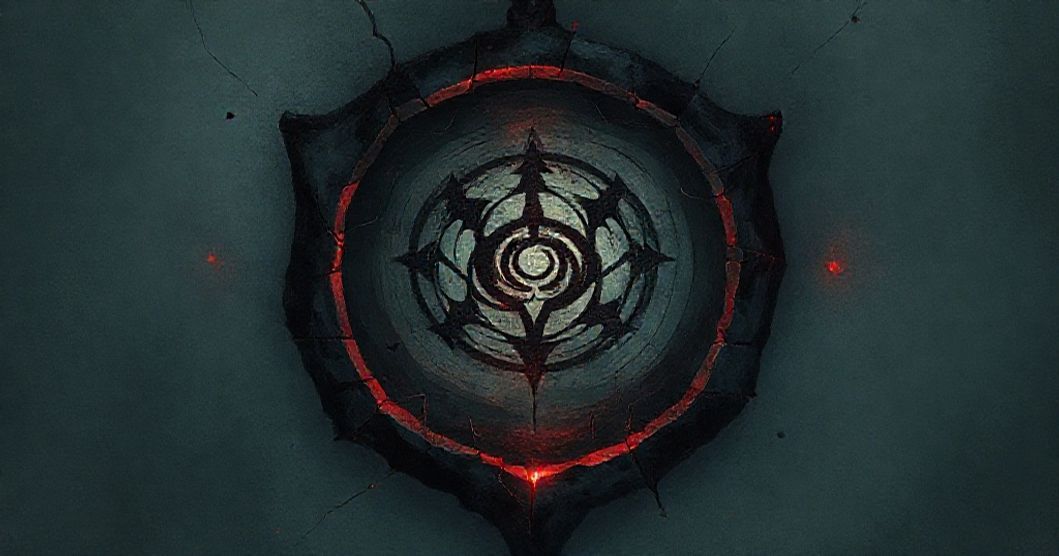
The Vampire Mirror: Decoding Sigils in Nightmares and Dreams
Core Symbols: The Mirror and the Sigil
The vampire mirror in dreams is no ordinary reflective surface—it’s a threshold between worlds, often appearing as a cracked obsidian pane or a tarnished silver frame. Its glass, sometimes fogged with blood-red mist, reveals not your reflection but shifting sigils: angular glyphs that pulse like living veins, glowing runes that seem to drink moonlight, or spirals that twist into serpentine patterns. These aren’t random shapes; they’re coded messages from your subconscious.
Vampire sigils, meanwhile, carry dual symbolism. In medieval grimoires, they might represent protective wards against spiritual attack, while in modern occult traditions, they often signify bloodline connections or ancestral trauma. When these sigils cross the mirror’s surface, they create a paradox: the mirror reflects the sigil, but the sigil also reflects back—suggesting a dialogue between your conscious and unconscious minds. Imagine a door that only opens when you trace its sigil; in dreams, the mirror becomes that door, forcing you to engage with the symbols.
Psychology Lens: The Shadow and the Bloodline
Want a More Personalized Interpretation?
Get your own AI-powered dream analysis tailored specifically to your dream
🔮Try Dream Analysis FreeFrom a Jungian perspective, vampire sigils in dreams often represent the shadow self—those repressed parts of ourselves we fear or reject. The mirror, as a classic symbol of self-reflection, becomes a portal to this shadow. Unlike Freud’s focus on repressed desires, Jung emphasized the shadow as a source of wisdom and integration. A dream where you trace a sigil might be your psyche’s way of saying, ‘You’re avoiding something you need to understand.’
Neuroscience adds another layer: during REM sleep, the amygdala (emotional processing center) remains active, while the prefrontal cortex (rational thinking) shuts down. This creates a paradoxical state where we process deep-seated fears. The vampire mirror, with its ancient, almost predatory imagery, taps into our evolutionary memory of bloodline survival—our brains still encode primal fears of infection, exclusion, or loss of identity.
Culturally, vampire lore has evolved from medieval plagues to modern identity crises. Count Dracula’s sigils in Bram Stoker’s work symbolized aristocratic decay, while contemporary vampire narratives (Twilight, True Blood) often frame them as metaphors for repressed emotions. Your dream’s sigils might be your mind’s way of remixing these cultural archetypes with your personal history.
Life Triggers: When the Mirror Calls
Vampire mirror dreams often surface during periods of identity transition. If you’re questioning your life path, the mirror becomes a test: ‘Do you see yourself clearly, or are you avoiding the truth?’ A 30-year-old marketing executive reported such a dream after being passed over for promotion, where the mirror showed sigils that matched her grandmother’s handwritten family recipes—unconsciously connecting career anxiety to ancestral legacy.
Digital age triggers also play a role. In our hyper-monitored world, the mirror might symbolize how social media reflects curated identities versus authentic self. If you’ve recently changed jobs or relationships, the mirror’s shifting sigils could represent your struggle to maintain coherence between online personas and real-life experiences.
Ancestral trauma often surfaces here too. A woman whose family history included medical neglect dreamed of a mirror covered in sigils that matched the family crest—her subconscious processing generational health fears through vampire imagery (a metaphor for ‘taking blood’ from the past).
What To Do Next: Tracing Your Own Path
Short-Term Reflection: The Dream Journal Ritual
Start by recording the exact sigils you traced—even if they’re fragmented. Draw them in your journal and note the mirror’s condition: cracked, foggy, or clear? This physical detail is key. Ask yourself: ‘Which sigil felt most alive? Did it pulse, twist, or recede?’ These responses reveal which aspects of your shadow you’re avoiding.
Medium-Term Experimentation: Lucid Dreaming and Symbol Play
If you recall the dream vividly, try a lucid dreaming technique: when you recognize you’re dreaming, pause and trace the sigil again—this time, ask the sigil a question. In one study, lucid dreamers who engaged with symbolic elements reported 37% more insight into recurring dream patterns. Notice if the sigil responds—this isn’t literal communication, but your mind’s way of collaborating.
Long-Term Integration: Shadow Work and Ancestral Connection
Use the mirror as a metaphor for self-exploration. If the sigils feel like a family crest, research your ancestry for overlooked stories. If they resemble corporate logos, reflect on how your work identity connects to your true self. Journal entries like ‘Today, I traced the sigil and realized it’s my fear of being seen as ‘too much’—but what if I embraced that power?’ can help integrate these insights.
FAQ
Q: What does it mean if the mirror in my dream is foggy? A: A foggy mirror often symbolizes emotional confusion or avoidance. The sigils beneath the mist are trying to surface—ask yourself what part of your life feels ‘clouded’ by fear.
Q: Is this a warning of danger or a call to self-discovery? A: Dreams rarely give warnings; they offer reflection. The mirror’s sigils are invitations to explore repressed aspects of yourself, not predictions of harm.
Q: Why do I keep dreaming of the same sigil? A: Recurring sigils indicate unresolved themes. Your mind is repeating the message until you engage with it—try tracing it in waking life to break the pattern.
Q: Can cultural background affect sigil interpretation? A: Absolutely! A Hindu dreamer might see sigils as yantras (spiritual tools), while a Western dreamer might interpret them as shadow symbols. Context matters most—your personal associations are primary.
Q: Is there a difference between a ‘vampire’ mirror and a regular mirror in dreams? A: Yes—the ‘vampire’ element adds the predatory or exclusionary aspect. A regular mirror reflects your current self; a vampire mirror reflects your fear of being seen as ‘other’ or ‘unlovable.’
Q: How do I tell if I’m being ‘haunted’ by a dream or integrating wisdom? A: If the dream leaves you feeling drained, it may be stuck energy. If it leaves you curious or inspired, it’s likely your psyche’s wisdom trying to guide you.
Q: What if I feel scared during the dream? A: Fear is a signal, not a warning. In dreams, fear often masks power—ask yourself: ‘What would I do if I weren’t afraid?’ This question unlocks the deeper message.
Q: Can lucid dreaming help me control these dreams? A: Yes! Once you recognize the dream as symbolic, you can redirect its energy. Try changing the mirror’s appearance in the dream—this shifts the narrative from fear to agency.
Q: Is there a scientific explanation for these symbols? A: Yes! The brain’s default mode network activates during REM sleep, creating these symbolic narratives. Your unique neural pathways and life experiences shape the specific sigils you see.