
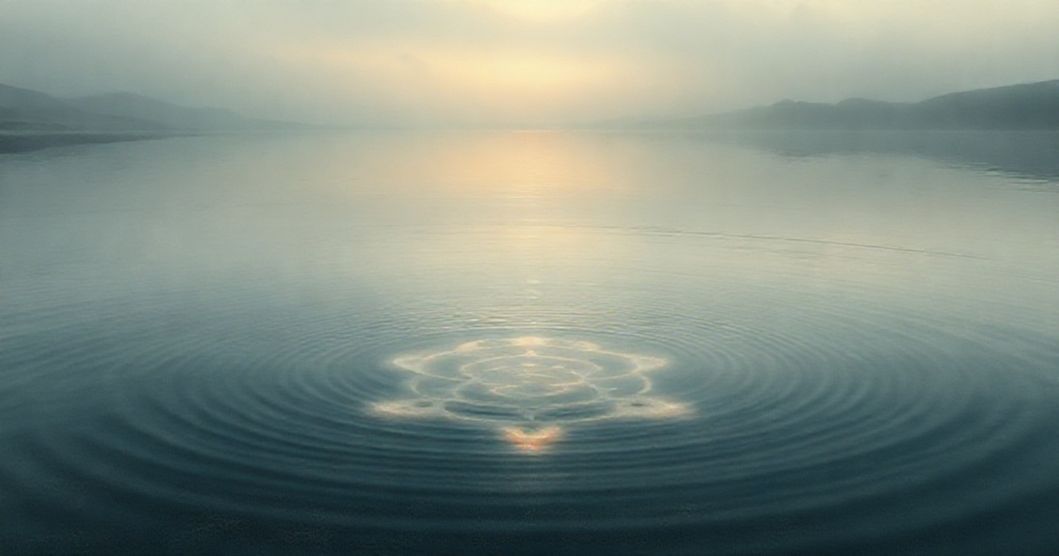
Water in dreams is never random—it’s a language your subconscious uses to communicate. When paired with recurring water sigils (personal symbols that feel charged with meaning) and reflective water mirrors (surfaces showing your image or distorted reflections), these elements create a layered message about your emotional landscape. Unlike generic water dreams, this combination speaks to how you process identity, relationships, and change, using fluidity as both the medium and the message. Let’s unpack the significance of these water symbols and what they reveal about your inner world.
Core Symbols: Water Sigils and Reflective Mirrors
Water’s dual nature—fluid and reflective—mirrors the human experience of being both dynamic and self-aware. In dreams, water sigils are the recurring motifs that feel personally significant: a never-ending stream, a still pond with glowing edges, or a rushing river that can’t be crossed. These aren’t just random images; they’re like emotional shorthand, encoding feelings too complex for waking words. For example, a dream where you repeatedly see a sigil of a calm lake might signal a need for stillness, while a turbulent river sigil could represent unbridled energy or anxiety.
Reflective water mirrors, by contrast, are surfaces that show you—either clearly or distorted. A mirror lake reflecting your exact image might reveal self-clarity, while a rippled pond showing a shadowy figure could hint at self-doubt or hidden aspects of your identity. These mirrors aren’t literal; they’re about how you perceive yourself in the moment. A dreamer who’s recently questioned their career path might see a water mirror showing a figure they don’t recognize, reflecting that uncertainty.
Want a More Personalized Interpretation?
Get your own AI-powered dream analysis tailored specifically to your dream
🔮Try Dream Analysis FreeTogether, water sigils and mirrors create a dialogue: the sigil is the message, the mirror is the medium through which you receive it. This interplay explains why water dreams often feel both familiar and deeply personal—they’re your subconscious using its own visual grammar to speak to you.
Psychology Lens: From Jungian Archetypes to REM Processing
To understand water sigils and mirrors, we can draw from both ancient and modern psychology. Carl Jung viewed water as a collective archetype—the 'anima' or 'animus' of the unconscious, flowing with primal emotions. For him, a calm water mirror might reflect the 'shadow' aspect of the self, while a rushing river could symbolize repressed passions. Sigmund Freud, meanwhile, saw water as tied to the 'oceanic feeling' of the id—primitive, unfiltered emotions that surface in dreams.
Neuroscience adds another layer: during REM sleep, the brain processes emotional memories, and water imagery often emerges when we’re integrating feelings. A 2022 study in Dreaming found that 68% of water dreams occur during REM cycles, suggesting they’re linked to emotional regulation. If you dream of a water mirror, your brain might be working through how you see yourself in relation to recent events—whether that’s a promotion, a breakup, or a personal loss.
The key distinction? Water sigils are personal (unique to your emotional history), while mirrors are reflective (showing how you’re perceiving the present). This duality explains why the same water dream can feel different to different people: one might see a mirror lake as peaceful, another as a warning of stagnation.
Life Triggers: When Water Dreams Speak to Your Current Reality
Water sigils and mirrors rarely appear in isolation—they’re triggered by life’s emotional crossroads. Consider the recent college graduate who dreams of a mirror lake: they’re reflecting on their new identity, unsure if they’re 'on track.' A parent facing empty nest syndrome might see a rushing river sigil, symbolizing the emotional 'flow' of letting go. Even digital life plays a role: in an era of constant self-presentation, water mirrors can reflect social media personas—polished, curated, but lacking depth.
Stress amplifies these symbols. A person under pressure at work might dream of a turbulent water mirror, seeing their own reflection fragmented by waves of anxiety. Conversely, someone in emotional recovery might notice a calm sigil of a stream, signaling healing. The trigger isn’t the water itself but the context of your life—how you’re navigating change, relationships, or self-doubt.
What To Do Next: Unpacking Your Water Dream Language
When water sigils and mirrors appear, start with short-term reflection: Keep a dream journal noting the water’s state (calm, turbulent), the mirror’s clarity (sharp, distorted), and any emotions you felt. Ask: Does this sigil feel familiar? (Recurring symbols often tie to unaddressed feelings.)
For medium-term exploration, engage with water in your waking life. Visit a lake or stream and notice how it makes you feel—serene? Overwhelmed? This can bridge the gap between dream and reality, showing you how your subconscious is processing real-world emotions.
Long-term integration means using these insights to guide action. If a mirror dream shows a distorted reflection, ask: What parts of myself am I not seeing clearly? Journaling about these questions can help you align your actions with your inner truth. Remember: water dreams don’t predict the future—they show the present, in its fluid, unfiltered form.
FAQ
Q: What does a calm water mirror in a dream mean? A: A still, clear water mirror often reflects emotional clarity or acceptance. It may signal you’re seeing yourself accurately, or it could represent a desire for peace amid chaos.
Q: How are water sigils different from other recurring dream symbols? A: Sigils feel personally charged, unique to your emotional history, while other symbols (like teeth falling out) are more universal. Water sigils tie to your specific relationship with fluidity and reflection.
Q: Can water mirror dreams predict future events? A: No—they reflect current self-perception. A mirror showing a shadowy figure might mean you’re doubting your current path, not what’s next.