
Part 1: Dream Presentation
Dreams often unfold as cryptic yet intimate dialogues between our conscious and unconscious selves, revealing truths we might otherwise overlook. This dream narrative offers a glimpse into the enigmatic realm where forgotten connections resurface unexpectedly, challenging assumptions about how memory and attention operate during sleep.
Last night’s dream arrived as a half-remembered melody—faint, yet carrying an undercurrent of warmth that lingered even after waking. I recall fragments of a scene that felt both ordinary and bizarre, as if my mind had cobbled together a narrative from scattered memories and unspoken connections. The dream itself wasn’t terrifying or deeply disturbing, but rather a gentle, confusing tapestry of faces I couldn’t quite place. Oddly, I don’t remember the dream’s main events clearly, only that it left me with a vague sense of contentment—like completing a puzzle I didn’t realize I was working on. There were parts that felt deeply personal, almost intrusive in their familiarity, yet I couldn’t articulate exactly what had occurred. It was as if my subconscious had whispered secrets only to retreat before I could fully grasp them.
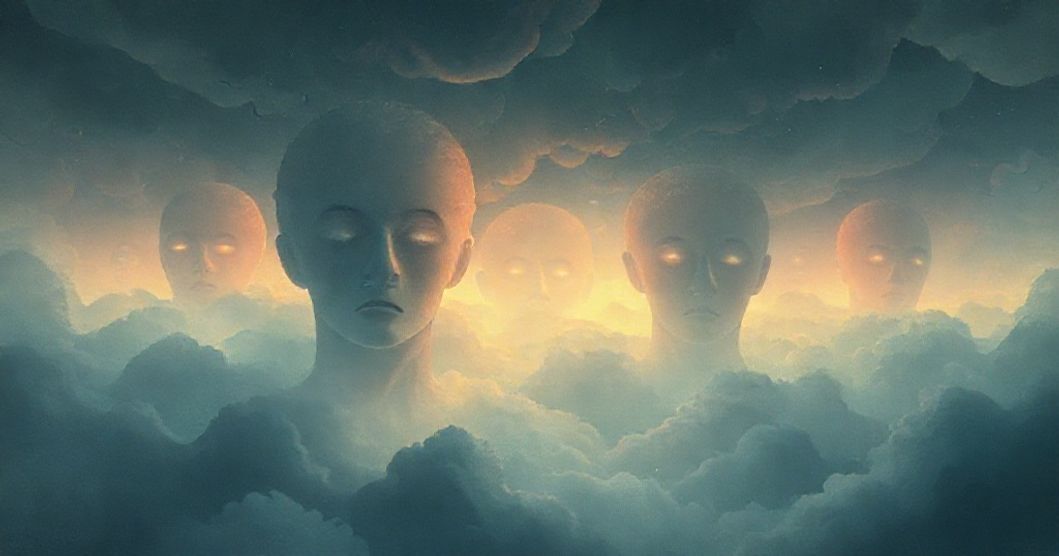
What strikes me most is the recurring presence of certain figures: relatives I haven’t seen in years, old friends from elementary school, even a boy I once had a crush on during high school. These people rarely occupy my waking thoughts, yet they appeared vividly in the dreamscape, their faces rendered with a clarity that felt almost accusatory—Why haven’t you thought of me? they seemed to ask, though I never heard actual words. It’s perplexing how the mind can conjure such specific individuals without any conscious prompting.
Want a More Personalized Interpretation?
Get your own AI-powered dream analysis tailored specifically to your dream
🔮Try Dream Analysis FreeI’ve always been curious about dreams, especially since I often watch idol dramas that feature impossibly handsome actors. I’ve wondered why these larger-than-life figures rarely appear in my dreams, while these ordinary-seeming people from my past do. Yet yesterday, something shifted: I dreamt of some actors I used to watch avidly years ago, before I moved on to new interests. Their faces appeared briefly, fleeting like a memory, yet distinct enough to make me wonder why they’d chosen to visit me now.
This dream raises a question that’s haunted me: How does the subconscious decide which people to resurrect? Why do some faces stay buried in the recesses of my mind, only to surface in dreams, while others, more recent or more significant, remain absent? And what does it mean when these forgotten figures appear unannounced, as if they’ve been waiting for their turn to speak? The idea of the subconscious as a repository of unprocessed emotions and memories suddenly feels more tangible, like a library where long-closed books are occasionally pulled off the shelf to be read again, even if I don’t remember checking them out.
As I try to piece together these fragments, I’m left with a sense of wonder and confusion—a reminder that our minds are far more complex than we give them credit for, constantly weaving stories we can’t always control or understand.
Part 2: Clinical Analysis
The Subconscious as Storyteller: Unconscious Connections in Dreams
The recurring appearance of forgotten faces in dreams suggests the subconscious operates as a complex storyteller, revisiting individuals who may represent unresolved emotional connections or archetypal patterns. In this case, the dreamer’s encounter with relatives, old friends, and a former crush indicates that these figures symbolize more than mere acquaintances—they embody aspects of the dreamer’s past self or unprocessed emotions tied to specific life stages. When we experience dream figures without conscious prompting, it often signals that the mind is attempting to integrate fragmented memories or emotions that haven’t been fully acknowledged in waking life.
The absence of idol drama characters, despite their prominence in the dreamer’s daily media consumption, offers an interesting contrast. This may reflect a subconscious distinction between fantasy and reality, or perhaps a resistance to the idealized versions of masculinity portrayed in these dramas. The unexpected appearance of old actors, however, introduces a layer of nostalgia for a time when the dreamer engaged with media differently, suggesting a longing for connection to a past self or a specific period of life.
Archetypal Patterns: The Persistence of Familiar Faces
From a Jungian perspective, the recurring faces in dreams could represent archetypes—the collective unconscious’ universal symbols that manifest as specific people, places, or events. In particular, the