
Part 1: Dream Presentation
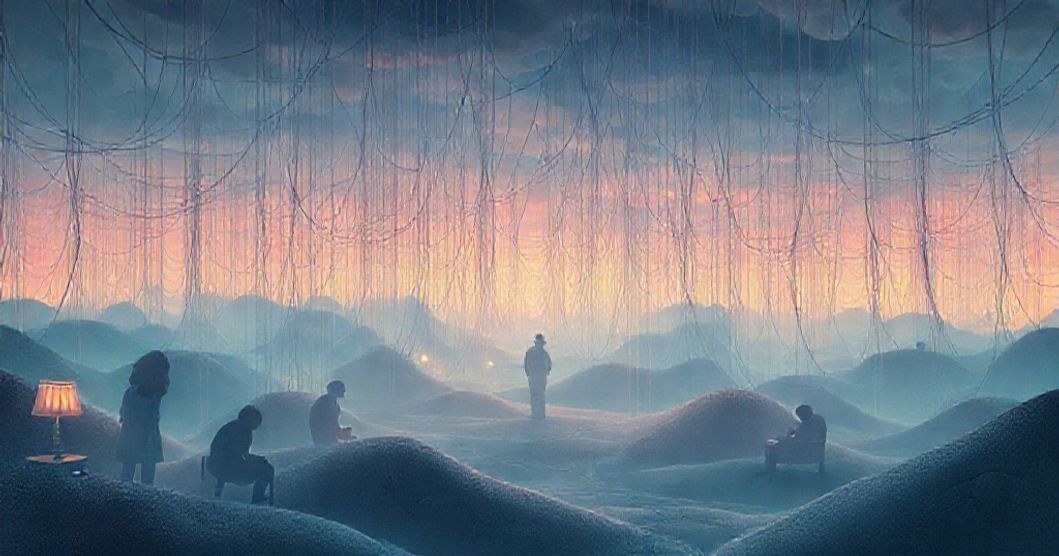
Dreams often serve as the unconscious’s way of communicating messages we cannot yet articulate, and in this recurring dreamscape, the mind has crafted a symbolic language all its own. The dreamer describes a haunting cycle of locations that feel simultaneously familiar and alien, each scene layered with emotional undertones that resist easy explanation. The narrative unfolds through three distinct yet interconnected settings: a foreboding black cabin where kidnapping imagery occurs, a marked road leading to agricultural workers and a temple, and the deeply personal space of grandmother’s house.
For as long as I can remember, I’ve been haunted by the same dreamscapes repeating like a broken record in my sleep. These aren’t ordinary dreams—they feel like fragments of a story I can never quite finish, each scene unfolding with the precision of a memory I can’t place. In one recurring tableau, I find myself in an open, windswept plain where the air hums with an unspoken tension. The ground beneath my feet is cracked and uneven, dotted with faint tire tracks that seem to have been worn into existence by countless journeys. This is where the dread begins: a shadowy figure appears, and I feel myself being dragged toward a small, square cabin constructed of black wood that blends into the overcast sky. Its windows are blank, like empty eyes, and the door hangs slightly ajar, as if inviting me in while silently warning me to turn back. I always wake up gasping, my chest tight with fear, yet I can’t stop myself from returning to this place.
Another part of the dream unfolds along a wide, marked road that stretches endlessly before me. The pavement is stark white, painted with bold yellow lines that guide my eyes into the distance. As I stand at the crossroads, the road seems to pulse with purpose, drawing me forward toward a cluster of figures bent over rows of crops. Their movements are mechanical, almost ritualistic, as they tend to the fields under a relentless sun. Beyond them, half-hidden in mist, rises a temple—its spires weathered but grand, exuding an air of ancient wisdom and silent judgment. I’ve never understood why this sequence follows the kidnapping scene; the contrast between the confined cabin and the expansive landscape feels jarring yet inevitable.
Want a More Personalized Interpretation?
Get your own AI-powered dream analysis tailored specifically to your dream
🔮Try Dream Analysis FreeThe most perplexing recurring setting is my grandmother’s house, a place from my childhood that should feel familiar and comforting. Instead, it materializes in my dreams as a labyrinth of half-familiar rooms, the air thick with dust and the scent of old spices I can’t quite identify. The furniture shifts in ways that defy logic, and the walls seem to breathe, as if the house itself is watching me. I wander its halls aimlessly, calling out for my grandmother, but no one answers. There’s a sense of longing mixed with unease—a feeling I can’t quite name, yet one that lingers long after I wake.
What troubles me most is not the content of these dreams but their repetition. Why do these specific images and locations keep returning? Is there a message I’m supposed to decode, or am I simply stuck in a loop of unresolved emotions? The questions swirl in my mind, as persistent as the dreams themselves.
Part 2: Clinical Analysis
Symbolic Landscape: Decoding the Dream’s Visual Language
To understand this dream, we must first decode its symbolic elements, each of which carries layers of meaning that extend beyond literal interpretation. The black cabin emerges as a central symbol of confinement and transformation—a space where the dreamer experiences kidnapping, suggesting a sense of powerlessness or loss of agency in waking life. In Jungian psychology, cabins often represent the unconscious mind’s inner sanctuary, while their black coloration hints at the shadow self—the aspects of ourselves we may fear or reject. The act of being kidnapped within this space could symbolize a feeling of being “taken over” by forces we cannot control, perhaps reflecting anxiety about life transitions or responsibilities.
The marked road serves as a powerful metaphor for life’s journey, its white pavement and yellow lines suggesting a clear path yet one that feels predetermined. The road’s progression toward crop workers and a temple introduces themes of purpose and spiritual seeking. Crop workers, often associated with labor and sustenance, may represent the mundane yet essential work of daily life, while the temple—an ancient, weathered structure—signals a deeper spiritual or existential longing. This progression from the confined cabin to the open road and spiritual destination suggests a movement from fear to purpose, yet the dreamer’s confusion about the sequence hints at internal resistance to this journey.
Grandmother’s house, though deeply personal, fits within the broader framework of ancestral connection. In dream analysis, family homes often represent foundational values, memories, and unresolved relationships. The house’s uncanny quality—the shifting furniture, the silent absence of the grandmother—suggests that while the dreamer may intellectually understand their family legacy, the emotional reality remains unprocessed. The house becomes a liminal space, neither fully present nor absent, reflecting the dreamer’s struggle to reconcile past and present.
Psychological Perspectives: Layers of Unconscious Processing
From a Freudian lens, these recurring dreams might represent repressed conflicts or unresolved childhood experiences. The kidnapping scenario could symbolize fears of losing control or being overwhelmed by external demands, while the grandmother’s house may reflect unresolved attachment issues or guilt. Freud would likely emphasize the dream’s role in processing repressed emotions, suggesting these images are attempts to work through unconscious conflicts that have not yet been integrated into waking awareness.
Jung’s analytical psychology offers a complementary perspective, viewing these recurring images as archetypal patterns—the “collective unconscious” speaking through the dreamer’s personal mythology. The black cabin could represent the shadow, the hidden aspects of self that need acknowledgment. The road and temple align with the archetype of the “hero’s journey,” where the dreamer moves from the darkness of the unconscious (cabin) toward illumination (temple). This framework suggests the dreams are not random but purposeful, guiding the dreamer toward self-discovery.
Cognitive neuroscience adds another layer, proposing that recurring dreams may reflect the brain’s attempt to process emotional memories or unresolved trauma. The amygdala, responsible for emotional memory, might be reactivating these scenes as the mind seeks to make sense of them. This scientific perspective reminds us that dreams are not just symbolic but also functional, helping the brain organize and integrate emotional experiences.
Emotional & Life Context: The Unconscious’s Mirror
The repetition of these settings strongly suggests that the dreamer is processing a significant life transition or emotional conflict. The kidnapping in the black cabin could reflect anxiety about current responsibilities or relationships, where the dreamer feels “taken” in by external pressures. The marked road leading to crop workers and a temple hints at a search for meaning in mundane life—a common theme during periods of career uncertainty or spiritual questioning.
Grandmother’s house, with its ambiguous presence, likely connects to themes of legacy and mortality. Grandmothers often symbolize wisdom, care, and continuity in dreams, so her absence or the house’s uncanny quality may reflect the dreamer’s struggle with aging, loss, or the passage of time. The house’s physical shifts (moving furniture, changing spaces) could represent the dreamer’s internal confusion about their place in the family structure or life’s direction.
The emotional undercurrent throughout is one of confusion and resistance. The dreamer’s question—“why these specific settings?”—reveals an attempt to find meaning in the chaos of their internal world. This confusion mirrors waking life experiences where the dreamer may feel adrift, lacking clear direction or understanding of their emotions.
Therapeutic Insights: Navigating the Dream’s Messages
For the dreamer, these recurring images offer a unique opportunity for self-reflection. One practical exercise is to create a dream journal entry for each recurring scene, noting not just the images but the emotions they evoke. This practice helps externalize the unconscious material, making it easier to analyze patterns.
Exploring the “black cabin” as a symbol of confinement, the dreamer might ask: What areas of my life feel confining? Am I resisting necessary changes? Journaling about these questions can reveal whether the cabin represents a job, relationship, or mindset that needs reevaluation.
The marked road and temple suggest a call to action toward purposeful living. The dreamer could reflect on their current path: Are they moving toward meaningful work or spiritual growth, or are they following a path dictated by external expectations? This reflection might reveal a disconnect between daily actions and deeper values.
Grandmother’s house invites exploration of family relationships and ancestral connections. The dreamer might consider: What aspects of my grandmother’s wisdom or values do I carry forward? How might I honor her legacy while creating my own path? Journaling letters to the grandmother in the dream (or to the inner child who feels abandoned) can help process unresolved emotions.
FAQ Section: Clarifying Recurring Dream Patterns
Q: Why do specific locations repeat in my dreams?
A: Recurring locations often represent unresolved emotions or psychological patterns needing attention. Your dreams may be signaling that these settings hold the key to integrating conflicting feelings or completing unfinished emotional business.
Q: What does the kidnapping symbolize in my dreams?
A: Kidnapping imagery typically reflects feelings of powerlessness, loss of control, or fear of being overwhelmed by external forces. It may signal a need to reclaim agency in waking life.
Q: How can I work through these recurring dream patterns?
A: Begin by journaling the emotions tied to each location, then explore how these might relate to current life circumstances. Reflective practices like meditation or dream analysis with a therapist can help integrate these symbolic messages into your waking awareness.
Conclusion
This dream’s power lies in its repetition—a testament to the unconscious’s persistence in delivering messages that demand attention. The black cabin, marked road, crop workers, and grandmother’s house form a narrative of fear, transition, and legacy, each element a thread in the tapestry of the dreamer’s inner world. By embracing these symbols rather than resisting them, the dreamer can unlock the wisdom hidden within, transforming recurring anxiety into purposeful self-discovery. The journey from the confined cabin to the open road and temple is not just a dream sequence but a metaphor for the ongoing work of integrating the shadow, honoring legacy, and finding meaning in life’s transitions.