
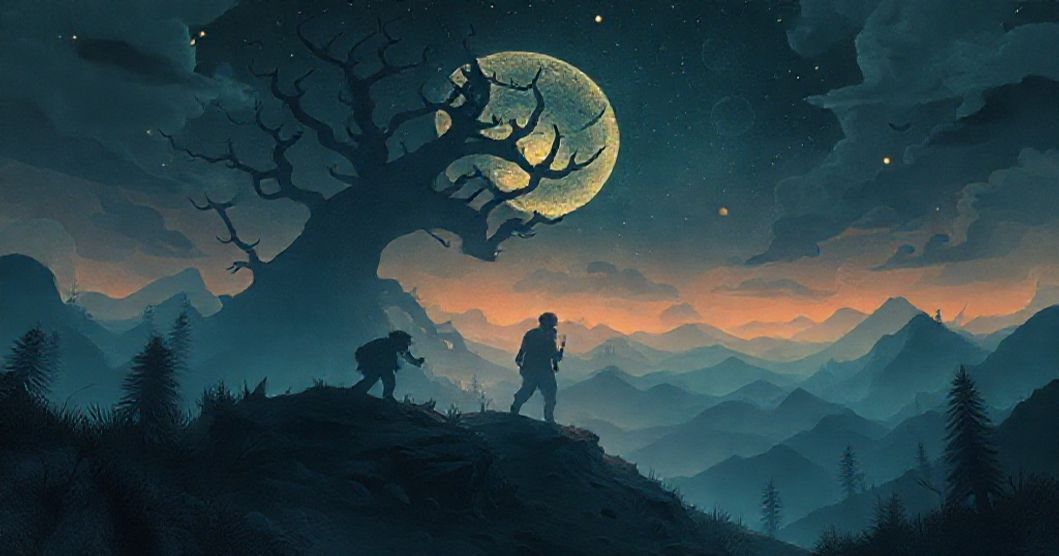
Part 1: Dream Presentation
Dreams often serve as mirrors to our deepest anxieties and untapped resources, revealing truths we didn’t know we carried within. This vivid nightmare-dream hybrid offers a compelling narrative of sudden threat and primal response. The dream begins with the comfort of a familiar, almost nostalgic day—sunburned smiles, laughter echoing from a theme park adventure—before shifting into a descent into chaos. A new house, meant to be a haven, becomes the stage for an otherworldly invasion: ordinary cats transforming into nightmarish creatures that shatter safety and demand survival. The protagonist’s actions—grabbing weapons, protecting others, facing monsters alone—unfold with visceral tension, culminating in a broader neighborhood crisis that hints at collective unease.
The day had begun with the kind of sun-drenched nostalgia that only comes from chasing thrills under clear skies. Sunburned smiles creased faces as we piled into the car, our legs tired from hours of roller coasters and cotton candy, laughter lingering like honey in the air. By the time we reached the parking lot, the golden light had softened into a hazy dusk, and the car hummed with the contented exhaustion of a perfect day. Little did we know, the evening would unravel into something primal and unexpected. The radio crackled to life with emergency static, voices urgent and distorted, warning of 'unidentified entities' stalking the region. At first, we dismissed it as a prank—until the sky bled black and the world outside our new, spacious home seemed to hold its breath. The house loomed like a silent sentinel, its cameras casting eerie blue glows across the living room as we tried to pretend normalcy. Then the front-yard camera flashed: a 'cat' pacing the perimeter, movements so deliberate they bordered on predatory. One of the group, fingers trembling, cracked the door just enough to see. The creature's head swiveled like a mechanical toy, its body stretching upward as if bones themselves were reshaping, fur splitting into sinew, limbs lengthening into something seven feet tall and impossibly wrong. A screech tore through the air, and it charged. The door slammed shut as claws raked the frame, and I sprinted to join the fight, shoving a pocket knife into its arm again and again until it recoiled with a howl that made my teeth ache. The smaller cats—shadows that warped into similar horrors—circled the house, their growls shaking the foundation. 'Basement, now!' I shouted, grabbing the gun hidden between recliners. As others fled downward, I emptied my clip into the creature that burst through the stairs, its form collapsing in a heap of twisted limbs. The third monster battered the basement door until it splintered, and I reloaded as everyone took cover. Upstairs, the creature's screams echoed like a dying animal, but I climbed back, gun raised, stepping over fallen forms. Outside, the night blazed with screams and gunfire, flashes of light painting the sky as the neighborhood itself became a battlefield. The world beyond my home was unraveling, and I realized this nightmare was just the beginning of something far larger than a single house.
Part 2: Clinical Analysis
Want a More Personalized Interpretation?
Get your own AI-powered dream analysis tailored specifically to your dream
🔮Try Dream Analysis FreeSymbolic Landscape: Unpacking the Dream’s Visual Language
The dream’s imagery is rich with symbolic resonance, each element serving as a window into the unconscious mind. The transforming cat-creatures represent the metamorphosis of suppressed aspects of self—perhaps dormant strengths or repressed fears. In dream psychology, cats often symbolize intuition, agility, and the 'cat-like' precision of our instinctual responses. When these creatures transform, they embody the shadow archetype described by Carl Jung: the parts of ourselves we fear to acknowledge, now emerging as threatening, distorted forms. The new house, initially a safe haven, mirrors how we construct protective boundaries in waking life that suddenly crumble. Its spaciousness and newness suggest a recent life transition or attempt at control, while the basement—our refuge—represents the primal, instinctual core we retreat to when facing existential threats.
The weapons in the dream (gun, knife) are powerful symbols of power and protection. The gun, a tool of control, contrasts with the knife’s more primal, instinctual application—suggesting a spectrum of responses to danger. The protagonist’s shift from knife to gun reflects a progression from reactive to proactive survival, mirroring the awakening of more deliberate protective instincts. The neighborhood chaos, with gunshots and distant screams, expands the personal threat to collective anxiety, suggesting societal or environmental fears bubbling to the surface.
Psychological Perspectives: Layers of Interpretation
From a Jungian lens, this dream embodies the process of shadow integration—the confrontation with repressed aspects of the self. The monsters represent the dreamer’s 'shadow'—parts of the psyche that feel foreign, threatening, and overwhelming. The transformation of a harmless cat into a seven-foot terror mirrors how our unconscious fears can grow exponentially when ignored. The family’s collective action, with some members fleeing and others fighting, reflects the split within ourselves between avoidance and confrontation.
Freudian analysis might view the dream as a manifestation of repressed aggression or survival anxieties. The theme park’s 'sunburned smiles' could represent a denial of deeper tensions, while the sudden threat forces the dreamer to confront these repressed fears. The sexual symbolism of the transformation (bones reshaping, fur splitting) might hint at repressed sexual energy or the fear of losing control over one’s body.
Cognitive psychology frames this as a threat simulation dream, where the brain rehearses survival scenarios to enhance real-world resilience. The dream’s intensity suggests the dreamer is processing a significant waking stressor, using the nightmare to 'practice' facing overwhelming challenges. The rapid transformation and escalating conflict mirror the brain’s attempt to map the emotional intensity of a real threat.
Emotional & Life Context: Confronting the Unseen
The dream likely reflects the dreamer’s current emotional state—perhaps feeling overwhelmed by responsibilities, threatened by unknown changes, or facing a situation where they must rely on previously unused strengths. The theme park day, with its 'sunburned nostalgia,' suggests a longing for simpler times or a past self they feel they’ve outgrown. The 'unidentified creatures' could symbolize vague anxieties: work pressures, relationship tensions, or fears of societal collapse that feel inescapable.
The collective chaos in the neighborhood—gunshots, distant screams—mirrors the dreamer’s awareness of systemic threats (environmental, political, or relational) that feel beyond individual control. The protagonist’s role as protector suggests a desire to take charge, to reclaim agency in a world that feels increasingly chaotic. The 'awakening' of instincts aligns with moments of personal growth where we must confront our limits and discover inner resources we didn’t know existed.
Therapeutic Insights: Tapping Into Instinctual Wisdom
This dream offers several therapeutic takeaways. First, it validates the importance of acknowledging and integrating both light and shadow aspects of the self. The transformation of the cat into a monster isn’t inherently evil—it’s a reflection of our own inner work. The dreamer is being invited to recognize that their instinctual responses, once suppressed, are vital for survival. To integrate this, consider journaling about moments of 'instinctual awakening' in waking life, no matter how small.
The dream also speaks to the need for preparedness without overreaction. The protagonist’s progression from knife to gun suggests a balance between intuition and strategy. In daily life, this could translate to developing both 'gut-level' responses and structured plans for facing challenges. The basement refuge, a primal space, reminds us to honor our need for safety while not retreating into denial.
Finally, the dream’s collective dimension suggests that our individual struggles are interconnected with broader societal anxieties. By acknowledging these collective fears, we can channel them into constructive action rather than paralyzing anxiety. The dreamer might benefit from exploring how they respond to threats in waking life, noticing when they default to avoidance versus confrontation.
FAQ: Navigating Dream Meanings
Q: What does it mean when my dreams feature transforming creatures?
A: Transforming creatures often symbolize suppressed aspects of self emerging as threatening or misunderstood. This could represent repressed talents, fears, or growth areas needing attention.
Q: Why did I feel compelled to protect others in the dream?
A: Protecting others reflects your waking desire to take responsibility, support loved ones, or channel courage into meaningful action. It may indicate a need to trust your protective instincts in real life.
Q: How does this relate to my waking fear of the unknown?
A: The dream’s escalating chaos mirrors how our minds process uncertainty. Your instinct to fight, not flee, suggests a hidden strength you’re beginning to embrace in the face of life’s unexpected challenges.