
Part 1: Dream Presentation
Dreams have long served as windows into the unconscious mind, revealing our deepest fears and unresolved emotions through symbolic imagery. This particular nightmare, vividly rendered in the dreamer’s recounting, offers a visceral exploration of psychological themes surrounding isolation, violation, and the struggle to break free from oppressive situations. The dream begins in a crowded social setting—a party filled with the sounds and smells of celebration—yet the dreamer experiences profound disconnection from those around them. This initial scene sets the stage for the emotional tension that unfolds as the narrative progresses.
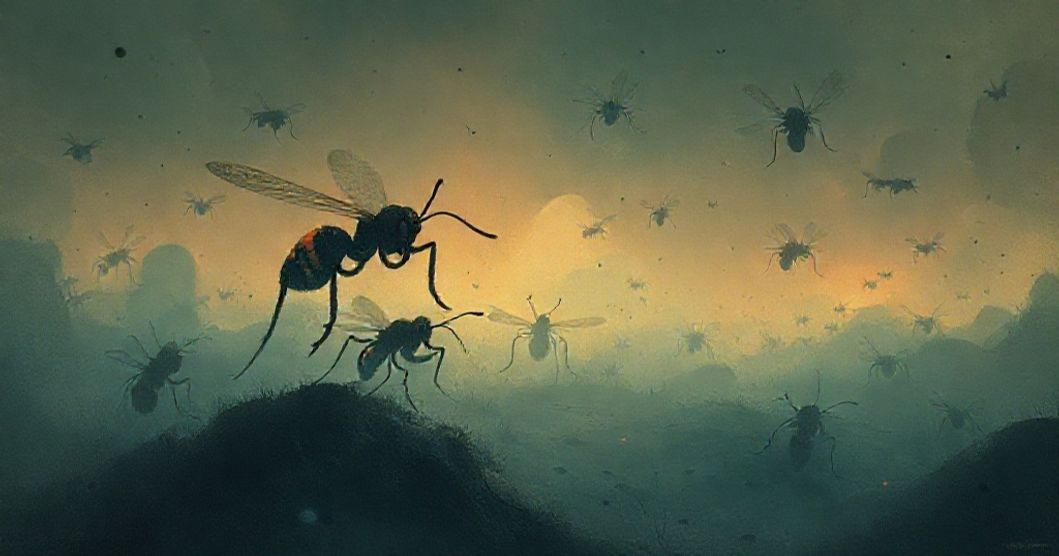
The dreamer finds themselves in a room where laughter and conversation blend into a chaotic backdrop, their own presence feeling secondary to the environment. A swarm of wasps suddenly appears, initially startling but met with collective indifference from the crowd. This unexpected lack of reaction heightens the dreamer’s sense of unease, as if the wasps represent something inherently wrong yet universally ignored. The wasps then vanish, only to reappear with a vengeance on the dreamer’s most vulnerable bodily area—the crotch—where they begin stinging and eating flesh. This shift from collective indifference to personal violation underscores the dream’s central themes of isolation and bodily intrusion.
The dreamer’s attempts to wake up reveal a deeper layer of psychological struggle: an invisible force resists their escape, drawing them back into the nightmare. With each failed attempt, the wasps multiply, symbolizing the growing intensity of the dreamer’s anxiety. Finally, upon waking, the dreamer experiences physical symptoms—no breath, a scream that cannot be heard—before confirming their safety in the waking world. This final sequence underscores the lingering emotional impact of the nightmare, leaving the dreamer with a sense of trauma and uncertainty.
Want a More Personalized Interpretation?
Get your own AI-powered dream analysis tailored specifically to your dream
🔮Try Dream Analysis FreePart 2: Clinical Analysis
Symbolic Landscape: Unpacking the Wasps and the Party
The wasps in this dream represent a multifaceted symbol of psychological tension. In dream imagery, insects often signify small, persistent irritations or anxieties that feel overwhelming when unchecked. The wasps’ aggressive nature and specific targeting of the crotch suggest a focus on bodily boundaries and vulnerability. The crotch area, as a site of sexual and reproductive identity, can symbolize core aspects of self that feel violated or under attack. This bodily specificity indicates a concern with personal integrity and the fear of having one’s most intimate self compromised.
The party setting serves as a powerful contrast to the dreamer’s internal experience. Parties typically represent connection, celebration, and social belonging, yet the dreamer’s isolation within this space suggests a real-life feeling of disconnection from others. The crowd’s indifference to the wasps mirrors the dreamer’s perception that their pain and needs are unacknowledged in waking life. This collective detachment creates a sense of being trapped in a social environment where emotional support is absent—a theme that resonates with modern experiences of loneliness despite physical proximity.
The wasps’ ability to multiply and resist the dreamer’s attempts to escape further symbolizes the persistence of unresolved issues. In dreamwork, recurring elements often represent psychological patterns that need attention. Here, the wasps’ growth mirrors how small anxieties can escalate into overwhelming fears when ignored, much like how unaddressed stressors accumulate in waking life.
Psychological Undercurrents: From Jungian Archetypes to Modern Stress
From a Jungian perspective, the wasps may represent the shadow self—the repressed aspects of personality that feel threatening or uncontrollable. The shadow often manifests as aggressive or invasive imagery, reflecting parts of ourselves we struggle to acknowledge. The collective indifference to the wasps could symbolize the dreamer’s own unconscious resistance to confronting these shadow elements, choosing instead to ignore them as others ignore the wasps.
Freudian theory might interpret the crotch-focused imagery as tied to repressed sexual anxieties or unresolved conflicts around bodily boundaries. The wasps’ sting and subsequent