
Part 1: Dream Presentation
Dreams often serve as mirrors to our inner landscapes, reflecting emotions and desires we may not fully acknowledge in our waking lives. Consider this narrative from a first-time contributor to r/Dreams, who describes a vivid encounter with a stranger that blurred the line between dream and reality through its tangible emotional impact. The dreamer’s experience—where a faceless yet vividly felt stranger sparked an electric, almost physical connection—highlights how the unconscious mind can synthesize longing, curiosity, and vulnerability into sensory experiences that feel startlingly real.
I’ve always found dreams to be curious messengers, often delivering emotional experiences that feel surprisingly tangible. For as long as I can remember, I’ve had dreams where I connect with people I know only from a distance—acquaintances, classmates, or colleagues I’ve never truly interacted with, yet in sleep they transform into figures who hold my hand as lovers or share tender moments. These dreams leave me with a faint, lingering warmth when I wake, though it fades quickly. It’s a fleeting yet pleasant feeling, like catching a glimpse of something beautiful just beyond my reach.
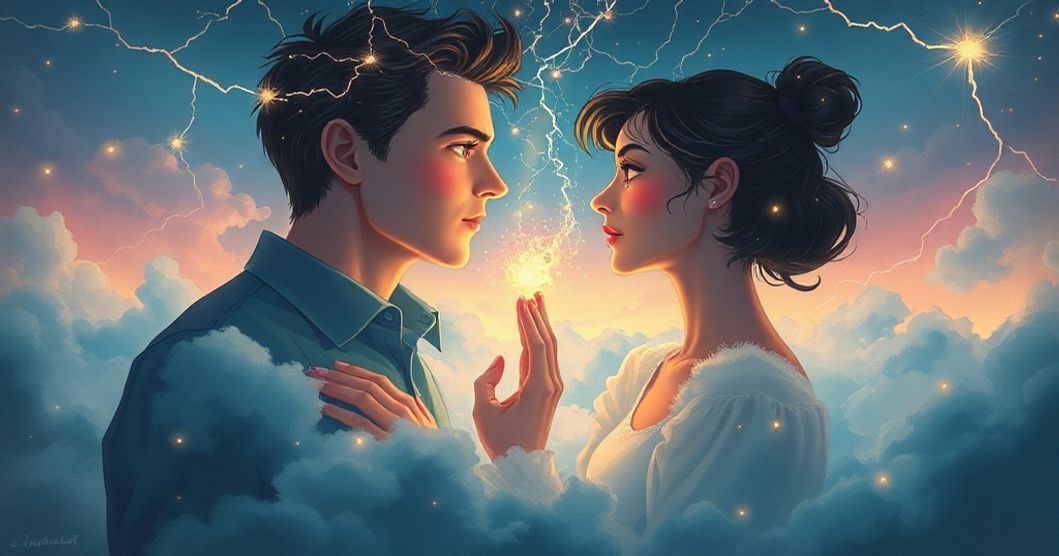
Last night, something shifted. Instead of a familiar face, I encountered a complete stranger: tall, with a lean, slender build, and features that felt distinctly mixed—perhaps a hint of European or mestizo ancestry, though I can’t recall exact details. His presence was electric. As soon as we stood close, our hands touched, and an odd, almost physical sensation erupted between us—a crackling, almost audible spark that felt like static electricity but was far more intimate. It wasn’t just a metaphor; it was as if invisible currents of energy surged between our palms, creating a warmth that radiated through my chest. This wasn’t a fleeting brush of skin; it was a deliberate, prolonged connection, like the first time you hold hands with someone you’re desperate to please, the kind of moment that makes your heart race and your breath catch. The feeling was so vivid I could almost taste the anticipation, feel the flush of my cheeks, and sense the weight of his presence.
Want a More Personalized Interpretation?
Get your own AI-powered dream analysis tailored specifically to your dream
🔮Try Dream Analysis FreeWhen I woke, I was still trembling slightly, that same strange warmth lingering but now tinged with confusion. I’ve never experienced such a literal ‘spark’ in a dream before—usually, emotions are felt but not physically manifested. This dream felt like a bridge between my unconscious and conscious mind, forcing me to question: Why this stranger? Why this intensity? And why does the brain, in its sleep state, recreate such visceral emotional experiences, even with people who don’t exist in my waking world? It’s as if my heart and mind conspired to remind me that connection, even imaginary, can feel profoundly real.
After some quick research, I found others have similar experiences—dreams that spark emotional responses so strong they feel like waking sensations. It’s mind-blowing to think that even in the realm of sleep, where logic bends, the brain can forge such authentic-seeming bonds. This dream wasn’t just about a stranger; it was about the longing for connection, the thrill of first intimacy, and the surprising ways our unconscious processes these desires, even when we’re not aware of them.
Part 2: Clinical Analysis
Symbolic Landscape: The Stranger, Sparks, and Emotional Resonance
The dream’s core elements—the anonymous stranger, physical sparks, and intimate connection—carry rich symbolic weight. In dream psychology, strangers often represent aspects of the self we’ve yet to integrate or explore: untapped desires, hidden fears, or parts of our identity we’ve neglected. The “mestizo” or mixed features might symbolize cultural hybridity, blending of different life experiences, or the unconscious desire for diversity in relationships. His “tall, thin” build could reflect ideals of physical presence (strength, vulnerability, or aesthetic appeal) or represent a need for emotional space and clarity.
The “sparks” are particularly significant. In dreams, physical sensations like electricity or warmth rarely occur randomly; they symbolize emotional intensity, repressed energy, or the activation of dormant feelings. The dreamer describes these sparks as “literal,” suggesting the unconscious is translating abstract emotions (longing, attraction, vulnerability) into concrete, sensory experiences. This phenomenon aligns with Carl Jung’s concept of synchronicity—the idea that meaningful coincidences (or in this case, “meaningful” dream experiences) reflect connections between the conscious and unconscious minds.
Psychological Undercurrents: Jungian and Freudian Perspectives
From a Jungian lens, the stranger embodies the anima/animus archetype—the unconscious masculine/feminine aspects of the self. For a female dreamer, the “stranger” could represent the animus, symbolizing rationality, courage, or untapped masculine energy. The physical connection (holding hands) with this archetype figure suggests an integration of these aspects, a desire to balance reason with intuition in relationships.
Freud might interpret the dream through the lens of repressed sexual energy. The “first intimacy” feeling mirrors the tension between forbidden desire and the unconscious drive for connection. The dream’s “stranger” could represent a forbidden attraction, someone the dreamer finds appealing but cannot pursue in waking life (due to social boundaries, fear, or unavailability). The “sparks” would then literalize the sexual tension that remains unexpressed during the day.
Cognitively, this dream aligns with research on emotional simulation during sleep: the brain’s default mode network, active during dreaming, constructs realistic emotional experiences by synthesizing memories, desires, and fears. The “sparks” might reflect the brain’s attempt to consolidate emotional memories, strengthening neural pathways associated with connection and intimacy.
Emotional and Life Context: Unconscious Longing in Waking Reality
The dreamer’s pattern of dreaming about “people known from afar” hints at a yearning for connection with someone they perceive as out of reach. This could stem from social isolation, limited romantic opportunities, or a general feeling of disconnection in waking life. The shift to a “random stranger” suggests the unconscious is expanding beyond familiar boundaries, seeking new forms of intimacy or validation.
The “fictional character” element in the original post hints at how media or cultural representations shape our desires. The dreamer mentions “fictional character,” possibly reflecting exposure to romantic narratives that idealize connection, then translating these ideals into a dream scenario. This blurring of reality and fiction suggests the unconscious is processing societal messages about love and intimacy, reinterpreting them through personal longing.
Therapeutic Insights: Unpacking the Dreamer’s Emotional Landscape
This dream offers several therapeutic takeaways. First, it signals the need to explore unmet emotional needs. The “sparks” represent a call to acknowledge what the dreamer truly craves in relationships—whether it’s vulnerability, physical connection, or emotional safety. Journaling exercises could help: the dreamer might ask, “What aspects of this dream feel most familiar in my waking life?” or “What barriers prevent me from pursuing real connections?”
The “stranger” figure invites self-reflection: Who are the “strangers” in my life I’ve yet to connect with? What parts of myself am I afraid to embrace? By recognizing these as symbols, the dreamer can begin to bridge the gap between unconscious longing and conscious action. For example, if the dream reflects a fear of intimacy, small steps toward vulnerability (e.g., joining a club, initiating a conversation) might help build confidence.
FAQ Section
Q: Why do dreams about strangers feel emotionally real?
A: Dreams activate the same brain regions as waking emotions, creating realistic sensory experiences. The unconscious synthesizes repressed feelings, memories, and desires into vivid scenarios, making them feel authentic.
Q: What does a “stranger” in dreams symbolize?
A: Strangers often represent unknown aspects of the self, unintegrated traits, or repressed desires. They can also symbolize new opportunities or fears of the unknown in relationships.
Q: How can I use this dream to improve my waking relationships?
A: Reflect on the “sparks” as a reminder to prioritize vulnerability and emotional honesty. Small acts of connection (listening deeply, sharing fears) can translate the dream’s intensity into real-world intimacy.