
Part 1: Dream Presentation
Dreams often serve as mirrors reflecting our deepest psychological landscapes, especially during periods of profound life transition. For this mid-30s individual navigating recent diagnoses of ADHD and autism, alongside the transformative effects of new medication and cognitive behavioral therapy, a recurring dream imagery became a focal point of reflection. After years of struggling with executive function and social anxiety, he now experiences improved sleep, clearer thinking, and the rare ability to recall dreams—an unexpected gift that has sparked introspection.
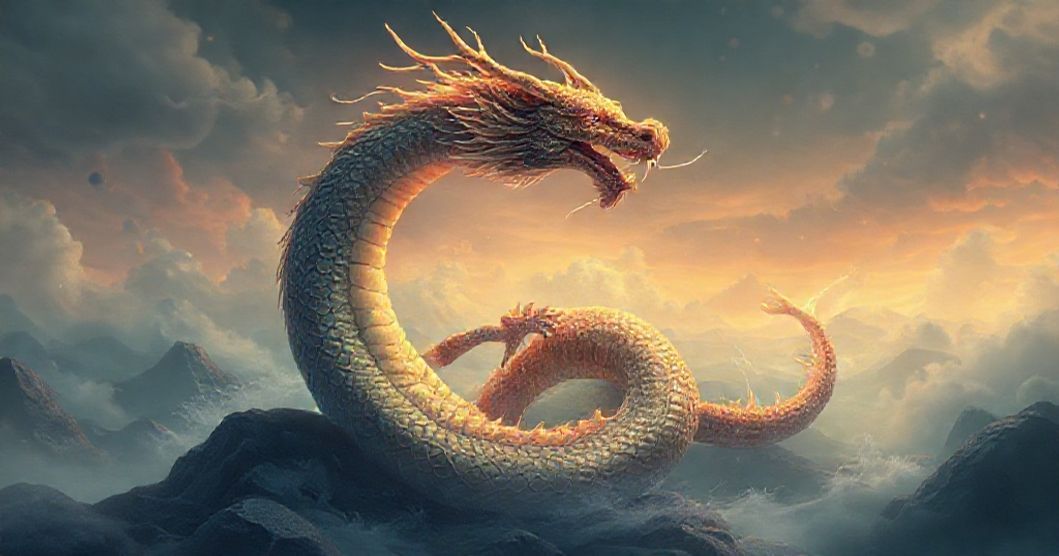
The dream itself unfolds with striking clarity: a creature resembling both a snake and a dragon (evoking childhood memories of Dragonball Z’s iconic golden dragon, though he hasn’t watched the series in decades) coils gently around his left wrist. Unlike mythic serpents of fear, this dragon exudes calm, its warm, scaled body wrapping around him in a protective embrace. Its ancient, wise eyes lock onto his, yet there is no threat—only steady companionship. The dreamer feels no fear, only a sense of quiet alliance, as if this dragon is a silent ally rather than an adversary. He describes it as a ‘sidekick,’ a presence that watches without judgment, accompanying him through shifting dreamscapes. This recurring vision, now analyzed through the lens of his recent therapeutic and medical journey, invites exploration into its symbolic meaning.
Part 2: Clinical Analysis
Want a More Personalized Interpretation?
Get your own AI-powered dream analysis tailored specifically to your dream
🔮Try Dream Analysis FreeThe Symbolic Landscape of the Wrist-Wrapping Dragon
The dragon/snake imagery in this dream carries multiple layers of meaning, rooted in both universal mythology and personal context. In many traditions, dragons symbolize transformation, wisdom, and hidden power—qualities that align with the dreamer’s journey of self-discovery. The snake, often linked to Ouroboros (the serpent eating its tail), represents cycles of renewal and integration, while dragons in Eastern traditions embody protective energy and spiritual awakening. Here, the creature’s gentle coiling around the wrist suggests a connection to the self: the wrist is a vulnerable yet pivotal area of the body, bridging the hand (action) and forearm (control). The dragon’s presence here may signify the integration of previously fragmented aspects of self—ADHD’s impulsivity, autism’s unique perspective, and the anxiety that once defined his experience—now coiled into a cohesive, supportive whole.
The Dragonball Z reference, though distant from the dreamer’s childhood, hints at a deeper cultural archetype: the dragon as a guardian or wish-granting entity. This connection to a pop-culture symbol may reflect the dreamer’s subconscious desire for empowerment—a wish fulfilled through his new medication and therapy. The dragon’s golden hue (a common color for protective dragons in mythology) further reinforces themes of illumination and self-acceptance.
Psychological Perspectives on Dreaming During Life Transition
From a Jungian perspective, this dragon represents the anima/animus archetype—an internalized masculine/feminine energy—now emerging in a balanced, integrated form. Jung viewed dragons as manifestations of the shadow—the unconscious aspects of self that need acknowledgment. Here, the dragon’s non-threatening, sidekick role suggests the shadow has been integrated rather than suppressed, a hallmark of successful therapy and medication management. The wrist’s intimate location underscores this: the dragon is not external but internal, coiled within the dreamer’s psyche as a reminder of his evolving identity.
Freudian theory might interpret the dragon as a sublimation of repressed emotions. For years, the dreamer struggled with social anxiety and self-doubt rooted in childhood experiences. The dragon, now visible and calm, could symbolize these once-repressed feelings transforming into a source of strength rather than fear. The medication’s role in this process is significant: SSRIs or stimulants often alter REM sleep patterns, potentially enhancing dream recall—a neurobiological factor that may explain the dream’s vividness during this period of adjustment.
Cognitively, dreams function as ‘problem-solving’ mechanisms, processing new information from therapy and medication. The dragon’s presence may represent the brain’s attempt to integrate fragmented self-knowledge into a coherent narrative: I am not just my diagnoses, but a being with strengths, purpose, and newfound agency. This aligns with cognitive behavioral therapy’s goal of reframing negative self-perceptions—a process the dreamer has actively engaged in.
Emotional & Life Context: Navigating Growth and Uncertainty
The dreamer’s recent positive life changes—improved sleep, therapeutic breakthroughs, and excitement for the future—create a psychological ‘container’ for this dragon imagery. Dreams during such periods often reflect the ego’s attempt to process growth without overwhelm. The dragon’s ‘sidekick’ role suggests the dreamer’s unconscious recognizes this newfound stability, offering a symbol of support rather than chaos.
His ADHD and autism diagnoses, while validating, have likely carried a history of self-doubt and social isolation. The dragon, as a non-judgmental companion, may represent the internal ally he’s been lacking—someone who sees his worth beyond his symptoms. The wrist’s location (a vulnerable yet active part of the body) reinforces this: the dragon is both protective and empowering, reminding him that his newfound clarity is not fragile but grounded.
The overthinking he describes—‘going down the rabbit hole of meaning’—reflects the ADHD brain’s tendency to hyperfocus, now channeled into dream interpretation rather than self-criticism. This shift from rumination to reflection suggests a healthy adaptation, with the dragon as a bridge between conscious and unconscious processing.
Therapeutic Insights: Honoring the Dragon’s Message
This dream offers three key therapeutic insights for the dreamer. First, the dragon’s presence signals a successful integration of self: it is neither a threat nor a distraction but a steady ally. The dreamer should lean into this symbol, using it as a touchstone for moments of anxiety or self-doubt. Journaling about the dragon’s color, movements, and his emotions when it appears can deepen this connection.
Second, the dragon represents untapped potential. Its coiled form suggests energy waiting to be expressed—perhaps through creative pursuits, social connections, or advocacy. The dream encourages him to explore these areas without fear, trusting his inner wisdom. Mindfulness practices, though initially challenging, could help him recognize when the dragon appears in waking life—a reminder of his inner strength.
Third, the dream invites him to honor the ‘in-between’ space of uncertainty. Rather than forcing answers, he can embrace the mystery, allowing the dragon’s symbolism to evolve naturally. This aligns with CBT principles: accepting that some meanings emerge over time, not in an instant. The dragon may be less about ‘what it means’ and more about how it makes him feel—a sense of safety, purpose, and belonging.
FAQ Section
Q: Could the dragon symbol represent my ADHD/Autism journey?
A: Absolutely. The dragon’s coiled, steady presence may reflect the internalized strengths gained through diagnosis and therapy, transforming once-overwhelming symptoms into a source of self-understanding.
Q: Is this just a medication side effect or a genuine subconscious message?
A: Both are plausible. Medication can alter dream recall, while the dragon likely reflects your subconscious integrating newfound clarity. The ‘sidekick’ nature suggests emotional resonance, not just biological cause.
Q: How do I distinguish between meaningful symbolism and overthinking?
A: Notice if the dragon evokes calm (meaningful) or anxiety (overthinking). Its non-threatening presence and your positive emotional response suggest it’s a sign of growth, not pathology. Journaling can clarify its role in your healing journey.