
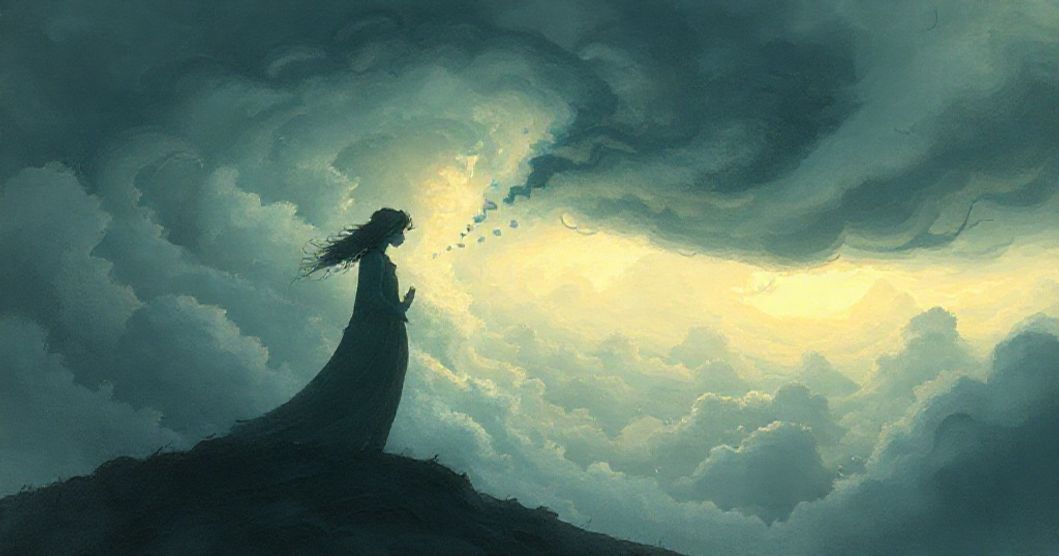
Core Symbols: The Storm, Whispers, and the Act of Sharing
In dreams, storms rarely appear as mere weather phenomena—they are emotional landscapes made visible. A tempest swirling beneath storm skies represents the internal chaos of unprocessed emotions, where clarity feels obscured by swirling anxiety or conflicting feelings. The act of sharing whispers within this tempest introduces a layer of vulnerability: the storm’s roar becomes a backdrop for fragile communication, suggesting that what we share may feel dangerous or uncertain. Whispers themselves carry symbolic weight as barriers between expression and connection—they hint at unspoken truths, fears of judgment, or messages we hesitate to voice in waking life.
The dynamic between the dreamer and the storm in these dreams often mirrors a relationship with one’s own inner world. Jungian psychology frames storms as manifestations of the shadow self—parts of ourselves we avoid acknowledging but that demand attention. When we share whispers with this storm, we’re not just communicating with the external world but engaging in a dialogue with our unconscious. Freud might interpret the storm as repressed aggression or unmet desires, while Jung would see it as a bridge between conscious and collective unconscious, where universal themes of transformation and rebirth reside.
Psychology Lens: The Science and Soul of Storm Dreams
Want a More Personalized Interpretation?
Get your own AI-powered dream analysis tailored specifically to your dream
🔮Try Dream Analysis FreeNeuroscience offers a concrete framework for understanding these dreams: during REM sleep, our emotional brain processes unresolved feelings, and the storm’s intensity often corresponds to heightened amygdala activity—the brain’s emotional processing center. Studies show that dreams with storm imagery frequently occur during periods of emotional regulation challenges, where our prefrontal cortex (responsible for rational thought) struggles to contain overwhelming feelings. The act of whispering amidst this chaos could represent our brain’s attempt to externalize internal dialogue we can’t fully articulate while awake.
Jung’s concept of the collective unconscious adds mythic depth: across cultures, storms are linked to transformative power. In Norse mythology, Thor’s tempests symbolize purging and renewal; in Celtic traditions, storm deities like Manannán mac Lir ruled over thresholds between worlds. These ancient interpretations remind us that our dreams of storms are not merely personal but part of a shared human language of transformation. When we whisper to a storm, we’re engaging with an archetype of emotional upheaval—a universal experience of facing life’s turbulent forces.
Modern psychology adds another layer: our digital age often creates ‘internal noise’ that mirrors storm imagery. The constant buzz of notifications, fragmented communication, and performative authenticity can leave us feeling like we’re ‘whispering’ in a world that demands shouting—our unspoken truths clash with the external pressure to perform clarity. This digital-age anxiety becomes the storm beneath our skies, making the act of sharing whispers in dreams a subconscious plea for authentic connection.
Life Triggers: When the Subconscious Whispers in Storms
These dreams often surface during periods of unexpressed tension. In professional settings, they may reflect workplace pressures—feeling like a ‘storm’ of expectations is brewing, and you’re struggling to voice concerns without being overwhelmed. In relationships, they might signal unspoken fears of rejection: sharing whispers could represent vulnerability in love or friendship, where the fear of judgment (the storm’s roar) drowns out your voice.
Personal milestones also trigger storm dreams: starting a new job, ending a relationship, or moving cities. These transitions create emotional turbulence that the subconscious processes through symbolic storms. Notice if you’re experiencing ‘whispering’ moments in waking life—are there conversations you’ve avoided, apologies unspoken, or dreams deferred? The storm becomes the emotional residue of these unaddressed tensions.
Digital overload amplifies these dreams too. Constantly curating online personas, comparing ourselves to others, or feeling ‘unseen’ in digital spaces can translate into the storm imagery—your inner world feels chaotic because your external self is fragmented. The act of sharing whispers in dreams then becomes a subconscious yearning to reconnect with your authentic voice amid digital noise.
What To Do Next: Navigating the Storm of Unspoken Truths
Short-Term Reflection: Listen to the Whispers
Start by journaling the details of your dream—what did the storm feel like? Was it gentle rain or a howling gale? What did you whisper, and to whom? Ask yourself: Is there a relationship or situation where I’ve felt the need to speak but hesitated? This reflection helps identify the emotional ‘whisper’ your subconscious is urging you to articulate.
Medium-Term Experimentation: Create Safe Spaces for Expression
Engage in activities that mimic the ‘whispering’ in your dreams—start small. Write a letter to someone you’ve been avoiding contact with, even if you never send it. Practice mindfulness meditation to observe storm-like emotions without judgment, allowing them to pass through you like rain. Notice if you can ‘share’ your inner storm with a trusted friend or therapist without feeling overwhelmed.
Long-Term Integration: Cultivate Inner Calm Amid External Storms
Develop practices that transform the storm into a creative force. Storm imagery in dreams often represents untapped energy—channel this into creative projects or physical activities that release tension (dancing, painting, or even gardening in a stormy metaphor). Over time, the goal is to recognize that storms are not just destructive but necessary for renewal, much like how your unspoken truths can become powerful if given voice.
FAQ: Navigating the Nuances of Storm Whisper Dreams
Q: Why do I feel both terror and comfort in these storm dreams? A: The storm’s duality reflects life’s paradoxes—chaos and safety often coexist. Terror may stem from fear of vulnerability, while comfort comes from recognizing your resilience in facing emotional turbulence. This balance mirrors real life’s mix of anxiety and strength.
Q: Are these dreams always negative? A: No—they can also signify emotional breakthroughs. The act of sharing whispers might represent a breakthrough in self-acceptance, where you’re finally acknowledging parts of yourself you’ve hidden. Positive storm dreams often feel less chaotic, with gentle rain or a rainbow appearing through the clouds.
Q: How do I tell if my storm dream is about a specific person or general anxiety? A: Focus on the dream’s emotional tone. If the storm feels personal (targeted at someone) or impersonal (surrounding you generally). Whisper content matters too—if you’re sharing a secret with a specific voice, it may relate to a relationship; if the ‘whisper’ is to the storm itself, it could reflect internal processing.