
Part 1: Dream Presentation
Dreams often serve as portals to the unconscious, revealing tensions that remain hidden beneath the surface of waking life. This particular nocturnal experience offers a compelling case study in how the mind processes both light and shadow, even when external circumstances appear uncomplicated. The dreamer recounts awakening at 3:57 a.m. from a nightmare that felt viscerally real, yet paradoxically, the dreamer did not wake in panic or tears—a significant detail suggesting the encounter held symbolic weight beyond mere fear.
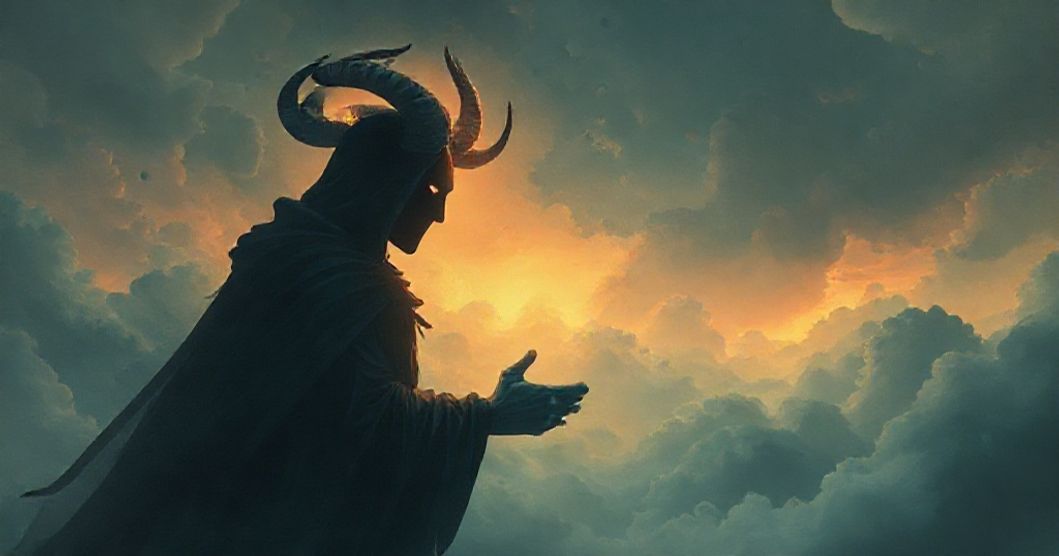
As the dreamer lay in the darkness, a semi-humanoid silhouette emerged from the corner of the room, its form indistinct like smoke caught in a spotlight. The horns, though not sharply defined, lent a demonic air, while the hollow eyes—described as the 'worst thing to look at'—exuded predatory intelligence. The figure’s movement was deliberate, as if testing the dreamer’s boundaries, and though communication occurred, the words dissolved into memory’s mist. Most striking was the abrupt handshake: an act of connection that shattered the dream, leaving the dreamer with a lingering sensation of a physical touch long after awakening. Despite a recent period of happiness with friends and an overall positive emotional state, this encounter with the horned figure has left the dreamer seeking meaning in its symbolic language.
Part 2: Clinical Analysis
Want a More Personalized Interpretation?
Get your own AI-powered dream analysis tailored specifically to your dream
🔮Try Dream Analysis FreeSymbolic Landscape of the Dream
The horned figure represents one of the most potent symbols in dreamwork: the shadow archetype. In Jungian psychology, the shadow is the unconscious repository of repressed thoughts, emotions, and aspects of the self we reject or fear. The horns, while traditionally associated with religious or mythological demons, take on a more universal meaning here—the curved protrusions symbolize the 'devilish' or disagreeable parts of ourselves that we project outward rather than integrate. The foggy, indistinct form reflects the dreamer’s own uncertainty about these hidden aspects, as they remain largely unacknowledged in waking life.
The eyes, described as the most terrifying element, serve as a gateway to the dreamer’s inner world. In dream symbolism, eyes often represent perception, insight, and the ability to see one’s true self. The hollow quality suggests a lack of authenticity or awareness in how the dreamer views certain aspects of their personality—perhaps areas of life where they feel disconnected from their values or intentions.
The handshake, though seemingly ordinary in waking life, takes on profound symbolic weight in this context. Handshakes typically signify agreement, connection, or power dynamics. Here, the handshake functions as a boundary-crossing moment: the dreamer is approached by the unknown figure and offered a connection that feels both threatening and inescapable. The lingering physical sensation of touch upon awakening indicates the emotional resonance of this boundary test, suggesting the dreamer’s unconscious is grappling with unresolved tensions around boundaries and self-protection.
Psychological Perspectives on the Dream
From a Freudian lens, the dream may represent repressed desires or conflicts that the dreamer has not fully processed. The demonic figure could symbolize socially unacceptable impulses or fears of losing control—a common theme in nightmares. The fact that the dreamer woke without overt panic suggests the unconscious is attempting to process these tensions in a symbolic, non-threatening manner.
Jungian psychology offers a complementary perspective, emphasizing the shadow’s role in psychological wholeness. The encounter with the horned figure represents the dreamer’s need to confront and integrate previously disowned aspects of self. The handshake, in this framework, symbolizes an agreement between the conscious and unconscious minds—a tentative pact to acknowledge these shadow elements rather than project them onto external threats.
Cognitive neuroscience provides another layer of understanding: dreams consolidate emotional memories and process daily experiences. The dreamer’s positive day with friends may have triggered a subconscious need to process boundaries or potential conflicts, as social interactions often involve complex power dynamics and self-expression. The dream’s timing near 4 a.m. aligns with REM sleep, when emotional processing intensifies, suggesting the mind is working through these social-emotional experiences.
Emotional and Life Context
The dreamer’s waking state—described as 'good mood the past month' and 'wonderful day with friends'—contrasts sharply with the nightmare imagery. This juxtaposition is not coincidental; dreams often arise from the tension between conscious contentment and unconscious unrest. The dreamer’s assertion of being 'not entirely religious' indicates the horned figure is not literal religious imagery but rather a psychological projection.
The contrast between external happiness and internal conflict suggests the dreamer may be experiencing a form of 'surface-level contentment' masking deeper concerns. Perhaps recent social interactions have highlighted areas where the dreamer feels pressured to conform or compromise, triggering the unconscious to create a symbolic 'devil' figure representing these unintegrated pressures. The handshake, then, could symbolize an uneasy agreement with these pressures—a recognition that the dreamer is unconsciously making deals with aspects of self they find threatening.
Therapeutic Insights
This dream invites the dreamer to engage in shadow work—a process of self-exploration and integration of previously rejected aspects. Journaling exercises focusing on the dream’s emotions (the cold dread, the hollow eyes) can help identify specific areas of life where the dreamer feels disconnected or afraid to be authentic.
Dream recall techniques, such as recording the dream immediately upon waking and noting sensory details, can strengthen the connection between the dream and waking life. Reflecting on recent social interactions—particularly moments where the dreamer felt pressured or unsure of boundaries—may reveal which aspects of self are being projected onto the 'horned figure.'
The lingering hand sensation suggests the need for intentional integration: the dreamer should ask, 'What aspects of myself am I avoiding that feel threatening?' and 'How can I reconcile my conscious values with these unconscious tensions?' By acknowledging the shadow rather than projecting it, the dreamer can transform this nightmare into a tool for self-understanding and growth.
FAQ Section
Q: Why did the figure have horns if the dreamer isn’t religious?
A: The horns symbolize the shadow self, not literal demonic imagery. They represent disagreeable or unintegrated parts of the dreamer’s personality that feel threatening to acknowledge.
Q: What does the handshake symbolize in a nightmare context?
A: The handshake represents an uneasy agreement with the unconscious—perhaps a boundary test where the dreamer feels pressured to engage with aspects of self they find threatening.
Q: How can the lingering hand touch be interpreted?
A: This physical residue reflects the emotional impact of the dream, indicating unresolved tension that requires exploration through reflection on boundaries and self-protection.