
Part 1: Dream Presentation
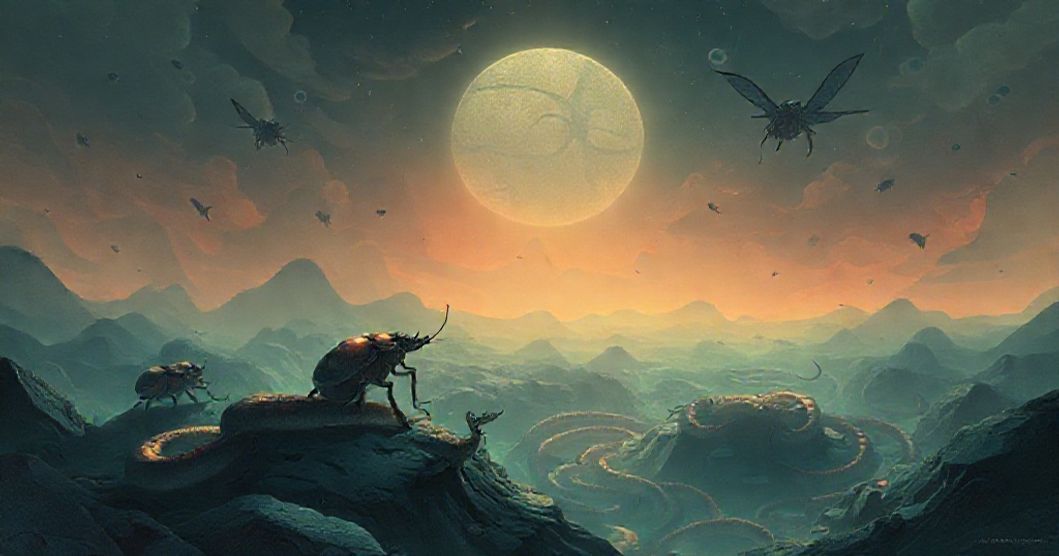
Dreams often serve as mirrors reflecting our deepest anxieties and unacknowledged truths, and this narrative weaves together two interconnected dreamscapes that reveal the dreamer’s complex emotional landscape. The first segment unfolds in the familiar setting of the childhood home, a place that materializes in dreams as a repository of safety and memory. The side yard, oak tree, and tire swing evoke nostalgic comfort, yet the scarab beetles emerging from the tree bark shatter this idyll with visceral fear. The dreamer, an INFP with a natural sensitivity to emotions, reacts authentically to these insects—her revulsion and panic mirror real-life phobias, suggesting these creatures symbolize something beyond mere arachnophobia. The inability to swat the beetles, hands passing through them, hints at a sense of powerlessness against overwhelming forces. The second dream transports us to an underground cave, where a non-human wizard figure offers guidance in a hidden library, suggesting a spiritual or existential quest. The snake pit, though terrifying, reveals a paradox: the snakes, while initially threatening, become a protective barrier, and the dark figure’s indifference to the offering hints at the unconscious’s silent communication. Finally, the grandmother’s house and family’s detachment underscore emotional isolation, framing the entire dream as a journey through fear toward self-understanding.
The Scarab Beetles: Unseen Threats and Childhood Nostalgia
The scarab beetles in the dream represent a fascinating blend of childhood memory and adult anxiety. In Egyptian mythology, scarabs symbolize rebirth and transformation, yet in this dream, they take on a more menacing tone. The setting—a mother’s house, a place of safety and comfort—contrasts sharply with the beetles’ appearance, suggesting that even in familiar environments, threats can emerge unexpectedly. The dreamer’s fear of bugs IRL (intentionally left lowercase for clinical tone) is literalized here, but the beetles’ transformation from tiny to enormous hints at how small anxieties can balloon into overwhelming fears when unaddressed. The act of warning her little brother suggests a protective instinct, possibly reflecting the dreamer’s desire to shield others from the same fears she experiences. The inability to swat the beetles through them symbolizes a deeper powerlessness against internalized threats—perhaps a sense that these anxieties cannot be easily controlled or eliminated, only navigated.
Want a More Personalized Interpretation?
Get your own AI-powered dream analysis tailored specifically to your dream
🔮Try Dream Analysis FreeThe Snake Pit: Hidden Truths and Protective Barriers
The underground cave and snake pit introduce a more complex layer of symbolism. Snakes universally represent transformation and the unconscious mind, and in this context, they take on dual roles: initially terrifying, they later become a protective barrier. The dreamer’s act of hiding among them suggests a willingness to engage with fear rather than flee from it—a crucial insight into the dreamer’s psychological approach to challenges. The wizard creature, clad in traditional magical robes, offers guidance in a hidden library, evoking Jungian concepts of the wise old man archetype—a symbol of wisdom and spiritual guidance. This figure’s role as a guide hints that the dreamer may be seeking direction in her waking life, particularly regarding her INFP personality’s tendency toward introspection and idealism. The dark figure, though threatening, accepts the offering without recognizing the dreamer’s hand, suggesting that the unconscious may act independently of conscious awareness, responding to deeper needs.
The Grandmother’s House: Family Dynamics and Emotional Isolation
The final scene in the grandmother’s house introduces a poignant commentary on family relationships. The dreamer’s tears and plea for recognition contrast with her family’s indifference—a powerful metaphor for how emotional pain can be dismissed or overlooked in waking life. This family dynamic may reflect the dreamer’s experience of feeling unheard or misunderstood, particularly given her sensitive INFP personality. The scarab beetles and snake pit thus become manifestations of internal turmoil, while the family’s detachment represents external validation issues. The dream’s progression suggests a journey from fear and anxiety toward a deeper understanding of self, with the family’s reaction highlighting the need for emotional acknowledgment.
Psychological Perspectives: Jungian and Freudian Frames
From a Jungian perspective, this dream reveals the shadow self—the scarab beetles as repressed fears, the snake pit as the unconscious mind’s protective mechanisms. The scarab beetle’s transformation mirrors the Jungian process of individuation, where the dreamer must confront and integrate these repressed elements. The INFP personality type, with its introspective nature, aligns with this psychological framework, as INFPs often process emotions internally before externalizing them. From a Freudian viewpoint, the scarab beetles could represent repressed sexual anxiety (given the beetles’ mating behavior), though the context of childhood home and family suggests a more universal fear rather than a specific sexual one. The snake pit, with its phallic imagery, might symbolize the fear of castration or powerlessness, but the protective snakes suggest a more complex dynamic of transformation.
Neuroscientifically, this dream sequence reflects the brain’s default mode network, where the unconscious processes emotional memories and unresolved conflicts. The rapid shifts between settings (home, cave, grandmother’s house) mirror the brain’s way of connecting disparate experiences into a cohesive narrative. The emotional intensity of the dream—fear, disgust, panic, sadness—aligns with REM sleep’s activation of the amygdala, the brain’s emotional processing center, suggesting the dream is a way to process unresolved emotions.
Emotional and Life Context: Connecting Dreams to Waking Life
The dreamer’s waking life likely involves themes of anxiety, particularly around social interactions and self-expression. As an INFP, she may struggle with feeling misunderstood, which manifests in the family’s indifference in the final scene. The mother’s house, a recurring location in dreams, suggests nostalgia for childhood safety—a time when she felt more connected to her environment and family. The fear of bugs in real life may symbolize a broader fear of the unknown or uncontrollable elements in her life. The snake pit, with its hidden dangers and transformation, could reflect the dreamer’s journey toward self-acceptance, where she must confront her fears rather than avoid them. The wizard’s guidance and the hidden library suggest a spiritual or creative quest, aligning with INFPs’ tendency toward idealism and meaning-making.
The recurring theme of being buried in snakes and beetles may symbolize feeling overwhelmed by responsibilities or expectations. The act of hiding among snakes and the family’s indifference suggests a desire for recognition that goes unmet—a common experience for sensitive individuals. The dream’s progression from fear to acceptance (hiding among snakes without harm) hints at a shift toward emotional resilience, where the dreamer learns to engage with fear rather than suppress it.
Therapeutic Insights: Navigating Fear and Self-Understanding
This dream offers several therapeutic opportunities for the dreamer. First, it highlights the importance of acknowledging rather than suppressing fears, particularly those related to the unknown. The scarab beetles and snakes, though terrifying, invite the dreamer to examine the roots of her anxieties—perhaps childhood experiences or current stressors that trigger these fears. Journaling about specific childhood memories connected to the mother’s house could reveal patterns of fear or protection that influence her current emotional responses.
Second, the dream suggests the value of engaging with the unconscious mind’s guidance. The wizard figure and hidden library symbolize the need to seek wisdom from within, particularly given the dreamer’s introspective nature. Practices like guided visualization or meditation could help her connect with this inner wisdom, building confidence in her ability to navigate life’s challenges.
Third, the family’s indifference in the final scene reflects the need for emotional validation. The dreamer might benefit from establishing healthier communication patterns, particularly with family members who may unintentionally dismiss her feelings. Creating safe spaces for vulnerability could help her feel more understood, reducing the emotional isolation suggested in the dream.
Finally, the snake pit’s protective nature suggests that fear can be transformed into strength. By embracing rather than fleeing from anxiety, the dreamer can develop resilience, a key trait for an INFP navigating life’s uncertainties.
FAQ Section
Q: What does it mean to be followed by scarab beetles in a dream?
A: Scarab beetles often symbolize repressed fears or anxieties that follow you, even if you try to escape them. They may represent childhood memories or unaddressed emotions that need integration.
Q: Why did the snakes protect me despite being terrifying?
A: Snakes in dreams can represent transformation and the unconscious. Their protective nature suggests you’re learning to work with fear rather than against it, finding safety in confronting your inner demons.
Q: How does the family’s indifference in the final scene relate to my waking life?
A: This likely reflects feelings of being unheard or misunderstood. It may signal a need to communicate your emotions more directly to loved ones, or to recognize that others’ responses don’t define your worth.