
Core Symbols: Navigating the Imaginary Seas of the Unconscious
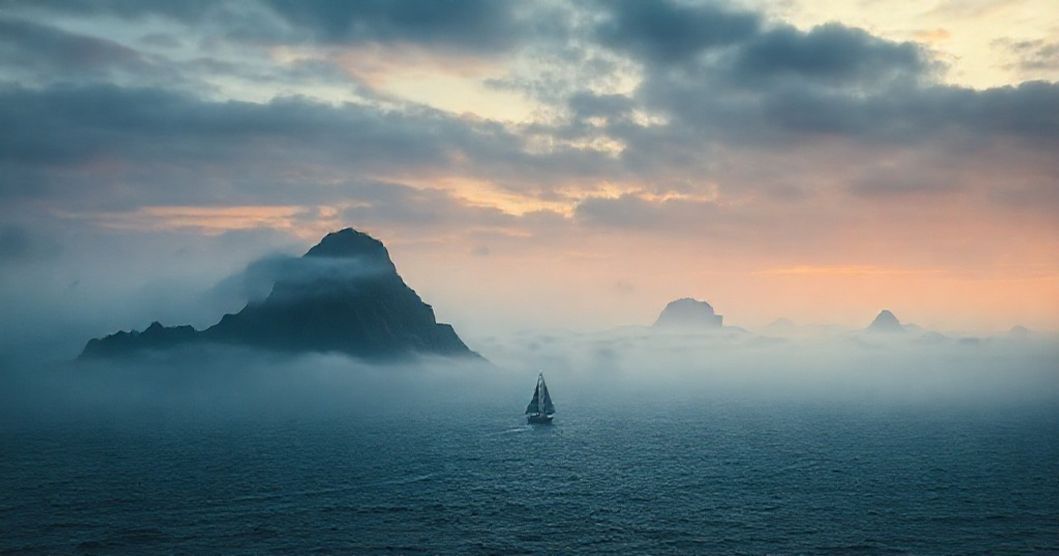
Sailing in dreams is rarely random; it often mirrors how you navigate life’s currents—whether with purpose or uncertainty. The act of steering a boat, adjusting sails, and charting a course reflects your subconscious approach to challenges and opportunities. In the context of “sailing past wolf islands,” the boat itself becomes a vessel of agency: are you in control, or is the sea guiding you? This tension between active navigation and surrender to forces beyond your control reveals deeper truths about your relationship with life’s unpredictability. The wolf islands, with their rugged, untamed appearance, emerge as powerful symbols of primal self—wild, untamed aspects of your psyche that demand attention. Unlike domesticated animals, wolves represent instinct, community, and the untamed edge of human nature. In dream imagery, islands often signify thresholds: places where the familiar meets the unknown, where you must confront or integrate new aspects of yourself.
The “wolf horizon” itself is a paradoxical symbol: horizons traditionally represent goals, aspirations, or future potential, yet the wolf adds a layer of primal urgency. Wolves are both hunters and hunted, pack animals and loners, embodying duality. In your dream, the horizon isn’t just a destination—it’s a living, breathing entity shaped by your deepest instincts. This duality suggests your subconscious is processing a situation where you must honor both your need for security and your hunger for growth. The sea, often a symbol of the unconscious in dreamwork, becomes the medium through which these primal forces interact: calm waters might indicate emotional stability, while stormy seas reflect inner turmoil.
Psychology Lens: From Jungian Shadows to REM Cycles
Want a More Personalized Interpretation?
Get your own AI-powered dream analysis tailored specifically to your dream
🔮Try Dream Analysis FreeFrom a psychological perspective, this dream aligns with Carl Jung’s concept of the “shadow”—the repressed or ignored parts of the self that often surface in dreams as primal symbols like wolves. Jung viewed such archetypes as messengers from the collective unconscious, urging integration of fragmented self-parts. The wolf islands, then, might represent shadow work in progress: areas of your life where you’ve avoided confronting difficult truths. Freud, on the other hand, might interpret the wolf as a manifestation of repressed desires or anxieties—perhaps fears of losing control, or the need to protect yourself from perceived threats. Neuroscientifically, dreams during REM sleep (when most vivid dreams occur) often consolidate emotional memories and process unresolved conflicts. The sailing narrative could reflect your brain’s attempt to “map” emotional terrain, using the metaphor of water and wind to organize complex feelings about change.
Culturally, wolves appear in mythologies worldwide as both guardians and tricksters: the Norse Fenrir, the Native American wolf as teacher, or the Japanese Okami as a symbol of transformation. In each tradition, wolves bridge the human and wild realms, suggesting your dream may be inviting you to honor both your civilized and instinctual selves. Consider the contrast between Jung’s emphasis on integration and Freud’s focus on repression: your dream’s “sailing” journey might represent the middle path—acknowledging the shadow without being consumed by it, much like a sailor respects the sea while steering toward a destination.
Life Triggers: When the Unconscious Calls You to Adventure
This dream rarely arises in isolation; it often responds to specific life shifts or emotional undercurrents. Career transitions, for example, can trigger such imagery: leaving a familiar professional “port” for uncertain waters, where “wolf islands” represent new challenges or unproven skills. Similarly, relational changes—ending a partnership or navigating new friendships—may manifest as sailing toward unknown horizons. The “wolf” element often intensifies when you feel your sense of self is being tested: perhaps you’re stepping into a new role, redefining your identity, or facing criticism that forces you to confront your authentic self.
Consider a recent scenario where you felt both drawn to and afraid of exploration: starting a new project, moving to a new city, or even questioning long-held beliefs. The dream’s repetition might signal that your subconscious is urging you to process these changes with both courage and discernment. Unlike static dreams, this sailing narrative thrives on movement, suggesting that you’re in a phase of active transformation—even if the destination feels unclear. The “wolf islands” could also represent people in your life who embody those untamed qualities: a friend who challenges your comfort zone, a mentor who pushes you to grow, or even a part of yourself you’ve neglected.
What To Do Next: From Dream to Daily Action
When this dream surfaces, it’s not just a symbolic story but a call to action. Start with short-term reflection: set aside 10 minutes daily to journal about recent life shifts, noting where you feel “sailing” toward uncertainty. Ask yourself: “Which aspects of my life feel like ‘wolf islands’ I’ve avoided?” This reflection helps identify the specific “untamed” areas needing attention. For medium-term experimentation, consider small risks aligned with your dream’s themes. If the wolf islands represent courage, try a new hobby or social interaction that pushes your comfort zone. If the sailing direction feels uncertain, experiment with setting tiny, achievable goals (e.g., “learn one new skill this month”) to build confidence in your ability to navigate change.
Finally, integrate these insights into daily life by creating rituals that honor both your adventurous and cautious sides: a morning walk to “chart your course” or a weekly check-in to assess alignment with your true values. Remember, the dream isn’t predicting the future—it’s inviting you to become the captain of your emotional journey, balancing the wisdom of your primal instincts with the clarity of conscious choices. The “wolf horizon” isn’t a destination to fear but a threshold to cross, where the wildness of your spirit meets the direction of your heart.
FAQ: Navigating the Nuances of Your Dream
Q: What if the wolf islands feel threatening in the dream?
A: Threatening wolf islands often reflect fear of confronting difficult emotions or responsibilities. This isn’t a warning but a signal to explore what feels “untamable”—journal about the emotions that arise when you think of these islands, and ask if they mirror real-life anxieties you’ve avoided.
Q: Does the direction of sailing matter in this dream?
A: Sailing toward wolf islands (not away) suggests active engagement with challenges. If you’re sailing from wolf islands, it may indicate leaving behind old patterns. Notice if the wind is steady or turbulent—this reflects how in control you feel of your current journey.
Q: How do I connect this dream to a specific life area?
A: Reflect on recent “islands” in your life: new opportunities, relationships, or responsibilities. The wolf islands often correspond to areas where you’re balancing protection (from the wolf’s instinctual nature) with exploration. Ask: “Where in my life do I need both courage and discernment?”