
Part 1: Dream Presentation
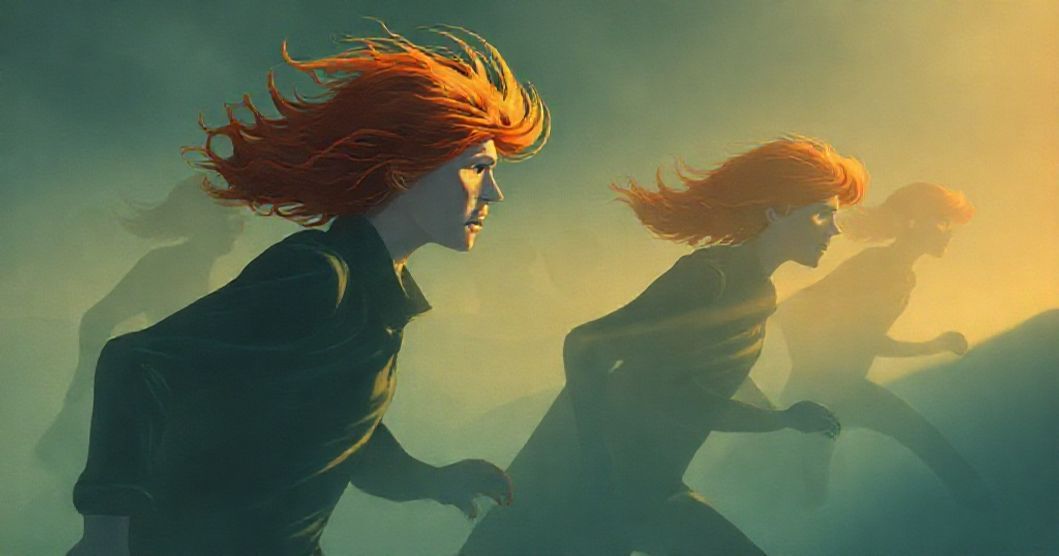
Dreams often serve as the unconscious mind’s way of processing unresolved emotions and anxieties, using symbolic imagery to communicate what words cannot. In this case, two vividly similar nightmares featuring ginger-haired pursuers reveal a recurring theme of pursuit and vulnerability. The first dream unfolds on a red carpet—a setting traditionally associated with public performance, success, and judgment—where a chauffeur with fiery red hair embodies frustration and rage. As the dreamer attempts to close the door to escape, reality warps: the door moves sluggishly, symbolizing an inability to avoid inevitable consequences. The subsequent flight to the bathroom, pursued in slow motion, and the fetal position defense highlight a primal response to perceived danger. The second dream shifts location to a nighttime neighborhood, where another ginger-haired figure reappears with a black bag—a symbol of mystery and loss of control. His calm yet sinister demeanor and the phrase “yes” in response to “no” suggest a violation of boundaries and a sense of inevitability.
The rewritten dream narrative preserves these core elements while adding sensory depth: the crisp red carpet, the chauffeur’s enraged posture, the weight of the black bag, and the visceral fear that permeates both scenarios. This recurring nightmare pattern, with its consistent adrenaline rush and sense of impending doom, signals deeper psychological currents at play.
Part 2: Clinical Analysis
Want a More Personalized Interpretation?
Get your own AI-powered dream analysis tailored specifically to your dream
🔮Try Dream Analysis FreeSymbolic Landscape of Pursuit
The recurring ginger-haired men represent a significant symbolic figure. In dream analysis, hair color often reflects personality traits or aspects of self: red hair, historically associated with passion, intensity, or “fire,” may symbolize a repressed aspect of the dreamer’s psyche. The pursuit itself is a universal archetype of the shadow self—the parts of ourselves we fear or reject. The chauffeur’s rage and the second man’s calm menace suggest two facets of this shadow: one volatile, one calculating. The red carpet setting introduces themes of public performance and societal expectations, where the dreamer feels pressured to conform or “perform” successfully. The limousine and chauffeur embody external authority figures or expectations that feel oppressive when unmet.
The door, which closes too slowly, symbolizes the dreamer’s struggle to create boundaries or escape a situation. The bathroom, a space of privacy and vulnerability, becomes a refuge that fails to protect, mirroring real-life experiences where attempts to hide or retreat prove ineffective. The fetal position, a primal protective stance, contrasts with the dream’s “slow motion” physics—here, the dreamer’s fear of vulnerability is literalized through the inability to move quickly or decisively. The black bag, in the second dream, represents the unknown or something forced upon the dreamer, with the phrase “yes” implying compliance with an unwanted outcome.
Psychological Layers: Jungian and Freudian Perspectives
From a Jungian perspective, these recurring figures likely represent the shadow archetype—the unconscious aspects of the self that feel threatening. The red-haired men may embody suppressed anger, ambition, or a part of the self that feels out of control. The “red carpet” scenario could reflect the shadow’s confrontation with the dreamer’s public persona versus private reality. In Jungian terms, the dream is urging integration of these shadow elements rather than continued avoidance.
Freudian analysis might interpret the pursuit as a manifestation of repressed desires or anxieties about power dynamics. The chauffeur’s rage could symbolize repressed anger or frustration toward authority figures, while the black bag represents forbidden impulses or a fear of being “packed up” or controlled. The “no” and “yes” dialogue suggests a conflict between resistance and acceptance, where the dreamer’s attempts to say “no” are overridden by an external force.
Neuroscientifically, the adrenaline rush and “near-death anxiety” suggest the amygdala’s activation of the fight-or-flight response, even in sleep. The dream’s slow motion and dream logic may reflect the brain’s attempt to process unresolved emotional conflicts during REM sleep, when emotional processing is heightened.
Emotional Context: Unconscious Fears in Waking Life
The recurring nature of these dreams indicates that underlying emotional themes remain unaddressed in waking life. The red carpet scenario may reflect performance anxiety or fear of public judgment, particularly if the dreamer feels pressure to meet societal expectations of success. The chauffeur’s rage could symbolize frustration with unmet expectations or a sense of being controlled by external forces.
The nighttime neighborhood setting introduces themes of isolation and vulnerability, suggesting the dreamer may feel unsafe or unprotected in certain aspects of daily life. The black bag, with its implication of being “taken” or controlled, hints at fears of losing autonomy or having personal boundaries violated. The ginger-haired figures’ consistent appearance across dreams suggests a persistent emotional pattern: the dreamer feels hunted or pursued by something within themselves or their environment.
Therapeutic Insights: Integrating the Dreamer’s Experience
This recurring nightmare offers an opportunity for self-reflection. The dreamer should explore areas of life where they feel pressured or controlled, particularly regarding public performance or societal expectations. Journaling about moments of feeling “chased” in waking life could reveal patterns of avoidance or unexpressed anger.
Practical exercises include: 1) Visualization of the red-haired pursuer as a shadow aspect, then imagining integrating this figure rather than fleeing from it. 2) Exploring the “yes” and “no” dialogue—when do we feel forced into compliance versus asserting boundaries? 3) Creating a safe space in waking life to practice the fetal position as a grounding technique, symbolizing self-compassion rather than fear.
The black bag, as a symbol of loss of control, suggests examining what aspects of life feel “forced” onto the dreamer and where they might reclaim agency. The red carpet, often associated with glamour and achievement, might be reframed as a stage where the dreamer can authentically express themselves rather than perform for others.
FAQ: Navigating Recurring Nightmares
Q: Why do the pursuers have ginger hair specifically?
A: Ginger hair in dreams often symbolizes intensity or “fire” within the unconscious. It may represent a specific aspect of self (passion, anger, or ambition) that feels threatening. The color’s uniqueness draws attention to this particular shadow element.
Q: What does the black bag symbolize?
A: The black bag represents the unknown or something oppressive that the dreamer cannot control. It may signify fears of losing autonomy, facing unexpected consequences, or having personal boundaries violated.
Q: How to differentiate between real threats and symbolic ones in dreams?
A: Dreams rarely predict literal danger but reflect emotional states. If the pursuer feels internal (not external), explore repressed emotions. If external, reflect on waking relationships or situations where boundaries feel violated. Journaling helps clarify which aspects need attention.