
Part 1: Dream Presentation
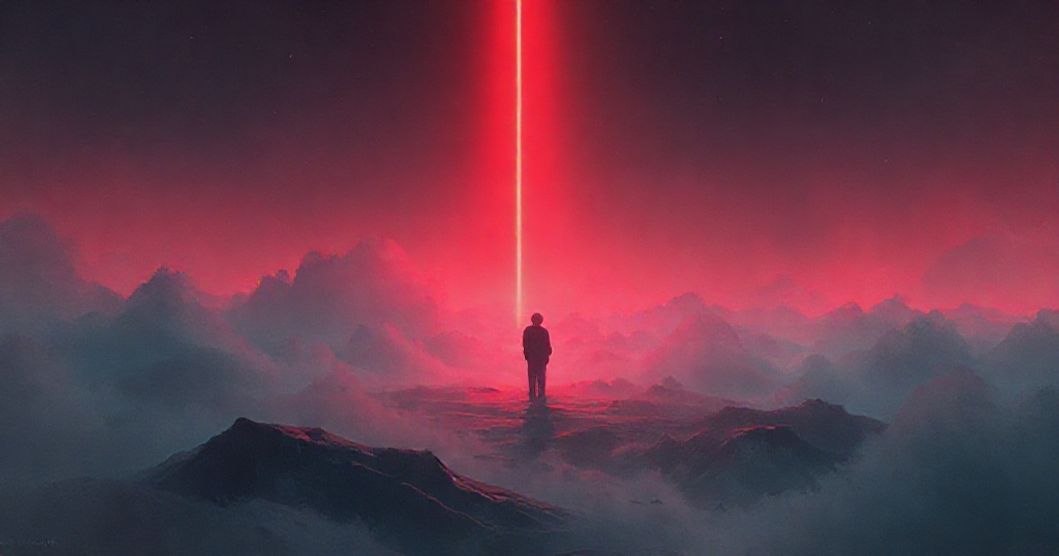
The transition from ordinary evenings to enchanted nights began with a simple purchase—a red light bulb that transformed a bedroom into a realm of amber-hued mystery. The dreamer describes this as more than a decorative choice; it became a catalyst for profound shifts in their sleep experiences. Since installing the bulb, they’ve endured nightly dreams—sometimes multiple per night—that feel clearer, more coherent, and emotionally charged than ever before. What began as a casual experiment with lighting has evolved into a nightly adventure of sorts, as the dreamer now anticipates rather than dreads sleep, curious about the parallel worlds unfolding under the crimson glow. Most striking is the recurrence of dream settings: revisiting familiar locations from past dreams, creating a layered, almost cinematic quality to the nocturnal journey. This narrative, rich with sensory details and emotional curiosity, offers a window into how external stimuli can intersect with internal psychological processes.
Part 2: Clinical Analysis
Symbolic Landscape: The Red Light as Illumination and Boundary Crossing
Want a More Personalized Interpretation?
Get your own AI-powered dream analysis tailored specifically to your dream
🔮Try Dream Analysis FreeThe red light bulb emerges as a powerful symbol of threshold crossing in this dream narrative. Red, in dreamwork, often represents the root chakra’s energy—passion, vitality, and the unconscious self—and its physical presence in the bedroom suggests a deliberate invitation to explore deeper psychological terrain. The consistency of dreams (daily, multiple per night) indicates a breaking of the usual unconscious silence, as if the red light has physically altered the dreamer’s relationship to their inner world. The recurring dream settings function like symbolic 'stations'—places that return but shift, mirroring the psychological process of revisiting unresolved themes while allowing for new interpretations. These aren’t literal repetitions but rather echoes of the unconscious, suggesting the dreamer’s mind is processing something significant through familiar yet evolving scenarios.
Psychological Perspectives: Jungian Archetypes and Neurocognitive Triggers
From a Jungian lens, the red light could be seen as a mandala—a symbol of wholeness—drawing the dreamer into the collective unconscious. The repetition of settings aligns with the concept of active imagination, where the psyche revisits important themes until they’re integrated. Freud might interpret the red light as a subliminal signal of repressed desires, manifesting through recurring dreams as a way to process unacknowledged emotions. Neurocognitively, the change in dream clarity suggests altered REM sleep patterns or increased theta brain waves—brain states associated with deep relaxation and memory consolidation. The red light’s warm wavelengths may influence melatonin production, enhancing REM cycles and thus dream recall. This combination of psychological and physiological factors creates a perfect storm for the dreamer’s intensified nocturnal experiences.
Emotional Resonance: Curiosity, Acceptance, and the Unconscious Call
The dreamer’s emotional response—curiosity rather than anxiety—reveals a key shift in their relationship to the unconscious. Before the red light, dreams were dismissed as random; now, they’re embraced as meaningful. This shift mirrors the broader psychological process of integrating the shadow: the red light, as a symbol of the unconscious, has illuminated aspects of the self that previously remained hidden. The recurring dream settings likely represent emotional 'homecomings'—places tied to unresolved memories or desires. The dreamer’s amusement at revisiting these spaces suggests a playful, non-judgmental stance toward their inner world, a posture that accelerates psychological growth. The red light’s role as both literal lighting and metaphorical 'illumination' underscores how external changes can catalyze internal exploration.
Therapeutic Insights: Dream Journaling and the Red Light as Gateway
The red light’s unexpected role as a dream facilitator offers valuable therapeutic lessons. For the dreamer, this experience highlights the power of intentional environmental cues to enhance self-awareness. Keeping a dream journal alongside the red light ritual could help map recurring themes, revealing patterns that might otherwise remain hidden. The act of revisiting dream settings invites the dreamer to ask: What themes am I returning to? This reflection process aligns with Gestalt therapy’s 'here-and-now' focus, encouraging the dreamer to engage with unresolved emotions in the present moment. For those experiencing similar dream changes, treating the red light as a 'dream incubator'—a symbolic space for the unconscious to express itself—can foster deeper self-understanding. Over time, the dreamer might find that these recurring settings hold messages about unprocessed experiences, relationships, or personal growth areas.
FAQ Section
Q: Is the red light literally causing the dreams, or is this a coincidence?
A: While the red light may influence sleep physiology (e.g., altering melatonin), the recurring dream patterns likely reflect the mind’s natural tendency to revisit significant themes. The light may simply have activated a latent dreamwork process.
Q: Why do the same settings reappear but with different stories?
A: Recurring settings often represent emotional 'anchors'—places tied to unresolved feelings. The shifting narratives suggest the unconscious is processing these themes through new perspectives, integrating past experiences into present understanding.
Q: How can I use this experience to enhance my waking life?
A: Treat recurring dreams as a form of 'nightly feedback.' Ask: What emotion or issue is my unconscious trying to communicate? Journaling and reflection can turn these nocturnal insights into waking action, fostering self-awareness and emotional intelligence.