
Part 1: Dream Presentation
Dreams often serve as the unconscious mind’s cryptic messengers, delivering symbols and emotions that resist waking logic. This particular dream narrative unfolds across two distinct yet thematically linked landscapes: a 19**-era train station and a modern prenatal clinic, both charged with the weight of anticipation and maternal protection. The dreamer finds herself in a liminal space—between past and present, memory and reality—where time warps, identities blur, and the body becomes a canvas for psychological truths.
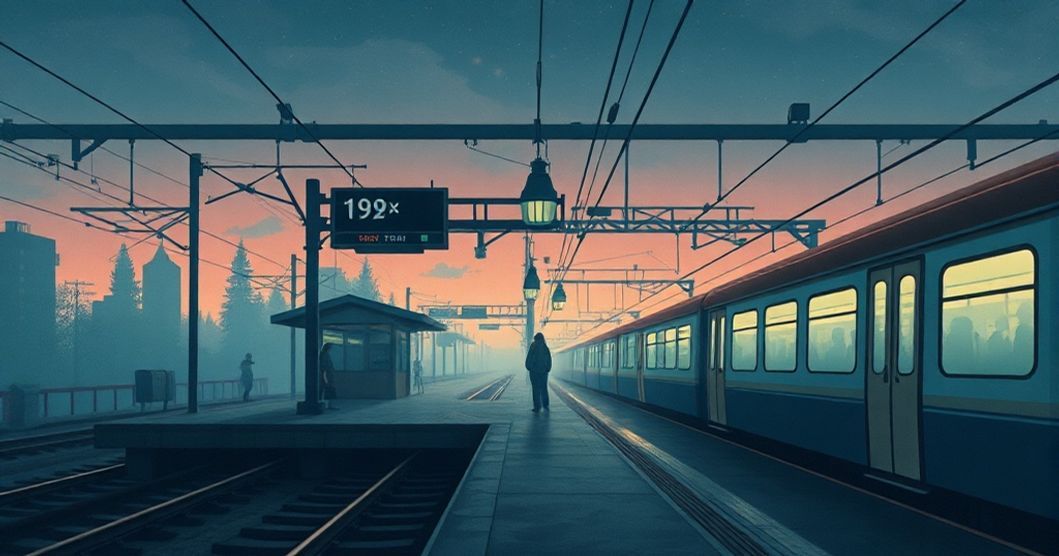
The dream begins in a train station bathed in the hazy light of an era coded by the partial year “19**.” The protagonist stands amid strangers in period-appropriate attire, her own modern maternity dress marking her as an outsider in this temporal landscape. She cradles her pregnant belly instinctively, a gesture that speaks to deep-seated maternal instincts or unacknowledged emotional pregnancy. An unseen voice calls out, its source obscured by the dream’s protective blur, while a man resembling her stepbrother—with a matching birthmark—haunts the periphery. The dream’s emotional core centers on this uncanny substitution: the stepbrother, a figure of familial tension, replaces her husband in the dream’s earlier iterations, creating a dissonance that feels both threatening and strangely familiar.
The dream’s evolution introduces a new setting—a medical facility or prenatal clinic—where the protagonist sits among other pregnant women awaiting care. Social distancing protocols and masked voices signal a modern context, yet the train’s arrival remains a unifying trigger. Here, the husband finally becomes recognizable, his face partially obscured by a cap, yet his voice and touch (a kiss on the forehead and belly) evoke relief. The white shirts of both men—once old-fashioned and formal, now modern and plain—mark the temporal shift, while the lighter skin tone of the “husband” in the new dream contrasts with the stepbrother’s darker complexion, suggesting a psychological differentiation between repressed and accepted aspects of self.
Want a More Personalized Interpretation?
Get your own AI-powered dream analysis tailored specifically to your dream
🔮Try Dream Analysis FreePart 2: Clinical Analysis
Symbolic Landscape: The Language of Dream Symbols
The train station in the dream functions as a powerful symbol of transition and unresolved time. Trains represent movement between states, yet their delayed arrival in these dreams suggests an emotional stasis—the dreamer remains caught between past and present, unable to fully resolve certain relationships or life transitions. The year “19**” is not merely a temporal marker but a cipher for the unconscious’s struggle with historical identity: the partial digits may represent a period of significant life change or a relationship that feels “stuck” in memory.
The clothing differences between the two men—old-fashioned vs. modern white shirts—reflect the dreamer’s internal evolution. The older, long-sleeved white shirt evokes duty, formality, or repressed familial expectations, while the modern, plain white shirt suggests integration of contemporary identity. This visual contrast mirrors the psychological process of shedding old patterns while retaining core truths. The stepbrother’s birthmark, identical to the “husband” in the dream, is a striking physical symbol of unconscious conflation—a merging of familial and romantic identities that the dreamer initially finds disturbing.
Psychological Undercurrents: Unconscious Conflict and Archetypal Patterns
From a Jungian perspective, this dream reveals the shadow self—the repressed or disowned aspects of the psyche. The stepbrother, a figure from waking life, becomes a shadow projection in the dream, embodying the dreamer’s unprocessed feelings about sibling rivalry, family loyalty, or unrequited bonds. The husband’s shifting appearance (darker to lighter skin tone) suggests a resolution process: the initial conflation of stepbrother and husband may represent the dreamer’s struggle to distinguish between familial duty and romantic love, while the return of the husband in the newer dream signals integration of these previously separate parts of self.
Freudian theory might interpret the dream’s pregnancy imagery as a manifestation of repressed maternal instincts or unresolved grief. The “medical facility” setting introduces themes of birth and rebirth, where the train’s arrival could symbolize the birth of new awareness. The unseen caller represents the dreamer’s unconscious urging for attention to unspoken needs, while the inability to see this figure’s face underscores the dreamer’s resistance to confronting these needs in waking life.
Emotional & Life Context: Unconscious Triggers and Waking Reality
The dream’s recurrence suggests it addresses a persistent emotional theme: the dreamer’s relationship with time, identity, and maternal role. The train station setting may reflect a period of life transition or uncertainty, while the medical facility represents active engagement with maternal responsibilities. The return of the dream after a period of dormancy hints at unresolved issues that demanded attention—perhaps a recent pregnancy, a shift in family dynamics, or a reevaluation of romantic relationships.
The stepbrother’s physical similarity to the “husband” in the dream likely stems from a complex family dynamic, possibly involving guilt, rivalry, or unexpressed attraction. The birthmark, a unique physical marker, becomes a powerful symbol of the unconscious’s persistence in merging these identities—a reminder that the mind often conflates people who represent similar emotional states, even when they appear distinct in waking life.
Therapeutic Insights: Integrating Dream Messages into Waking Life
This dream invites the dreamer to explore several key questions: What unspoken relationship needs remain unaddressed? How does the past (represented by 19) influence present choices? And what maternal or protective instincts are emerging in waking life? Journaling exercises focusing on the “19” year could reveal significant historical events or relationships tied to that decade.
Practical steps include exploring the emotional roots of the stepbrother-husband conflation—perhaps through gentle self-inquiry or therapy. The dream’s shift from train station to medical facility suggests a move from passive waiting to active engagement, urging the dreamer to embrace maternal responsibilities while honoring the past. Reflecting on the train symbol as a metaphor for life transitions can help the dreamer recognize when to “board” new opportunities and when to “remain” in reflection.
FAQ Section
Q: Why does the husband’s appearance change between dreams?
A: The husband’s shifting skin tone and features likely reflect the dreamer’s psychological differentiation between familial and romantic bonds, resolving the unconscious conflation of stepbrother and husband.
Q: What does the “19**” year symbolize?
A: The partial year suggests temporal ambiguity, representing a period of life transition or unresolved historical issues the dreamer carries into the present.
Q: How should I interpret the train’s recurring appearance?
A: The train symbolizes life transitions and the dreamer’s movement toward acceptance, with the “arrival” in the medical facility representing the birth of new awareness or emotional integration.