
Part 1: Dream Presentation
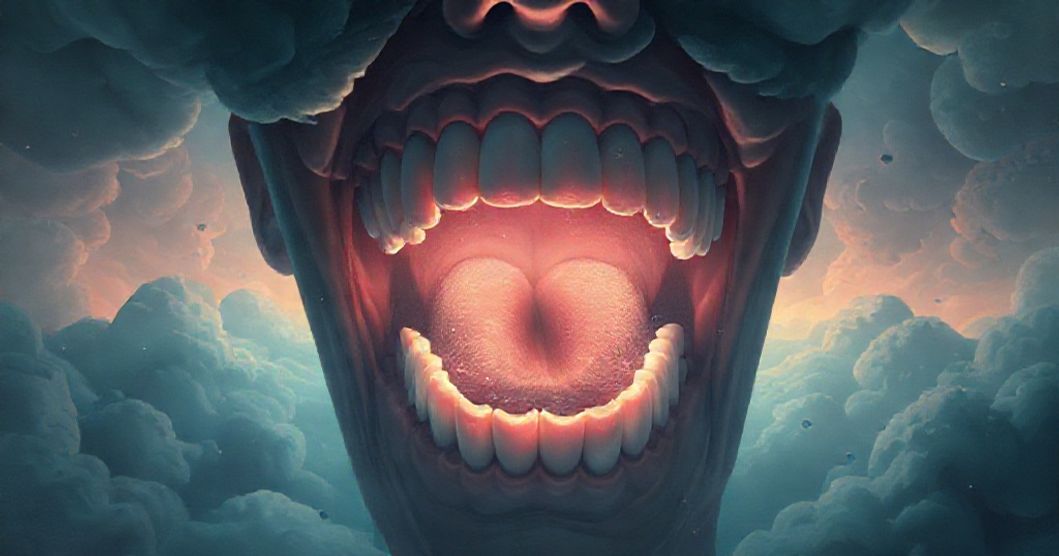
The body’s unconscious language often communicates through visceral dreams that mirror waking anxieties with striking clarity. In this case, the dreamer’s recurring nightmares—first of crumbling teeth and later of a jaw locked in an open position—emerge as a psychological response to a very real physical disruption: the loss of a temporary dental bridge during sleep. The narrative begins with the practical trauma of a dental implant failure, transitioning into symbolic imagery that transcends the physical realm. The dreamer describes teeth crumbling like sand, a sensation so vivid they can taste and feel the grit in their mouth, followed by the unsettling experience of a jaw that refuses to close, opening involuntarily while others watch in shock. This layered dreamscape reveals not just a fear of dental failure but a deeper concern about bodily control, communication, and vulnerability.
The rewritten dream captures these elements with sensory precision: the foreign feel of a detached bridge, the tactile horror of crumbling teeth, and the physical panic of an uncontrollable jaw. The narrative flows from the waking dental anxiety into the dream’s psychological manifestations, maintaining the first-person perspective that grounds the dream in personal experience while elevating it to a symbolic exploration of internal states.
Part 2: Clinical Analysis
Want a More Personalized Interpretation?
Get your own AI-powered dream analysis tailored specifically to your dream
🔮Try Dream Analysis FreeSymbolic Landscape: Dental Anxiety and Physical Discomfort
Dreams involving dental issues often serve as powerful metaphors for loss of control and vulnerability, particularly when rooted in real-life dental trauma. The crumbling teeth in this dream represent more than just a fear of physical decay; they symbolize the dreamer’s anxiety about losing something essential to their sense of self—perhaps confidence, security, or the ability to present themselves authentically. The sand-like texture of crumbling teeth introduces themes of disintegration and instability, suggesting that the dreamer feels their sense of identity is fraying at the edges.
The jaw locked in an open position introduces another layer of symbolic meaning. A jaw that cannot close represents an inability to contain or articulate one’s thoughts and emotions. In dream psychology, the mouth functions as a primary communication tool, so an uncontrollably open jaw may signify a fear of speaking one’s truth or being unable to express oneself effectively. The onlookers’ shocked expressions amplify this theme, suggesting the dreamer feels judged or misunderstood when attempting to communicate.
The physical realism of these dreams—from the taste of sand to the jaw pain upon waking—indicates that the unconscious is processing a genuine physical trauma. The dental bridge, a temporary fix for a permanent concern, may symbolize how the dreamer is trying to “fix” or present a false sense of stability in waking life, only to have it collapse unexpectedly. This mirrors the dream’s core tension between appearance and reality.
Psychological Undercurrents: Anxiety, Control, and Unconscious Communication
From a Freudian perspective, dreams like these can be seen as the “royal road to the unconscious,” revealing repressed anxieties. The crumbling teeth may represent oral fixation or unresolved conflicts around self-presentation—particularly relevant after dental work that altered the dreamer’s appearance. The dreamer’s anxiety about nighttime dental events (bridge loss) translates into a fear of losing control over bodily functions, a common theme in dreams.
Jungian analysis would interpret these elements through the lens of archetypal imagery. The jaw, as a central feature of the face, connects to the “anima” or “animus” archetype—the self-image and how one presents to the world. A locked jaw could symbolize the dreamer’s struggle to integrate their authentic self with societal expectations, while the crumbling teeth might represent the erosion of self-confidence when faced with imperfection.
Neuroscientifically, these dreams may reflect the brain’s attempt to process sensory information from real dental discomfort. The amygdala, responsible for fear responses, becomes hyperactive during REM sleep, amplifying the physical sensations of the dream. The jaw pain upon waking, a literalization of the dream’s anxiety, suggests the body-mind connection in processing unresolved stressors.
Emotional and Life Context: Waking Stressors and Unconscious Resonance
The dreamer’s waking context provides critical clues to its meaning. The dental bridge placement and subsequent loss during sleep create a direct link between physical trauma and psychological response. The anxiety of “losing teeth” in dreams often connects to fears of aging, loss of vitality, or professional/career insecurity—areas where appearance and functionality intersect.
The recurring nature of these dreams suggests a persistent emotional pattern. The dreamer’s description of “talking to someone” before the jaw locks open hints at social anxiety or fear of judgment. The onlookers’ scared expressions may reflect the dreamer’s perception of how others view their struggles with self-control or physical stability.
Nighttime jaw clenching or grinding (bruxism) is a plausible waking correlate. The body’s natural response to stress often manifests as unconscious physical tension, which the dream dramatizes as an uncontrollable jaw. This creates a feedback loop: waking stress causes physical tension, which causes dream anxiety, which reinforces waking stress.
Therapeutic Insights: Navigating Dream Anxiety
The first step in integrating these dreams is to address the waking anxiety driving them. For the dental component, consulting a dentist to ensure proper healing and stability of the bridge could reduce the physical trigger for the dreams. Addressing nighttime bruxism through mouthguards or relaxation techniques before sleep may also help disrupt the anxiety cycle.
Cognitive-behavioral approaches can help reframe the dream’s symbolic elements. The crumbling teeth, rather than representing failure, can be seen as a metaphor for resilience—needing to shed old “structures” to grow. The jaw lock, instead of a source of shame, might signal a need to practice assertive communication and self-advocacy.
Journaling exercises could help the dreamer process the emotions tied to these dreams. By writing down the dream details and associating them with waking experiences, patterns emerge. For example, noting when the dreams occur and what stressors preceded them can reveal specific triggers.
Mindfulness practices, particularly body awareness, can help break the cycle of anticipatory anxiety. Learning to recognize jaw tension before sleep and consciously releasing it can reduce the physical manifestations of the dream. Progressive muscle relaxation before bed may also address the unconscious clenching that fuels these nightmares.
FAQ Section
Q: Why do the dreams feel so physically real with sand-like teeth and jaw pain?
A: Dreams activate the same brain regions as real experiences, especially when anxiety is high. The “sand” sensation reflects the dreamer’s memory of dental material, while jaw pain mirrors the body’s response to stress-induced clenching.
Q: Could these dreams indicate a deeper psychological issue beyond dental concerns?
A: While dental trauma is a direct trigger, the recurring jaw lock suggests broader themes of control and communication. If the anxiety persists, exploring these themes in therapy could reveal underlying issues like social anxiety or fear of judgment.
Q: How can I differentiate between a harmless dream and a sign of psychological distress?
A: If dreams cause significant sleep disruption or waking anxiety, professional support is beneficial. Otherwise, they offer valuable self-insight. Keeping a dream journal helps track patterns and triggers.