
Part 1: Dream Presentation
Dreams often arrive as cryptic messengers, bridging the conscious and unconscious realms with symbolic language that defies literal interpretation. In this nocturnal narrative, a surprising encounter with a mythic figure would reveal unexpected truths about the dreamer’s inner landscape—a landscape grappling with power, fear of exposure, and the complex dance between intuition and action.
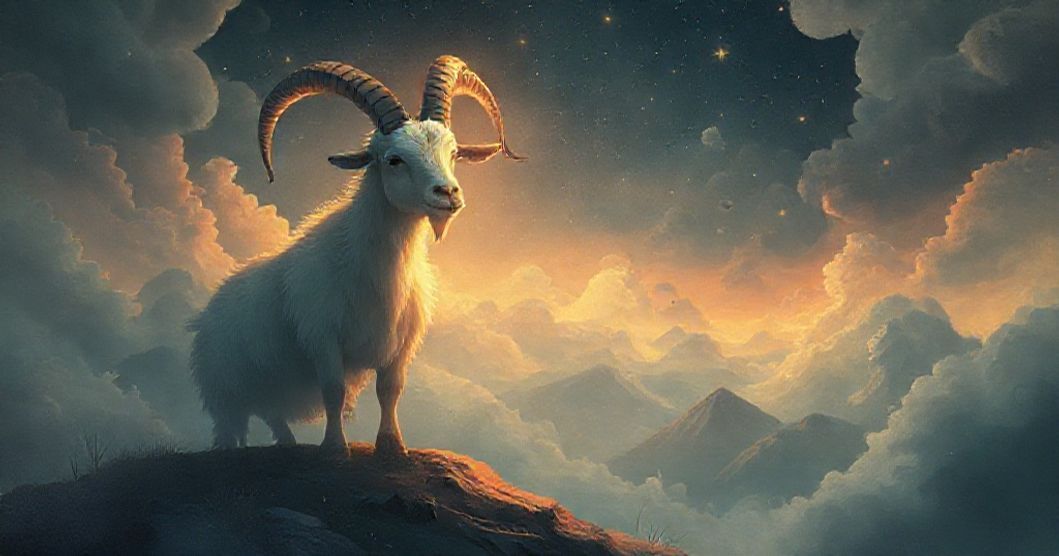
I found myself in a dimly lit room where shadows seemed to dance with purpose, yet clarity still eluded me. Suddenly, a goat materialized before me—not the ordinary farm animal I knew, but something ancient and knowing, its eyes glinting with intelligence beneath a coat of rich, chestnut fur. It stepped toward me with deliberate grace, and as it did, the air seemed to shift, carrying with it a faint earthy scent and the distant sound of wind chimes. "I see your restlessness," the goat said, its voice surprisingly human in tone yet carrying a resonant, almost musical quality. "You crave power to understand what lies ahead. I offer you the Goat’s Gift—the ability to glimpse the future." Its words hung in the air like a promise, and without hesitation, I felt a strange warmth spread through my chest, as if invisible currents were coursing through my veins. Instantly, my perception altered. I could see brief flashes of tomorrow: a friend’s unexpected success, a storm approaching hours before it hit, a hidden door opening in an alley I’d never noticed. The gift felt both exhilarating and disorienting, like learning to ride a horse for the first time—thrilling yet slightly terrifying.
With this newfound power, I embarked on a series of audacious acts. I used my foresight to "cheat" at a game of chance, turning a small bet into a fortune. I warned a stranger of an impending accident, narrowly avoiding disaster. I even rearranged my closet in a way that felt perfectly logical only in hindsight. Yet beneath the excitement, a sense of unease lingered. Then, without warning, a man I didn’t recognize appeared, his face stern and determined. "You’re using forbidden powers," he declared, his voice echoing in the room. "These aren’t ordinary gifts—they’re diabolical, tied to ancient forces you don’t understand." He brandished what seemed to be a glowing scroll, its surface crackling with energy, and began reciting words I couldn’t decipher. Panic flared, but I also felt a strange amusement. This was nothing like the serious threats I’d imagined. I dodged his accusations, using my future sight to predict his every move, and we engaged in a playful yet intense game of cat and mouse. In the end, I outmaneuvered him, leaving him sputtering in confusion, while I laughed—a mix of triumph and genuine enjoyment at the absurdity of it all. The dream ended as abruptly as it had begun, leaving me with a lingering question: What did the goat’s gift truly represent?
Want a More Personalized Interpretation?
Get your own AI-powered dream analysis tailored specifically to your dream
🔮Try Dream Analysis FreePart 2: Clinical Analysis
Symbolic Landscape: The Goat, Powers, and the Unconscious
The goat in this dream occupies a position of profound symbolic significance, drawing from both mythological traditions and psychological archetypes. In Jungian psychology, the goat often represents the trickster archetype—a figure who disrupts order, challenges conventions, and offers both wisdom and chaos. This aligns with the dream’s narrative of a transformative encounter that promises power while simultaneously labeling it "diabolical." The goat’s appearance in a dimly lit room suggests a meeting with the unconscious mind, where such paradoxical figures thrive.
The "goat’s powers" themselves symbolize the dreamer’s desire for control and understanding in an uncertain world. The ability to see the future represents not just literal prediction, but the deeper human longing to anticipate challenges, seize opportunities, and make sense of life’s unpredictability. The dreamer’s immediate use of these powers for "crazy stuff"—a playful, rule-breaking exploration of agency—reflects the youthful, untamed aspect of the psyche that craves freedom from constraints.
The conflict with the "random dude" trying to expose the dreamer introduces a crucial dynamic: the fear of exposure. This figure embodies societal judgment, moral panic, or internalized shame about using unconventional gifts. The label "diabolical" is particularly telling—it suggests the dreamer may view their own powerful insights as "forbidden" or "sinful" in some way, perhaps due to guilt over breaking norms or fear of rejection.
Psychological Perspectives: Layers of Interpretation
From a Freudian lens, the dream reveals repressed desires for power and control. The goat’s offer of powers could symbolize repressed sexual or aggressive impulses, while the future-seeing ability represents a wish to avoid negative outcomes or manipulate circumstances to one’s advantage. The "exposer" figure might embody the superego—the internalized voice of society that judges and condemns "immoral" behavior.
Jung’s analytical psychology offers a complementary perspective, emphasizing the dream as a compensation for the conscious self. If the dreamer feels overly rational or constrained in waking life, the goat’s gift represents the unconscious urging them to embrace intuition and spontaneity. The conflict with the exposer becomes a shadow encounter—the dreamer must confront and integrate the darker aspects of their personality that they fear.
Cognitive dream theory adds another dimension, suggesting dreams process information and solve problems from waking life. The "crazy stuff" the dreamer performs with future sight may represent how they’re currently navigating uncertainty, using intuition to make decisions without clear logic. The exposer’s accusations could mirror real-world anxieties about being "too different" or "too powerful" in professional or social settings.
Emotional & Life Context: Unpacking the Dreamer’s Inner World
The dream’s emotional arc—from exhilaration to playful confrontation—reflects a complex relationship with power. The initial thrill of using future-seeing abilities suggests the dreamer experiences freedom when embracing their intuition, yet the tension with the exposer hints at underlying fears of judgment. This duality might correspond to waking life stressors: perhaps the dreamer feels pressured to conform to expectations while simultaneously craving recognition for their unique talents.
The goat’s gift also speaks to the dreamer’s relationship with responsibility. The dreamer’s enjoyment of the conflict suggests they’re not overly burdened by guilt about using unconventional gifts, yet the label "diabolical" implies a nagging doubt about whether such power is morally acceptable. This internal struggle could stem from recent life changes, career transitions, or social pressures to "play by the rules." The "random dude" as a symbol of external judgment might reflect how the dreamer perceives others’ reactions to their bold choices.
Therapeutic Insights: Integrating the Dreamer’s Wisdom
This dream invites several reflective practices for the dreamer. First, journaling about moments when they feel "exposed" in waking life can reveal patterns of fear around their unique insights or talents. The goat’s trickster nature suggests the dreamer should embrace their unconventional gifts rather than suppressing them as "diabolical." Instead of seeing power as inherently dangerous, they might reframe it as a tool for positive transformation.
A practical exercise: create a "future vision board" using the dream’s imagery. Include symbols of the goat, the scroll (representing knowledge), and the playful confrontation. This visualization can help the dreamer reconnect with the exhilaration of their intuition while grounding it in positive action.
Long-term integration involves recognizing that "diabolical" labels are often projections of societal norms onto personal growth. The dream’s resolution—where the dreamer "had some fun"—suggests that power and responsibility can coexist with joy and playfulness. By acknowledging both the exhilaration and the fear, the dreamer can develop a healthier relationship with their own intuitive powers.
FAQ Section
Q: What does it mean when a goat appears in dreams?
A: Goats in dreams often symbolize the trickster archetype—chaotic wisdom that challenges norms. They represent untamed aspects of the psyche and the courage to embrace unconventional paths.
Q: Why do I feel both excited and scared about using my "powers" in waking life?
A: This duality reflects the tension between your desire for control and fear of judgment. The dream suggests your intuition is powerful, and the fear is natural—what matters is learning to wield it with intention.
Q: How can I tell if my dreams are telling me to embrace my uniqueness or hide my talents?
A: Dreams with trickster figures like goats encourage embracing rather than hiding. Notice if your waking life feels constrained—your intuition may be urging you to break free while remaining mindful of responsibility.