
Part 1: Dream Presentation
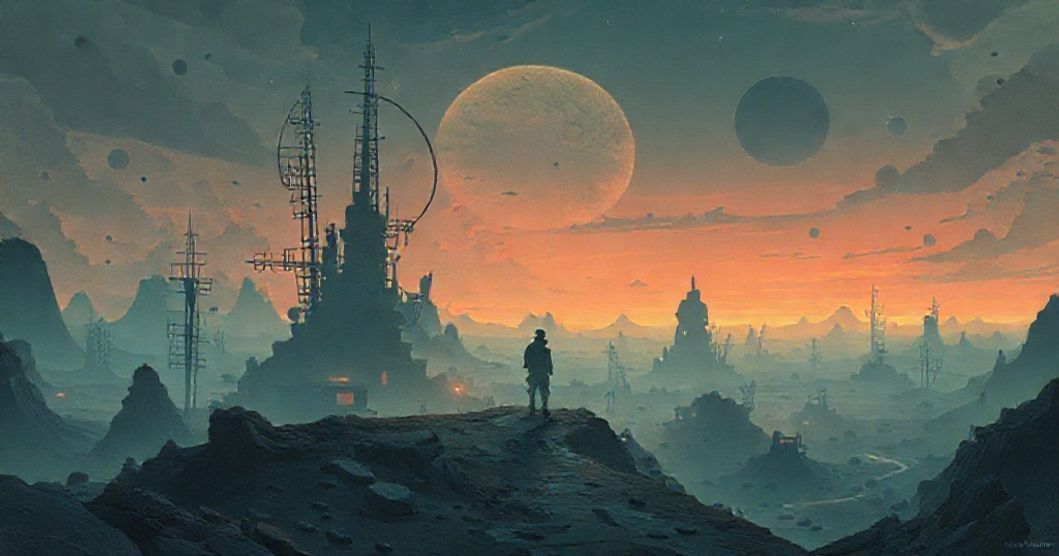
Dreams often serve as mirrors reflecting our deepest anxieties, and in this recurring nightmare, the dreamer confronts a world stripped of its former vitality—a post-apocalyptic landscape that feels both surreal and deeply personal. The rewritten dream narrative, with its visceral sensory details and emotional intensity, captures the dreamer’s experience of wandering a desolate realm where nature itself has been ravaged. The key elements—the orange-hued smog, black sludge oceans, skeletal trees, and hard, unyielding ground—create a symbolic framework of environmental collapse. The dreamer’s actions—searching for food and other survivors, breaking into abandoned structures, and the recurring pattern of dying and returning—reveal a psychological struggle with themes of survival, connection, and existential threat.
The dream’s narrative unfolds in a first-person perspective that emphasizes the dreamer’s vulnerability and desperation. The sense of time distortion—feeling like days of searching compressed into mere hours upon waking—highlights how intense emotional experiences can feel more protracted than their actual duration. The recurring nature of the dream, occurring nightly for two weeks, suggests a fixation on processing significant anxieties that have not yet been resolved in waking life.
Part 2: Clinical Analysis
Want a More Personalized Interpretation?
Get your own AI-powered dream analysis tailored specifically to your dream
🔮Try Dream Analysis FreeSymbolic Landscape of the Apocalypse
The post-apocalyptic setting in this dream functions as a powerful symbolic metaphor for various psychological states. The orange smog, for instance, represents environmental degradation and the pollution of emotional or psychological clarity—the dreamer may be feeling overwhelmed by external stressors or internal turmoil that has 'colored' their perception of reality. The black sludge oceans, once vital life sources, now stand as toxic barriers, symbolizing emotional numbness or the loss of life-giving connections in waking life. The skeletal trees, stripped of leaves and vitality, reflect a sense of spiritual or emotional barrenness, where the dreamer may feel disconnected from their own inner resources.
The hard, unyielding ground is particularly significant, as it embodies the dreamer’s perception of obstacles that feel insurmountable—whether practical challenges, relationship issues, or self-doubt. The act of searching for food and other people reveals a fundamental human need for sustenance, both physical and emotional. In dream symbolism, food often represents nourishment for the psyche, while other people symbolize connection and validation. The absence of both in this dream suggests a temporary disconnection from these essential needs.
The computer towers in the abandoned building introduce another layer of symbolism: technology’s remnants in a world that has lost its purpose. These once-essential systems now stand silent, representing the dreamer’s anxiety about technological advancement outpacing human values or control. The dreamer’s attempt to interact with these machines—reaching for a glowing panel—suggests a longing to reconnect with systems of meaning that have been lost.
Psychological Currents in the Dream
From a Jungian perspective, this dream may tap into the collective unconscious’s archetypal fears of destruction and rebirth. The post-apocalyptic scenario aligns with the 'Great Flood' or 'World Fire' myths, universal narratives of destruction followed by renewal. The recurring pattern of dying and returning in the dream reflects the Jungian concept of the shadow—parts of the self that feel threatening yet necessary for integration. The dreamer’s ability to die and then return in a new location suggests a process of psychological transformation, where the unconscious is attempting to process overwhelming emotions by temporarily 'letting go' and then re-emerging with new insights.
Freudian theory might interpret this dream as a manifestation of repressed anxieties related to survival and control. The search for food and connection could represent unmet needs in waking life, while the collapse of civilization symbolizes fears of losing control over one’s environment or life circumstances. The dream’s emphasis on the dreamer’s vulnerability and powerlessness—being hunted, trapped, and ultimately dying—may reflect unresolved childhood fears of abandonment or powerlessness, now reactivated in the context of adult responsibilities and uncertainties.
Neuroscientifically, the dream’s intensity can be understood through the brain’s default mode network, which activates during sleep and processes emotional memories. The recurring nature of the nightmare suggests that the brain is attempting to consolidate emotional memories related to stressors, perhaps from recent news about climate change, technological disruptions, or personal losses. The dream’s immersive quality, with its vivid sensory details, indicates that these memories are emotionally charged and require processing.
Emotional Resonance and Waking Context
The dream’s emotional tone—horrific, panicking, and desperate—reflects the dreamer’s current state of anxiety and emotional overwhelm. The recurring nightmares over two weeks suggest that the dreamer is processing significant stressors that have not been adequately addressed. Possible waking triggers include environmental concerns (e.g., climate change news), technological anxieties (e.g., job uncertainty, AI developments), or relationship issues that feel like 'collapses' of connection.
The cyclical pattern of dying and returning in the dream may represent the dreamer’s attempt to face their fears without resolution, a common pattern in nightmares. The dreamer’s panic upon waking, thinking they've overslept, reflects a deep-seated fear of time running out or missing opportunities—a theme that often emerges when we feel overwhelmed by responsibilities or uncertain about the future.
The dream’s focus on searching for others and food suggests a longing for connection and validation that may be missing in waking life. The dreamer might be feeling isolated, disconnected from community, or uncertain about their place in the world—a sense of being adrift in a 'post-apocalyptic' life where familiar supports have disappeared.
Therapeutic Insights and Integration
This recurring dream offers the dreamer an opportunity to explore their relationship with anxiety and uncertainty. The first step is to recognize the dream as a communication from the unconscious, not a prediction of doom. Journaling about the dream’s details—especially the emotions it evokes—can help identify patterns in waking life that need attention.
Creating a 'safety ritual' before sleep might help disrupt the nightmare cycle. This could include writing down three things to be grateful for, practicing deep breathing, or visualizing a peaceful place. These small acts of control can help reduce the sense of powerlessness that permeates the dream.
Exploring the environmental and technological themes in the dream can reveal specific areas of concern. If climate anxiety is a factor, the dreamer might benefit from engaging with environmental advocacy or education to feel empowered rather than overwhelmed. For technological anxieties, reflecting on how technology serves or hinders their sense of purpose can provide clarity.
The recurring pattern of dying and returning in the dream suggests resilience beneath the surface. The dreamer’s ability to survive multiple iterations of the nightmare indicates an inner strength that can be harnessed in waking life. Practicing mindfulness to stay present in the moment, rather than fixating on future fears, can help transform the dream’s anxiety into actionable steps.
FAQ Section
Q: Why do post-apocalyptic dreams feel so intense and long?
A: Dreams activate the same brain regions as waking life, creating immersive experiences. The 'long' feeling reflects emotional intensity over real time, and the recurring nature suggests unresolved anxieties needing processing.
Q: Is there meaning in dying and returning in the dream?
A: This pattern often represents resilience and the unconscious’s attempt to process overwhelming emotions without triggering full-blown panic attacks. It may also indicate a need to confront fears repeatedly until they lose power.
Q: How can I differentiate between my dream and real anxiety?
A: Dreams reflect emotions, not predictions. If anxiety persists during waking hours, journal about triggers. Grounding techniques (5-4-3-2-1 method) can help separate dream anxiety from real stressors. The dream’s message is to acknowledge, not suppress, these feelings.