
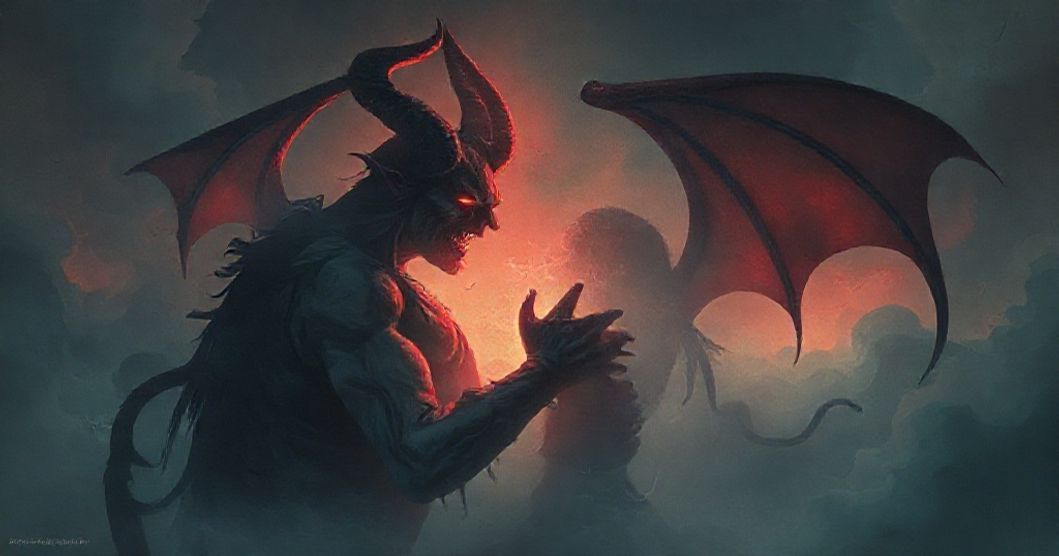
Part 1: Dream Presentation
Dreams often serve as the unconscious’s language, using symbolic imagery to communicate emotions and conflicts that remain unspoken in waking life. In this case, the recurring nightmare presents a narrative journey that shifts from apparent safety to overwhelming terror, mirroring how psychological distress can unfold in layers. The dream begins in a field—a space traditionally symbolic of potential, growth, and open possibility in dreamwork—where the dreamer’s path intersects with a figure who initially offers connection. This benevolent invitation quickly curdles into recognition and transformation, revealing the figure as a demon. The transition to an abandoned building amplifies the sense of decay and entrapment, while the endless torture and inability to wake suggest a cycle of psychological torment that feels inescapable.
The rewritten dream narrative preserves all core elements: the recurring nature of the nightmare, the field setting, the deceptive invitation, the recognition of the demon, the transition to an abandoned building, the demonic torture, the inability to awaken, the visceral pain, and the physical manifestations upon waking. These details create a cohesive psychological drama that demands exploration.
Part 2: Clinical Analysis
Want a More Personalized Interpretation?
Get your own AI-powered dream analysis tailored specifically to your dream
🔮Try Dream Analysis FreeSymbolic Landscape: The Field, the Demon, and the Abandoned Building
The field represents a threshold space in dream psychology—a liminal realm where conscious and unconscious meet. Its open expanse symbolizes untapped potential but also vulnerability, as there are no clear boundaries to contain threats. The man’s initial benign appearance embodies the shadow archetype described by Carl Jung: the unconscious aspect of self that remains unintegrated, often appearing as a familiar yet threatening figure. When the dreamer recognizes him, she is confronting this shadow directly—her mind’s attempt to name what it senses but cannot yet articulate.
The transformation into a demon signals the shadow’s true nature: not necessarily evil, but a representation of repressed aspects of self that have not been acknowledged or integrated. Jung emphasized that the shadow contains both positive and negative traits; its demonic form here suggests the negative projection of these unprocessed elements. The abandoned building functions as a psychological “womb of fear”—a space of decay where the dreamer’s defenses have crumbled. Its emptiness and darkness symbolize the inner void created by avoiding uncomfortable truths.
The endless torture in the dream reflects the cyclical nature of unresolved conflicts. When the dreamer cannot wake, it represents psychological paralysis—a state where old patterns persist despite conscious efforts to change. The physical sensations of pain and “bruises/blood” upon awakening bridge the gap between dream and reality, suggesting that emotional distress is manifesting as somatic symptoms, a common phenomenon in trauma-related dreams.
Psychological Currents: Jungian, Freudian, and Modern Perspectives
From a Jungian perspective, this dream illuminates the process of individuation—the journey toward self-integration. The recurring nature indicates an unprocessed shadow element that demands attention. The demon is not an external evil but an internal projection of repressed aspects of the self that have become alienated. The inability to wake could represent the dreamer’s resistance to facing these shadow parts, choosing instead to remain in the safety of denial.
Freudian analysis would likely focus on repressed desires and childhood conflicts, suggesting that the demonic figure represents a forbidden impulse or threat. The field as a place of “potential” might symbolize repressed sexual energy, while the transformation into a demon could represent the fear of acting on those impulses. The abandoned building, with its echoes of childhood trauma or unexpressed anger, might house repressed memories that surface in symbolic form.
Modern neuroscience offers another lens: the dream’s structure resembles REM sleep’s activation of the amygdala, the brain’s threat-detection center. The repetitive nature suggests that the amygdala is stuck in a threat response loop, possibly due to unresolved stress or trauma. The inability to wake could reflect the brain’s attempt to process emotional overload, prioritizing survival mode over consciousness.
Emotional and Life Context: Unresolved Fears and Trapped Identity
The recurring nature of this nightmare implies that the dreamer is grappling with a fundamental conflict—perhaps related to trust, self-identity, or fear of betrayal. The initial invitation to walk might represent a situation in waking life where she felt vulnerable to manipulation or deception. The demon’s recognition could signify a person or situation she has unconsciously labeled as dangerous, triggering a protective response.
The abandoned building might symbolize a career, relationship, or belief system that has become spiritually or emotionally “abandoned.” The endless torture could reflect feelings of being trapped in unfulfilling roles or relationships, where the dreamer feels powerless to escape. The physical manifestations upon waking—bruises and blood—suggest that this emotional entrapment is taking a toll on her sense of self-worth and vitality.
It’s possible the dreamer is experiencing a period of transition, facing choices that feel risky or uncertain. The field represents new opportunities, while the demon represents the fear of failure or the judgment of others. The inability to wake could indicate a psychological defense mechanism: avoiding confrontation with difficult truths by remaining in a state of denial.
Therapeutic Insights: Confronting the Shadow and Breaking the Cycle
For the dreamer, this recurring nightmare offers an opportunity for self-reflection. The first step toward healing is acknowledging the shadow elements represented by the demon. Journaling could help identify waking situations where she feels similarly trapped or betrayed, as these might mirror the dream’s themes.
Lucid dreaming techniques could be useful: learning to recognize the dream state and exert control within it. In the dream, the dreamer could practice asserting agency—perhaps by refusing the demon’s invitation, or by transforming the abandoned building into a space of safety. This would help rewrite the narrative in the unconscious mind.
Therapeutic approaches like EMDR or cognitive-behavioral therapy could address the underlying trauma or anxiety fueling the nightmare. By processing the emotions associated with the shadow figure, the dreamer can integrate these previously repressed aspects into a more whole sense of self.
Daily practices of mindfulness and self-compassion might reduce the dream’s intensity. By cultivating awareness of the present moment, the dreamer can create psychological distance from the nightmare’s themes, weakening the unconscious’s grip on these fears.
FAQ Section
Q: Why does the dreamer recognize the man as a demon so quickly?
A: Recognition signals the unconscious’s attempt to name what feels threatening. This could reflect a waking awareness of a person or situation that triggers fear, even if not fully acknowledged.
Q: What does the inability to wake up symbolize in this recurring nightmare?
A: It represents psychological paralysis—avoidance of confronting difficult emotions or making necessary changes, leaving old patterns to repeat unconsciously.
Q: How can the dreamer differentiate between real pain and dream pain?
A: Physical sensations upon waking (bruises/blood) often reflect the intensity of the emotional experience. Keeping a dream journal helps track patterns, while grounding exercises in waking life can reduce the “stickiness” of these nightmares.