
Part 1: Dream Presentation
Dreams often serve as emotional barometers, reflecting our deepest vulnerabilities and unprocessed experiences in symbolic form. This particular dream arrives as a haunting narrative that weaves together themes of entrapment, protection, and overwhelming forces—all set against the backdrop of a fractured personal reality. Here is the dream as experienced and reimagined with poetic precision:
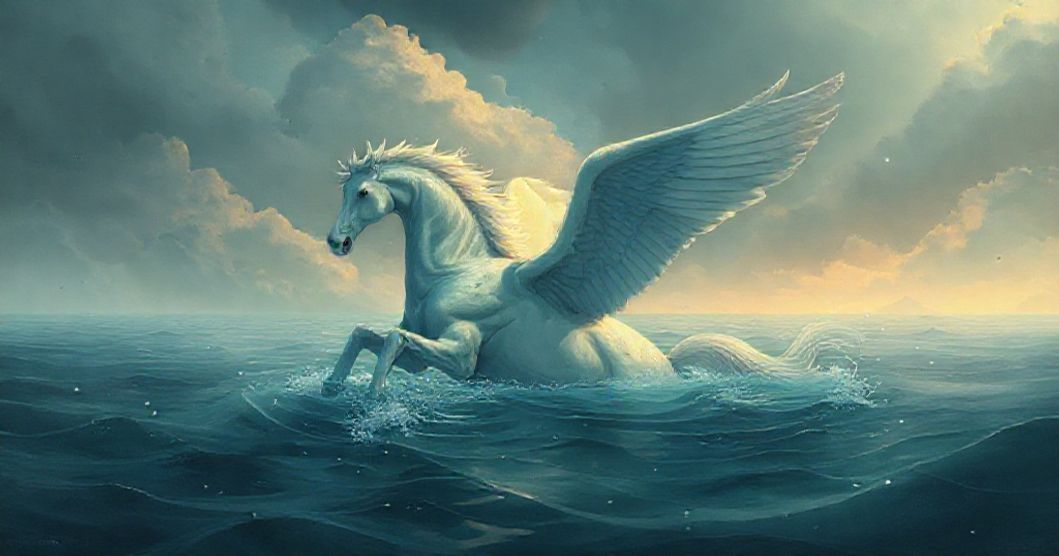
Two years ago, I experienced a profoundly vivid dream that has never left my consciousness—a journey through a castle’s shadowed halls, ascending endless staircases toward a chamber crowned by a glass ceiling. I was not a willing participant; an invisible force propelled me upward, my feet moving against my will as if tied to invisible strings. Around me, other figures shuffled silently, their faces indistinct, yet I sensed their presence as a collective weight of unspoken tension. At the summit, we entered a theater-like room bathed in diffused light, its architecture blending old-world grandeur with a sense of inevitable fragility. The glass ceiling, though transparent, felt like a fragile barrier between me and the sky beyond. In the center of this space, atop what appeared to be a raised platform or stage, stood a magnificent white Pegasus—a creature of mythic grace and ethereal beauty. Its wings, though folded, seemed to shimmer with an otherworldly radiance, yet beneath that aura, I detected a subtle tension. Then, without warning, a commotion erupted. The air crackled with urgency, and I found myself shouting, 'Noooo, don’t kill him!' My voice trembled with desperation as I lunged forward, though my body remained rooted in place. In that instant, the glass ceiling shattered like brittle crystal, and water poured in torrents—cold, relentless, and overwhelming. The flood surged toward the Pegasus, submerging its legs, its body, as it struggled to stay afloat beneath the churning waves. I watched, paralyzed, as the once-majestic creature fought for breath, its wings drooping under the weight of the water. The dream then transitioned abruptly to a different scene: a rushing stream where the floodwaters had transformed the castle grounds into a submerged landscape. I walked among survivors, their faces blurred and expressions stoic, all moving forward with silent determination. The water lapped at my ankles, cold and insistent, as if the dream had shifted from a moment of destruction to a struggle for survival in its aftermath.
Part 2: Clinical Analysis
Want a More Personalized Interpretation?
Get your own AI-powered dream analysis tailored specifically to your dream
🔮Try Dream Analysis FreeThe Symbolic Landscape of the Dream
The dream’s architecture is rich with symbolic elements that reflect the dreamer’s internal emotional terrain. The castle itself functions as a powerful symbol of both protection and confinement—a paradoxical space where safety and vulnerability coexist. Castles often represent the psyche in dream imagery, with their towering walls symbolizing barriers against external threats, while their enclosed spaces can also signify internal restrictions or emotional entrapment. The forced ascent to the castle’s highest point suggests the dreamer’s sense of being pressured into confronting something they cannot escape, even as they resist the journey. This mirrors the real-life pressures of trauma recovery, where the dreamer finds themselves navigating a world that feels increasingly overwhelming.
The glass ceiling represents another layer of symbolic meaning. Glass, by its nature, is both transparent and fragile—a perfect metaphor for the dreamer’s emotional state: exposed yet attempting to maintain a facade of strength. The theater-like setting, with its stage and audience, introduces themes of performance and being watched, possibly reflecting the dreamer’s sense of being on display during their life’s most vulnerable moments. The white Pegasus, a creature of mythological significance, embodies hope, freedom, and spiritual elevation. In classical mythology, Pegasus is often linked to inspiration, transcendence, and the ability to rise above limitations. Here, the white color adds purity and innocence, suggesting the dreamer’s yearning for something untainted amid life’s chaos. However, the Pegasus’s vulnerability in the face of the flood introduces a tragic dimension: the dreamer’s hope is not just threatened but actively being destroyed.
The shattering glass ceiling and subsequent flood represent the collapse of protective barriers and the unleashing of overwhelming emotional forces. Water in dreams typically symbolizes emotions—both the depth of feeling and the potential for drowning in them. The suddenness of the glass shattering suggests that the dreamer’s emotional defenses, which had been holding against trauma and relationship turmoil, are failing. The flood itself becomes a force of destruction, submerging the once-majestic Pegasus—a powerful image of the dreamer’s struggle to protect something precious (their hope, their sense of self, or a relationship) amid forces beyond their control.
Psychological Perspectives on the Dream
From a Jungian perspective, the dream reveals the interplay between the conscious and unconscious mind—a battle between the ego’s attempt to maintain control and the shadow’s demands for integration. The forced ascent to the castle could represent the dreamer’s unconscious urging to confront unresolved trauma, while the Pegasus, as a totem animal, embodies the anima or animus archetype—the masculine or feminine aspect of the self that seeks balance and wholeness. The drowning of this archetypal figure suggests a disruption in the dreamer’s connection to their inner resources for healing and resilience.
Freudian analysis would likely interpret the dream through the lens of repressed emotions and forbidden desires. The dreamer’s inability to stop the Pegasus from being 'killed' (symbolically) reflects a sense of powerlessness in the face of real-life threats to their well-being. The husband’s drug use and lying could represent repressed anger or betrayal, which the dream externalizes through the violent imagery of the flood. The sleep paralysis experienced by the dreamer aligns with Freudian concepts of censorship, where the unconscious mind prevents the dreamer from fully expressing traumatic content during waking hours, manifesting instead in fragmented, intense dreams.
Neuroscientifically, the dream’s vividness and emotional intensity correlate with the brain’s response to trauma. Post-traumatic stress disorder (PTSD) often disrupts sleep architecture, leading to fragmented dreams and sleep paralysis as the brain struggles to process overwhelming emotional material. The dream’s linear progression—from ascent to destruction to survival—mirrors the dreamer’s real-life journey through trauma recovery, where each phase of the dream corresponds to a stage of processing: confronting the problem, experiencing its full impact, and attempting to move forward despite the damage.
Emotional and Life Context of the Dream
The dreamer’s real-life context—2018 trauma, brain injury, depression, and relationship turmoil—provides critical insight into the dream’s emotional undercurrents. The 2018 assault and subsequent brain injury created a cascade of physical and emotional challenges, including PTSD symptoms and sleep disturbances. The husband’s drug use and lying represent additional layers of betrayal and instability, forcing the dreamer to navigate a relationship that has lost its foundation of trust. These stressors converge to create a perfect storm of emotional overwhelm, where the dreamer’s sense of safety, security, and hope is constantly under threat.
The feeling of being led against one’s will in the dream directly reflects the loss of agency experienced in the real world. When trauma disrupts the sense of self, individuals often feel like passive victims of circumstances, unable to control their environment or protect themselves. The dream’s narrative of forced ascent and subsequent destruction mirrors this loss of control: the dreamer is carried into a situation they cannot escape, where the outcome is inevitable despite their protests.
The flood as a central element of the dream represents the emotional weight of these stressors. In the dream, the flood overwhelms the castle and the Pegasus, symbolizing how trauma and relationship issues have flooded the dreamer’s life with overwhelming emotions. The transition to walking among survivors in the stream suggests the dreamer’s recognition that they are not alone in their struggle, yet it also underscores the collective nature of their pain—how trauma and relationship breakdowns affect not just the individual but those around them.
Therapeutic Insights and Integration
Dreams like this one offer valuable clues for emotional healing. The first step in integrating this dream’s insights is recognizing its connection to the dreamer’s real-life trauma. The Pegasus, as a symbol of threatened hope, invites the dreamer to identify what in their life currently feels like this—something precious that they are struggling to protect. This could be their sense of self, their relationship, or their capacity for trust. By naming these elements, the dreamer begins to externalize what has been internalized, creating space for processing.
The glass ceiling shattering and flood imagery suggest that the dreamer’s emotional defenses are failing—a sign that it is time to acknowledge the depth of their pain rather than attempting to maintain a facade of strength. Reflective journaling could help the dreamer map the emotions triggered by the dream, creating a visual record of their internal landscape. By writing about the dream and its aftermath, the dreamer can separate themselves from the dream’s overwhelming emotions and gain clarity on what needs attention.
For sleep paralysis, which often accompanies PTSD and trauma, grounding techniques can be helpful during these episodes. When the dreamer experiences the inability to move during sleep, focusing on sensory details (e.g., the texture of the bed, the sound of their breath) can anchor them in the present moment and reduce the anxiety associated with the paralysis. This practice can also be extended into waking life, helping the dreamer develop mindfulness skills that reduce the sense of being overwhelmed by trauma memories.
Finally, the dream’s narrative of survival in the aftermath of destruction suggests resilience. The dreamer is not just experiencing the trauma but also attempting to process it and move forward. This aligns with trauma recovery principles, where the goal is not to eliminate pain but to develop strategies for living with it. By integrating the dream’s symbols into daily life—perhaps through creative expression, therapy, or mindfulness practices—the dreamer can transform the pain of the dream into actionable steps toward healing.
FAQ Section
Q: Why did the Pegasus drown in the dream when I tried to save it?
A: The drowning Pegasus symbolizes your struggle to protect something precious (hope, trust, or your sense of self) amid overwhelming forces. Your inability to save it reflects the real-world feeling of powerlessness, while the dream’s persistence suggests this issue remains unresolved.
Q: What does the glass ceiling represent in my dream?
A: The glass ceiling symbolizes your emotional vulnerability and the thin line between feeling exposed and maintaining control. Its shattering represents the moment when your defenses fail, revealing how trauma and relationship issues have overwhelmed your emotional boundaries.
Q: How can I use this dream to help my trauma recovery?
A: Reflect on what the Pegasus represents to you in waking life—perhaps a lost sense of freedom or trust. Journal about how the dream’s emotions feel in your body, then create small acts of self-protection or hope to rebuild what feels threatened. Consider sharing these insights with a therapist specializing in trauma.