
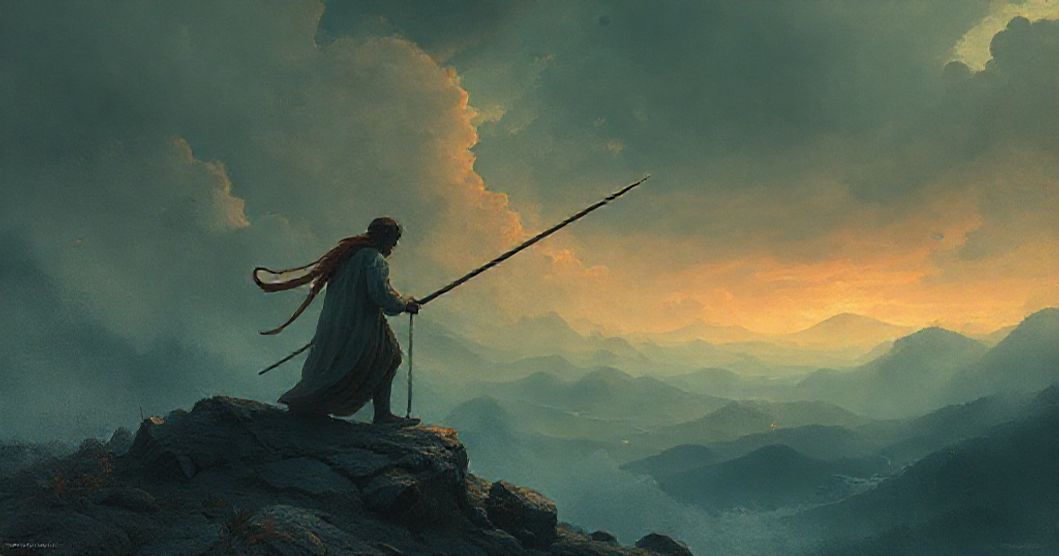
Part 1: Dream Presentation
Dreams have a remarkable ability to transport us across time and identity, bridging the gap between past and present in ways that defy logical explanation. In this particular nocturnal journey, a 30-year-old man found himself embodying a young peasant woman in a 15th-century village, her world collapsing around her as a violent end approached with uncanny precision. The dream unfolded with visceral clarity: a crumbling settlement, the chaos of destruction, and a sudden, fatal attack that struck precisely at a bodily mark that exists in waking life. Here is the dream as experienced and reimagined:
I found myself in a 15th-century village, surrounded by the earthy smells of damp soil and wood smoke, yet I was not the 30-year-old man I am in waking life. I was a young peasant girl, my hands calloused from years of labor, my heart pounding with primal fear as strangers in dark armor descended upon our settlement. The village was crumbling around me—screams rent the air, roofs blazed, and the ground trembled beneath the hooves of charging horses. I ran blindly, my feet slipping on uneven cobblestones, the weight of my simple woolen dress clinging to my back as I fled from the chaos. Behind me, a mounted figure emerged—a man in leather armor, his face hidden behind a metal visor, his horse’s hooves thundering closer. Without warning, he hurled a spear that arced through the air with deadly precision. It struck me precisely at the base of my neck, where a small, dark birthmark has always adorned my own skin. The pain was instantaneous, searing, and as consciousness faded, I felt the spear’s cold metal press against my life force. I woke with a gasp, my heart racing, the memory of that fatal wound still vivid in my chest, as if the phantom pain lingered.
Part 2: Clinical Analysis
Want a More Personalized Interpretation?
Get your own AI-powered dream analysis tailored specifically to your dream
🔮Try Dream Analysis FreeSymbolic Landscape: The Village, the Spear, and the Birthmark
The dream’s symbolic architecture reveals layers of meaning that connect the physical to the psychological. The 15th-century village represents a time of historical vulnerability, where peasants were at the mercy of feudal violence and societal upheaval. The burning settlement and chaotic destruction embody feelings of loss, displacement, or the crumbling of foundational elements in waking life. The mounted warrior with the spear is a powerful archetype of sudden, externalized violence—a force that strikes without warning, embodying threats to safety and control. The spear itself, piercing the neck, is a particularly significant symbol: the neck connects the head (thought, consciousness) to the body, making this wound a metaphor for severed connection, loss of voice, or the sudden silencing of one’s truth.
Most striking is the spear’s precise entry point: the base of the neck, exactly where the dreamer’s birthmark sits. This is not merely a coincidence but a powerful symbol of the unconscious mind’s ability to link past and present through physical markers. Birthmarks often carry personal significance, and here they become a bridge between the dreamer’s present self and a past life or collective memory. The neck, as a vulnerable area with vital arteries and nerves, represents a place of exposure and fragility—a fitting location for a trauma that feels both external and deeply personal.
Psychological Currents: Trauma, Identity, and the Unconscious
From a Jungian perspective, this dream may reflect the activation of the shadow archetype—the part of the psyche containing repressed memories, fears, and unintegrated aspects of self. The male dreamer embodying a young peasant woman suggests a confrontation with the feminine aspect of his psyche, a Jungian concept of the animus (male) and anima (female) needing balance. This gender role reversal could indicate a yearning for empathy, vulnerability, or unexpressed qualities typically associated with femininity in a modern male identity.
Freudian analysis might interpret the dream as a manifestation of repressed trauma, possibly from childhood or early adulthood, that has resurfaced in symbolic form. The violent death could represent a fear of loss of control, betrayal, or the inability to escape oppressive forces in waking life. The peasant woman’s role—fleeing destruction—might symbolize the dreamer’s own attempts to avoid confronting certain emotional truths or life circumstances.
Neuroscientifically, the dream’s vividness and emotional intensity suggest activation of the amygdala (fear response) and the hippocampus (memory consolidation). The specific details—the birthmark, the spear’s trajectory—may indicate a heightened emotional state in the dreamer’s life, where certain memories or anxieties are being processed during sleep.
Emotional Resonance and Waking Life Connections
The dream likely arises from the dreamer’s midlife reflection (he is in his 30s), a period often marked by reassessment of life direction, relationships, and mortality. The destruction of the village could symbolize fears of losing community, purpose, or stability in current life. The sudden, violent death might reflect anxiety about abrupt change—career shifts, relationship endings, or health concerns that feel overwhelming.
The birthmark’s significance extends beyond the dream itself. Physical markers often serve as anchors for personal identity, and in this case, they become a bridge between past and present. The dreamer might be experiencing a period of introspection about life purpose, legacy, or how past experiences shape current identity.
Therapeutic Insights: Unpacking the Dream’s Message
This dream offers several therapeutic avenues for exploration. First, journaling exercises focusing on the dream’s emotions—fear, vulnerability, and the visceral pain of the spear—can help identify current stressors. Asking: What in my life feels like “village destruction” right now? can reveal areas of life that feel out of control or threatening.
The gender role reversal invites reflection on the dreamer’s relationship with vulnerability. In a society that often values stoicism and strength, the dream’s depiction of a woman fleeing destruction highlights courage in the face of overwhelming odds—a quality the dreamer might be called upon to embrace in waking life.
For those interested in past life regression, this dream could be a starting point for exploring how past experiences (real or symbolic) influence current emotional patterns. However, it’s important to approach this with psychological nuance, recognizing that past life regression is as much about the unconscious as it is about literal historical recall.
FAQ Section
Q: Could the spear through the neck represent repressed anger or betrayal?
A: The spear likely symbolizes externalized aggression rather than internal anger. Its precise location at the birthmark suggests a personal, visceral connection to vulnerability rather than abstract emotion.
Q: What does the gender shift in the dream mean?
A: The male dreamer embodying a woman may reflect a desire for empathy, vulnerability, or unexpressed feminine qualities, or it could symbolize a connection to a female ancestor or past life identity.
Q: How should I approach understanding this dream further?
A: Reflect on current life stressors, journal about emotions when recalling the dream, and notice if the birthmark area feels psychologically significant. Consider exploring themes of vulnerability and resilience in waking life.