
Part 1: Dream Presentation
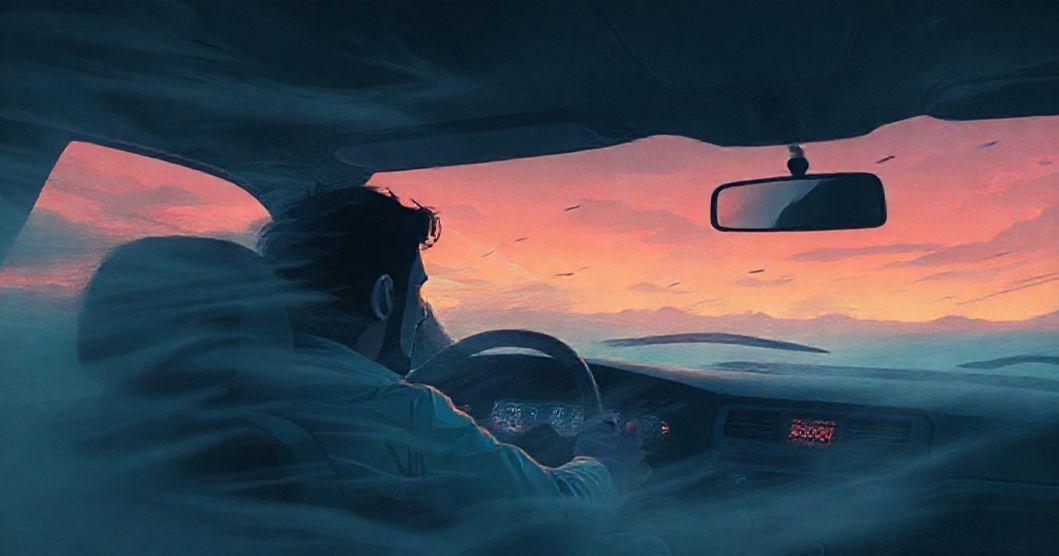
Dreams often serve as psychological mirrors, reflecting our unconscious concerns through symbolic scenarios that bridge our waking and sleeping minds. In this particular dream experience, the dreamer navigates a surreal driving scenario that reveals profound emotional undertones and identity questions. The dream begins with the familiar act of driving, yet introduces an uncanny perspective shift: the dreamer observes themselves from outside the vehicle, unable to see what they are driving or how their hands interact with the controls. As the dream progresses, a disorienting transformation occurs—the dreamer feels themselves shrinking away from the car, drifting like a pedestrian further and further from their own actions. This escalating distance, combined with the anxiety-laden atmosphere, creates a powerful symbolic narrative that demands exploration.
The rewritten dream narrative captures this experience in vivid detail: the dreamer finds themselves behind the wheel in a recurring dream scenario, yet experiences a third-person perspective that disconnects them from the act of driving. They cannot see the vehicle or the road ahead, feeling instead like an external observer of their own journey. As the dream unfolds, this observer role intensifies, with the dreamer physically drifting away from the car, transforming from a driver to a pedestrian in a surreal landscape. The anxiety builds as they lose connection to their vehicle and sense of purpose, evoking a visceral feeling of disorientation and emotional unease that permeates the dream experience.
Part 2: Clinical Analysis
Want a More Personalized Interpretation?
Get your own AI-powered dream analysis tailored specifically to your dream
🔮Try Dream Analysis FreeSymbolic Landscape of the Dream
The dream’s symbolic elements reveal a rich psychological landscape where driving, perspective, and distance converge to create a powerful metaphor for the dreamer’s inner emotional state. Driving in dreams typically symbolizes one’s sense of control and direction in life—a vehicle represents agency, purpose, and the journey we’re currently navigating. The third-person perspective shift in this dream introduces a critical layer of symbolism: by observing themselves from outside the vehicle, the dreamer may be experiencing a disconnection between their conscious self and their actions. This perspective change can reflect feelings of alienation from one’s own life path or uncertainty about how decisions are being made. The inability to see what they’re driving further emphasizes this disconnection, suggesting a lack of clarity about the tools or resources available to them in their waking life.
The act of drifting away from the vehicle, transforming from driver to pedestrian, amplifies these themes. In dreamwork, distance often symbolizes emotional detachment or a sense of separation from one’s goals or identity. This spatial separation may reflect the dreamer’s unconscious awareness of feeling adrift in life—unable to maintain a steady course or feel grounded in their actions. The anxiety that accompanies this distance suggests unresolved fears about losing control or purpose, with the dream acting as a psychological warning system for these underlying concerns.
Psychological Perspectives: Multiple Lenses
To fully understand this dream, we can apply multiple psychological frameworks that illuminate different aspects of its meaning. From a Jungian perspective, the dreamer’s experience of driving while simultaneously observing themselves from outside the vehicle reflects a tension between the persona (the conscious self) and the shadow (the unconscious aspects of identity). This perspective shift may represent the dreamer’s unconscious recognition of an aspect of themselves that feels foreign or detached—a part of the self they haven’t fully integrated. Jung would likely interpret this as a call to reconcile these fragmented aspects of identity and find a more unified sense of purpose.
Freudian theory offers another lens, suggesting that dreams manifest repressed desires or anxieties. The driving scenario, which typically symbolizes control and direction, may be manifesting unconscious fears about losing control in waking life. The inability to see what’s being driven could represent repressed memories or desires that remain hidden from conscious awareness, emerging in symbolic form through the dream. The anxiety associated with drifting away may signal unresolved conflicts about life decisions or relationships where the dreamer feels their agency is compromised.
From a cognitive perspective, dreams can be seen as problem-solving attempts during REM sleep, with the brain processing emotional information and simulating potential threats. The driving scenario with its anxiety-inducing elements may be the brain’s way of rehearsing responses to feelings of loss of control or uncertainty. Neuroscientific research supports this threat simulation theory, suggesting that dreams help process emotional memories and prepare the mind for real-world challenges. In this case, the dream’s anxiety may be the brain’s attempt to simulate and resolve concerns about life direction or purpose.
Emotional and Life Context
The recurring nature of this dream suggests it is tied to persistent emotional patterns or unresolved issues in the dreamer’s waking life. Common triggers for such dreams include periods of uncertainty about life direction, feelings of disconnection from one’s values or goals, or anxiety about maintaining control in relationships or professional pursuits. The dream’s emphasis on distance and detachment may reflect the dreamer’s subconscious response to recent changes or transitions—perhaps a new job, relationship, or life phase where they feel adrift.
Another potential context is the dreamer’s relationship with their own agency. If they frequently feel that their actions are determined by external forces rather than their own choices, the dream may manifest this as a loss of control over the vehicle. The inability to see what they’re driving could symbolize a lack of clarity about the tools or resources available to them in their life journey. The pedestrian perspective, where they observe their own driving from afar, might represent a desire to step back and reassess their path—an internal questioning of whether they’re on the right course.
Therapeutic Insights and Integration
This dream offers valuable insights for the dreamer, inviting reflection on areas of life where they feel disconnected or out of control. One practical exercise is to journal about moments in waking life where they feel a similar sense of detachment—these moments may reveal patterns of behavior or relationships that need attention. By identifying these triggers, the dreamer can begin to address the underlying anxieties rather than allowing them to manifest in recurring dreams.
Mindfulness practices that enhance present-moment awareness could help ground the dreamer in their actions and reduce anxiety. Activities like breathwork or body scans can help reconnect the conscious self with physical sensations, countering the dream’s sense of disconnection. Additionally, exploring life goals and values through journaling or conversation can provide clarity about the direction the dreamer wants to take, helping to transform the dream’s anxiety into purposeful action.
For long-term integration, the dream suggests the importance of developing a stronger sense of self-agency. This might involve setting small, achievable goals that restore a sense of control and purpose, gradually rebuilding confidence in one’s ability to navigate life’s challenges. Therapy approaches focused on cognitive behavioral techniques or psychodynamic exploration could help the dreamer unpack deeper issues related to identity and control, transforming the recurring dream into a catalyst for personal growth.
FAQ Section
Q: Why do I feel like a pedestrian in my own driving dream?
A: This perspective shift likely reflects feelings of disconnection from your actions or life path, suggesting you may be observing your life from an external viewpoint rather than fully engaging with it.
Q: How does this dream relate to anxiety in waking life?
A: Anxiety dreams often simulate real-life stressors. Here, the driving scenario represents attempts to control life’s direction, while the distance symbolizes fears of losing control or purpose in waking challenges.
Q: Is this a common dream type, and what does it indicate about my emotional state?
A: Dreams of losing control while driving are common, signaling underlying anxiety about life direction or fear of being swept along by external forces. It may indicate a need to reconnect with your sense of agency and purpose.