
Part 1: Dream Presentation
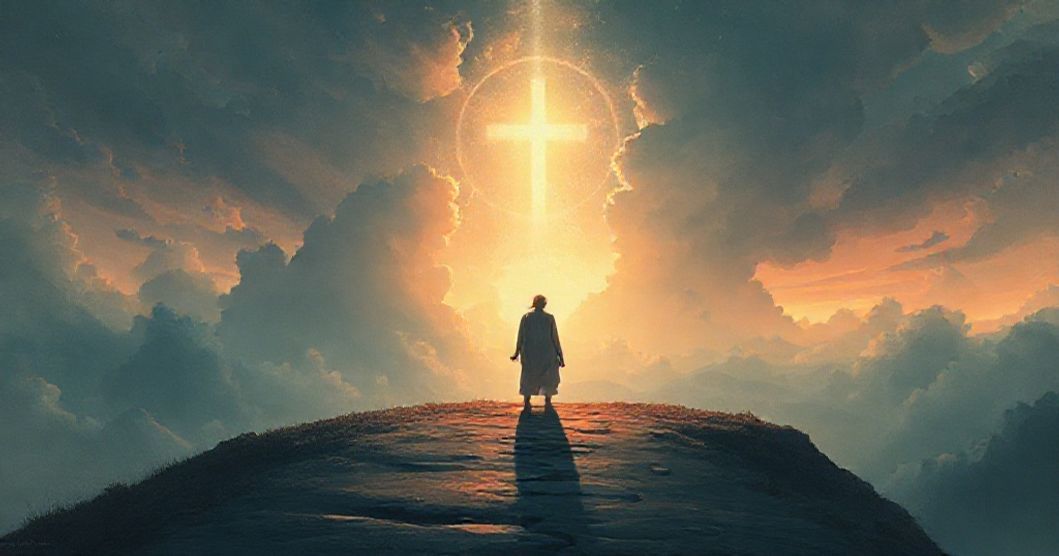
Dreams often serve as mirrors reflecting our inner spiritual landscapes, and this particular dream offers a vivid tableau of faith, fear, and the subconscious’s symbolic language. In the dream, I found myself in a dimly lit room with a group of people I didn’t recognize, yet felt an immediate sense of connection. As we conversed casually, a strange clarity washed over me: I am dreaming. The realization hit like a wave, and I blurted out, “Guys, we’re dreaming!” The others’ reactions were immediate and genuine—their eyes widening in surprise, one person exclaiming, “Wow, really?!” in a tone that blended disbelief and excitement. Without hesitation, we linked hands in a circle, our fingers warm against each other’s palms, and together we turned toward a higher power, murmuring prayers to Jesus, our collective faith palpable in the air. The warmth of shared devotion filled the space until, from the corner of my eye, I noticed a shadowy figure standing apart, watching us with a smile that chilled me to my core. It was a grin so wide and malevolent that it seemed to stretch beyond human proportions, its eyes glinting with malice. I felt an urgent need to know who this was, and before I could think, I shouted, “Who are you?!” and took off in pursuit. The figure turned and fled, its steps swift and silent, as I chased through corridors that shifted beneath my feet. Just as I was about to reach it, the dream dissolved into darkness, leaving me breathless and confused.
Part 2: Clinical Analysis
Symbolic Landscape: Light, Community, and the Shadow
Want a More Personalized Interpretation?
Get your own AI-powered dream analysis tailored specifically to your dream
🔮Try Dream Analysis FreeThis dream’s symbolic elements form a rich tapestry of spiritual and psychological themes. The initial recognition of dreaming—an act of lucidity in sleep—signifies self-awareness and the ability to discern reality from illusion, a key theme in Jungian psychology where dreams act as “compartments of the unconscious.” The group’s synchronized reaction to the dream realization suggests a collective spiritual or emotional alignment, with the act of holding hands and praying to Jesus embodying communal faith and the search for meaning. In dreamwork, the divine figure of Jesus represents not just religious belief but the archetype of the “savior” or “higher self”—the part of us seeking guidance, protection, and connection to something greater than ourselves.
The “evil person” with the “horrific smile” introduces the shadow archetype—a Jungian concept representing repressed aspects of the psyche. The figure’s predatory grin and silent observation suggest an internal conflict between light and dark, faith and fear, or spiritual ideals and repressed doubts. The dreamer’s immediate confrontation with this figure rather than avoidance reflects a subconscious drive to integrate these shadow elements rather than suppress them, a crucial step in psychological wholeness.
Psychological Perspectives: Layers of Interpretation
From a Freudian perspective, the dream may reflect repressed anxieties or moral conflicts. The act of praying could symbolize a desire for absolution or resolution, while the shadow figure represents forbidden desires or suppressed fears. The dreamer’s spontaneous declaration of “we are dreaming” might signify a waking need to recognize spiritual or emotional illusions in daily life.
Jungian psychology offers a complementary view, seeing the dream as a dialogue between conscious and unconscious. The group represents the collective unconscious, while Jesus embodies the Self—the archetypal center of integration. The shadow figure, then, is the “anima/animus” or “shadow” aspect needing acknowledgment rather than suppression. The chase might represent the dreamer’s unconscious attempt to integrate these shadow elements rather than fleeing from them.
Neuroscientifically, this dream could reflect the brain’s default mode network, which activates during dreaming and self-referential thinking. The lucid moment suggests heightened self-awareness, while the spiritual elements correlate with the brain’s tendency to seek meaning and pattern recognition, even in random neural activity during sleep.
Emotional & Life Context: Confronting Inner Fears
This dream likely arises from waking emotional states—perhaps spiritual questioning, moral dilemmas, or fear of confronting personal flaws. The group praying together might reflect a desire for community support in spiritual matters, while the shadow figure could represent a part of the dreamer that feels threatening or “evil” in their own eyes. The dream’s brevity and the abrupt chase ending suggest unfinished business with these inner conflicts.
If the dreamer is navigating a period of spiritual growth or doubt, this could manifest as a dream where faith and fear collide. The act of “praying to Jesus” might symbolize a reconnection with spiritual values, while the evil figure represents lingering doubts or external pressures that contradict those values. The dream’s emotional tone shifts from shared recognition to confrontation, mirroring the common human experience of integrating faith with the messy reality of daily life.
Therapeutic Insights: Integrating Light and Shadow
This dream offers several therapeutic lessons. First, it urges the dreamer to recognize that confronting fears (represented by the shadow figure) is essential for integration rather than suppression. Journaling exercises could help explore waking life areas where spiritual beliefs conflict with personal actions or values. Reflective questions like, “When do I feel most connected to my spiritual values?” and “What parts of myself do I avoid acknowledging?” can deepen self-awareness.
Practicing mindfulness meditation on the breath can enhance waking awareness, potentially reducing the need for dreams to resolve inner conflicts. For long-term integration, the dream suggests that faith and fear can coexist in healthy tension. The dreamer might benefit from exploring their relationship with both spiritual tradition and personal doubt, allowing space for both light and shadow aspects to be acknowledged without judgment.
FAQ Section
Q: Why did the dreamer pray to Jesus in the dream?
A: The prayer likely represents a deep-seated need for connection, guidance, or spiritual reassurance. It may reflect waking life struggles where faith provides comfort amid uncertainty.
Q: What does the evil figure symbolize?
A: The shadow figure represents repressed fears, doubts, or aspects of self the dreamer struggles to accept—unintegrated parts of the psyche needing acknowledgment.
Q: How does the dreamer’s recognition of dreaming relate to waking life?
A: Lucidity in dreams often mirrors waking awareness of spiritual or emotional illusions, suggesting a need to discern reality from perception in daily life.