
Part 1: Dream Presentation
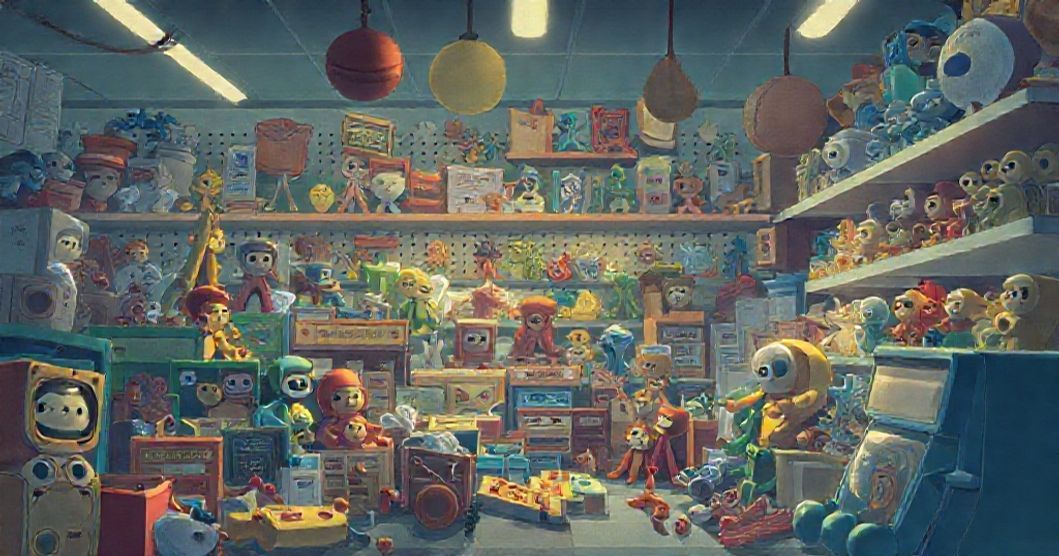
Childhood attachments often linger in unexpected places, resurfacing in our unconscious when we least expect them. For me, this manifested in recurring dreams about collecting My Little Pony toys—plastic relics of a simpler time that unexpectedly became the focus of adult longing. The dream began with an overwhelming sense of nostalgia: I found myself in a cluttered thrift store, surrounded by the familiar scent of aged paper and dust, where towering stacks of My Little Pony toys filled plastic bags priced at a mere twelve dollars. My hands trembled with desperate anticipation as I clutched the heavy bags, desperate to secure them all. Yet a knot of embarrassment always twisted in my chest: my friends were with me, their eyes following my movements with silent judgment. I could feel their raised eyebrows, the unspoken question: Why would you buy those now? My cheeks flushed as I clutched the bags, acutely aware of how my adult self was betraying my years. Yet the longing was too strong to resist—this was about more than toys; it was about reclaiming a version of myself I’d buried somewhere along the way. The dreams persisted for months, a persistent loop of desire and self-consciousness, until September arrived. And then, just like that, they stopped. The urge to collect faded, replaced by a quiet acceptance that some obsessions, like childhood memories, are meant to stay in the past—even if they occasionally visit in dreams.
Part 2: Clinical Analysis
Symbolic Landscape: The Language of Childhood Obsession
Want a More Personalized Interpretation?
Get your own AI-powered dream analysis tailored specifically to your dream
🔮Try Dream Analysis FreeThe My Little Pony toys in this dream function as powerful symbols of childhood identity and repressed longing. These plastic figures represent not just nostalgic objects but a version of self that felt more carefree and unburdened by adult responsibilities. The thrift store setting introduces the theme of reclamation—a place where forgotten treasures are unearthed, suggesting the dreamer’s unconscious is searching for something lost. The act of buying in bulk (rather than individual toys) indicates an attempt to overcompensate for past deprivation or incomplete fulfillment, a common defense mechanism in dreams where we seek to fill emotional voids.
The recurring nature of the dream, occurring at least once weekly for months, suggests a persistent emotional undercurrent that needed expression. The embarrassment in front of friends reveals the internal conflict between societal expectations of maturity and the authentic desire to reconnect with childhood joy. This duality—desire versus judgment—creates the tension that drives the dream narrative forward, as the dreamer struggles between embracing their true self and conforming to adult norms.
Psychological Undercurrents: Unconscious Needs and Repressed Desires
From a psychoanalytic perspective, this dream reflects Freud’s concept of the unconscious, where repressed childhood desires resurface in symbolic form. The My Little Pony toys represent the dreamer’s id—the primitive, pleasure-seeking part of the mind that hasn’t fully integrated adult responsibilities. The thrift store purchase symbolizes the dreamer’s attempt to satisfy this primitive need for comfort and playfulness, which has been neglected in adult life.
Jungian psychology offers another lens, suggesting these toys embody the shadow self—the aspects of the personality we’ve disowned as “too childish” for adulthood. The recurring dream could be seen as the shadow’s attempt to be acknowledged, not as a sign of immaturity but as a call to integrate the childlike aspects of ourselves that still crave play and connection. The dream’s persistence until September might indicate the dreamer’s gradual willingness to accept and reconcile these opposing parts of their identity.
Emotional & Life Context: Nostalgia in Adulthood
The timing of the dream (occurring after months of obsession) suggests external life factors may have triggered this emotional resurgence. Perhaps the dreamer was experiencing stress, uncertainty, or a sense of loss of identity in their adult life, prompting the unconscious to revisit childhood for comfort. The recurring visits to the thrift store could symbolize a search for stability in a changing world, where the familiar objects of childhood offer an illusion of security.
The dream also reflects the modern cultural tension between “growing up” and retaining childhood joy. In a society that values productivity and maturity, embracing childlike interests can feel socially unacceptable, leading to internal conflict. The dream’s resolution in September might correspond with the dreamer finding healthier ways to incorporate play and nostalgia into their adult life, reducing the need for unconscious repetition.
Therapeutic Insights: Reconnecting with Childhood Joy
This dream offers valuable insights into emotional healing and self-compassion. The first step is to recognize the dream as a positive sign of psychological integration rather than a “problem.” By acknowledging the longing for childhood joy, the dreamer can begin to honor that part of themselves without shame.
Journaling exercises could help explore the specific emotions triggered by the dream—what feelings does the desire to collect these toys represent? Is there a current area of life where the dreamer feels unfulfilled or disconnected from their true self? Reflecting on these questions can transform the dream’s symbolic content into actionable self-awareness.
Healthy integration involves finding ways to incorporate play and nostalgia into adult life without overcompensating. This might involve setting aside time for creative hobbies, revisiting childhood interests in new forms (such as adult coloring books or vintage toy collections), or simply allowing oneself to feel joy without judgment. The dream’s resolution suggests that by addressing these underlying needs, the unconscious no longer feels compelled to repeat the dream pattern.
FAQ Section
Q: Why did the dreams stop in September?
A: Dreams often resolve when the underlying emotional need is acknowledged and addressed. The stopping suggests the dreamer began integrating childhood joy into adult life healthily, reducing the unconscious need for repetition.
Q: What does buying in bulk symbolize in the dream?
A: Bulk purchasing represents an attempt to overcompensate for past deprivation or incomplete fulfillment, a common dream strategy to fill emotional voids with material objects.
Q: How can I tell if my nostalgia is healthy or problematic?
A: Healthy nostalgia brings joy without shame or impairment, while problematic nostalgia causes distress and interferes with daily life. This dream’s resolution suggests the shift from problematic to healthy integration.