
Part 1: Dream Presentation
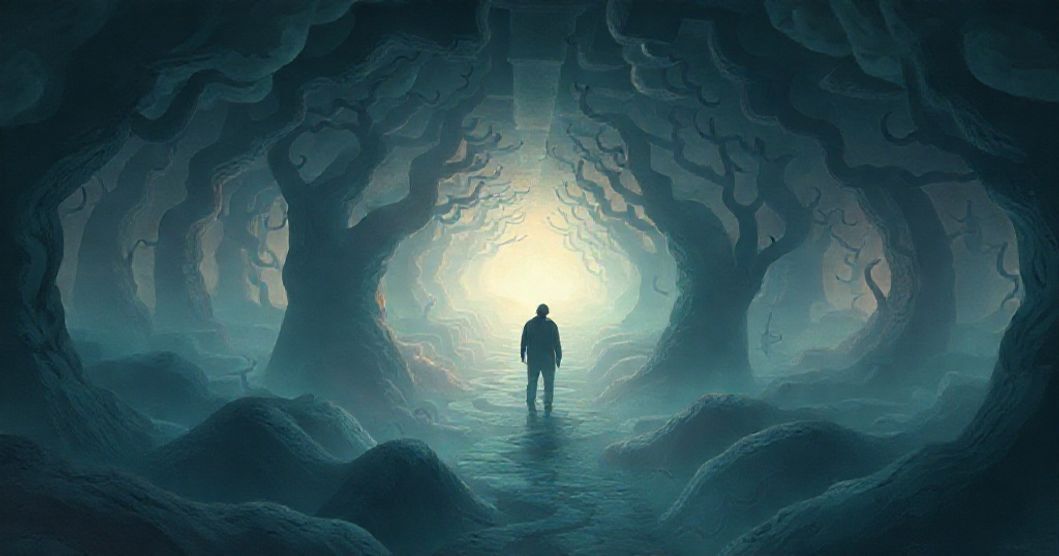
Night after night, my sleep unravels into a surreal nightmare factory where massive escalators and elevators serve as recurring stages of terror. In these dreams, the machinery moves with a relentless, mechanical precision that feels both inescapable and dangerous—people around me, sometimes including myself, are thrown into the moving parts, limbs mangled in the gears, faces contorted in silent screams as metal crushes bone. The horror is visceral, the sounds of grinding metal and gasps echoing in my consciousness even as I wake. Always, there is a massive, inky swimming pool stretching endlessly, its depths so dark they seem to swallow light and sound, and I feel an overwhelming dread as if I might sink into its bottomless waters at any moment. Equally omnipresent are vast mazes of toilets, their porcelain surfaces glistening with an unsettling sheen, each flush sending waves of filth and waste cascading through the labyrinthine halls—a grotesque symbol of loss of control and purification gone wrong. These elements collide with my waking phobias: a deep-seated fear of enclosed spaces, water, and mechanical failure that amplifies the terror. My dreams also replay fragments of trauma I’ve never fully processed—hospitals where sterile white walls press in, medical equipment that malfunctions, and scenes of sexual violation that I can’t escape, even in sleep. Violent car wrecks, machinery accidents, and end-of-world scenarios unfold with apocalyptic clarity, while aliens and shadowy figures from my past abuse reappear, their presence a silent accusation that feels both personal and universal. I’ve even dreamed of giving birth to something dangerous, a surreal scenario that terrifies me despite never having experienced pregnancy. Family members, too, appear in these nightmares, doing things they would never do in waking life—twisting their faces into cruelty, their hands moving in ways that violate my sense of safety. Once vibrant dreams of freewheeling joy have transformed into a prison of repetition. I used to wake excited, eager to explore the vivid landscapes of my imagination, but now sleep is a dread-filled anticipation. The few positive dreams I have feel equally constrained: wandering through a brightly lit grocery store where shelves overflow with food, taking whatever I want without consequence, or shopping in a world where every store is stocked with webkinz plush toys, a nostalgic comfort that contrasts sharply with the nightmares. These once-pleasant dreams now feel like brief respites in a storm of terror. Medication like Seroquel once shattered this cycle, allowing me to recognize my dreams as such and even guide them, but I’ve grown hesitant to rely on it again. The repetitive nature of my nightmares, the visceral revulsion they inspire, and the lingering fear that they might hold some deeper meaning for my waking life leave me questioning if there are other paths to reclaiming peaceful sleep and joyful dreams.
Part 2: Clinical Analysis
Symbolic Landscape: The Language of Nightmare Elements
Want a More Personalized Interpretation?
Get your own AI-powered dream analysis tailored specifically to your dream
🔮Try Dream Analysis FreeThe recurring escalators and elevators in these dreams represent fundamental anxieties about control and transition. Escalators, moving forward with unyielding momentum, symbolize the pressure of unprocessed time and unavoidable life changes, while elevators—with their enclosed, vertical movement—embody the fear of heights and the dread of being trapped in emotional states. The massive swimming pool, so often a site of terror rather than relaxation, speaks to overwhelming emotional depth and the fear of drowning in unacknowledged feelings. Water, in dream symbolism, frequently represents the unconscious mind, and here its darkness suggests a subconscious overwhelmed by unintegrated trauma. The maze of toilets, often censored in public discourse, becomes a powerful symbol of bodily control and waste—both literal (elimination) and metaphorical (unprocessed emotions). These grotesque elements contrast sharply with the safe, nourishing spaces of grocery stores and webkinz dreams: the grocery store represents abundance and self-nurturance, while webkinz plush toys evoke childhood safety and comfort. This dichotomy reveals a psychological split between the need for security and the fear of that security being shattered.
Psychological Undercurrents: Trauma, Phobias, and Dream Architecture
From a Freudian perspective, these dreams function as a