
Part 1: Dream Presentation
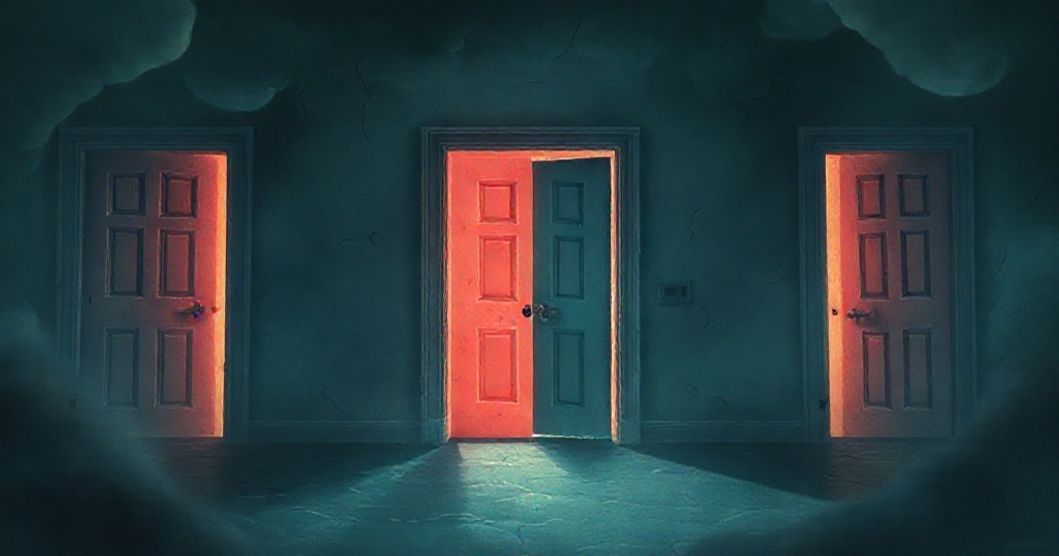
Dreams that unfold in tandem between two people often serve as a mirror to shared emotional landscapes, and this particular nightmare offers a vivid glimpse into both individual and relational anxieties. The dream begins with the dreamer standing at a threshold—a house door—where vulnerability and fear converge. She reaches for the doorknob, desperate to enter, yet the door remains resolutely closed, blocking her path. The atmosphere is thick with unease, a tangible sense of being trapped or excluded. As she calls out for her boyfriend, his absence amplifies her isolation, and the locked door becomes a physical manifestation of emotional distance or a barrier she cannot breach. The sudden shift in perspective—viewing herself from behind, as if through the eyes of a pursuer—heightens the terror, transforming her into both victim and observer of her own vulnerability. In a moment of lucid recognition, she attempts to wake herself, a common strategy in dreams to regain control, but the dream persists until the final jolt of awakening. To her astonishment, her boyfriend awakens simultaneously, sharing the identical nightmare experience—though in his version, both are locked out together. This shared dream experience adds an additional layer of complexity, suggesting a collective emotional undercurrent rather than individual anxiety alone.
Part 2: Clinical Analysis
Symbolic Landscape: The Language of Locked Doors and Shared Nightmares
Want a More Personalized Interpretation?
Get your own AI-powered dream analysis tailored specifically to your dream
🔮Try Dream Analysis FreeLocked doors in dreams universally symbolize barriers to connection, security, or self-expression. In this dream, the door represents not just physical access but emotional thresholds—perhaps the dreamer feels blocked from intimacy, understanding, or a sense of belonging within the relationship. The act of trying to enter while being denied entry speaks to a fundamental human need for safety and acceptance that feels temporarily out of reach. The boyfriend's version, where both are locked out, suggests a collective experience of exclusion rather than individual vulnerability, hinting at shared fears about relationship security or external pressures that threaten to separate them.
The 'chase' element introduces themes of pursuit and avoidance. In dream psychology, being chased often reflects unresolved emotions or responsibilities that feel inescapable in waking life. The dreamer's perspective shift—seeing herself from behind as the pursuer approaches—represents a crucial turning point: she recognizes her own role in the dream's dynamics, perhaps indicating a moment of self-awareness about how she responds to fear. This 'lucid moment' within the dream—when she attempts to wake herself—reflects the dreamer's inner resilience, her instinct to reclaim control even in the face of overwhelming anxiety.
Psychological Undercurrents: Jungian, Freudian, and Cognitive Perspectives
From a Jungian perspective, doors serve as archetypal thresholds between the conscious and unconscious mind. The locked door could represent an aspect of the self that feels inaccessible or a part of the relationship that requires deeper integration. The shared dream experience between partners suggests a 'collective unconscious' resonance—a common dream motif that indicates overlapping emotional patterns or unspoken fears in the relationship. Jung might interpret the shared nightmare as a synchronistic event reflecting the couple's interconnected psychological states.
Freudian analysis would likely focus on repressed desires or anxieties. The locked door could symbolize forbidden aspects of the relationship or unresolved conflicts that the dreamer is unconsciously trying to address. The boyfriend's version, where both are locked out, might represent a shared fear of rejection or abandonment, with the 'both locked out' scenario reflecting a mutual feeling of being excluded from something important.
Cognitive psychology offers another lens, suggesting that dreams process emotional stress and unresolved issues. The falling sensation upon waking is a common 'falling dream' that often relates to feelings of instability or loss of control in waking life. The shared nature of the dream might indicate that both partners are processing similar stressors, perhaps related to work, family, or relationship dynamics, that are manifesting collectively in their sleep.
Emotional and Life Context: Unpacking the Layers of Anxiety
This shared nightmare likely reflects underlying emotional currents in the relationship. The dream of being locked out together suggests a fear of being separated or excluded from one another, even in symbolic terms. The specific context of the relationship—whether they're experiencing stress from external pressures, communication breakdowns, or fears about the future—would influence the interpretation. The locked door could symbolize feeling 'shut out' of each other's emotional worlds, perhaps due to recent conflicts, unspoken expectations, or life changes that have created a sense of distance.
The dreamer's initial experience of being alone while trying to enter contrasts with her boyfriend's version where they're both locked out. This difference might indicate individual vs. collective perspectives on their relationship. The dreamer feels alone in her pursuit of connection, while her boyfriend experiences the exclusion as a mutual experience, suggesting differing emotional perceptions within the partnership that the dream is highlighting.
Therapeutic Insights: Navigating the Dream's Message
This shared nightmare offers valuable insights for the couple. First, it's a signal that both partners are carrying similar anxieties, even if they're not consciously aware of them. The dream suggests that communication about these underlying fears could strengthen their bond rather than allow them to fester. Reflective exercises might include asking each other: 'What feels locked out in our relationship right now?' or 'What fears do we share about our connection?'
Practical integration strategies could involve creating rituals that reinforce a sense of security and togetherness, such as a nightly check-in about any lingering anxieties or a shared moment of reassurance before sleep. The dream's message about feeling 'locked out' might be resolved by actively working to create emotional accessibility—ensuring both partners feel safe to express vulnerability without judgment.
FAQ Section
Q: Why did we have the same dream?
A: Shared dreams often reflect synchronized emotional states or unresolved relationship themes. It suggests both partners are processing similar fears about connection or security.
Q: What does being locked out symbolize in this context?
A: Locked doors represent barriers to emotional intimacy, feeling excluded, or unresolved relationship issues. The shared experience indicates mutual vulnerability rather than individual problems.
Q: How can we use this dream to improve our relationship?
A: Discuss the dream openly to identify common fears, create rituals that foster connection, and practice active listening to address underlying anxieties together.