
Part 1: Dream Presentation
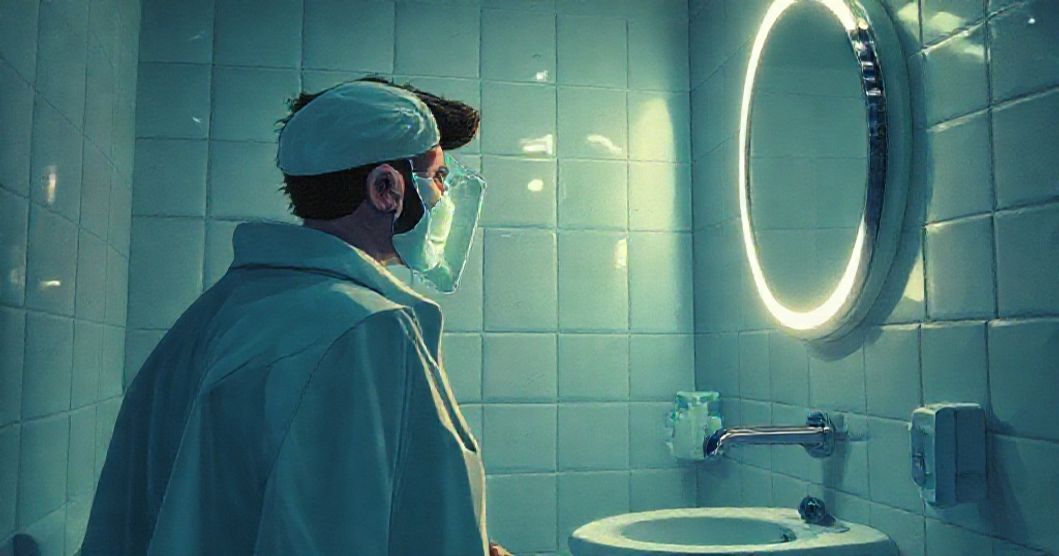
Dreams often blur the boundaries between reality and fantasy, especially when they feature figures we recognize from our digital worlds. This particular dream weaves together mundane school settings with the unexpected presence of a viral internet personality, creating a surreal narrative that demands exploration. The dream begins in a typical school bathroom, a space of both privacy and public exposure, where the familiar division between 'Mrs' and 'Mr' signs establishes a framework of gendered social expectations. The dreamer’s choice to enter the 'Mr' stall introduces a subtle tension between societal norms and personal agency, while the subsequent appearance of the word 'beast' transforms this ordinary space into something uncanny.
As the narrative unfolds, Mr Beast—an internet celebrity known for his elaborate challenges and philanthropic stunts—appears as a guardian figure, his presence both comforting and unsettling. The dreamer’s confrontation with this public figure reveals deeper psychological currents: the urinal’s unexpected height, causing a messy accident, suggests feelings of inadequacy or awkwardness in social situations. The act of washing hands afterward symbolizes a desire for purification or atonement, while the pivotal moment of accusation—'You have to be an impostor'—reveals the dreamer’s struggle to reconcile the polished public image of a celebrity with the raw vulnerability of their private self.
The dream’s emotional climax arrives when Mr Beast’s expression shifts from confident to hollow, as if his 'soul left his body.' This transformation encapsulates the dream’s core tension: the fragile boundary between authentic self and performative persona. The school bathroom, a liminal space between childhood and adulthood, amplifies these themes of identity formation and social judgment.
Want a More Personalized Interpretation?
Get your own AI-powered dream analysis tailored specifically to your dream
🔮Try Dream Analysis FreePart 2: Clinical Analysis
Symbolic Landscape: The Bathroom as Liminal Space
The school bathroom serves as a powerful symbolic container for this dream’s exploration of identity and exposure. In dream psychology, bathrooms often represent the unconscious mind’s threshold spaces—places of vulnerability, where we confront our most private selves and the social expectations that shape them. The division between 'Mrs' and 'Mr' signs introduces a gendered dimension, reflecting societal norms that dictate how we should present ourselves publicly versus privately. The dreamer’s choice of the 'Mr' stall may symbolize a desire to align with traditional masculine ideals, or perhaps a struggle to navigate gendered social pressures.
Mr Beast’s presence as a 'guardian' of the stall embodies the archetype of the threshold guardian—a figure who tests the dreamer’s courage and discernment. In Jungian psychology, such figures often represent the shadow self or repressed aspects of identity. Here, Mr Beast functions as both a familiar cultural icon and an unfamiliar, unsettling presence, creating a tension between comfort and discomfort.
The high urinal and subsequent mess represent feelings of inadequacy in social performance. The dreamer’s struggle to use the urinal effectively mirrors real-life challenges with self-expression, where the pressure to conform to societal standards leads to awkwardness or failure. The act of washing hands afterward suggests a ritual of purification, an attempt to erase the 'mess' of imperfection and present oneself as 'clean' and acceptable.
Psychological Currents: Fame, Authenticity, and the Uncanny Valley
Freudian dream theory would likely interpret this dream as a manifestation of repressed desires or social anxieties. Mr Beast, as a symbol of fame and achievement, may represent the dreamer’s unconscious longing for recognition or admiration. The dream’s focus on bathroom settings aligns with Freud’s concept of 'the uncanny'—familiar spaces rendered unfamiliar by the intrusion of the unexpected.
Jungian analysis reveals deeper layers of meaning. Mr Beast, as a collective cultural symbol, embodies the 'shadow' aspect of modern celebrity culture—the carefully constructed persona versus the real person behind it. The dreamer’s accusation of 'impostor' reflects a fundamental human need to distinguish authentic self from performative self, a tension central to Jung’s concept of individuation.
Cognitive dream theory suggests this dream processes the dreamer’s daily experiences with media consumption and social comparison. In an era of curated online personas, the dreamer’s confrontation with Mr Beast’s 'inauthenticity' mirrors waking life anxieties about authenticity in social media and public life.
Emotional & Life Context: Navigating Self and Society
The dream likely reflects the dreamer’s relationship with celebrity culture and social identity. Mr Beast’s public persona—marked by generosity, spectacle, and constant performance—may symbolize the pressure to present an idealized self in online spaces. The 'impostor' accusation suggests the dreamer’s own struggles with self-acceptance and the fear of not measuring up to societal expectations.
The school bathroom setting anchors the dream in adolescence—a period of identity formation, social anxiety, and the search for belonging. The gendered bathroom signs represent the societal boxes we are expected to fit into, while Mr Beast’s unexpected presence disrupts these boundaries, creating a space of both liberation and confusion.
The shift in Mr Beast’s expression—from confident to hollow—reveals vulnerability beneath the public persona. This transformation may reflect the dreamer’s recognition that even celebrities, despite their curated images, experience the same human struggles with authenticity and self-doubt.
Therapeutic Insights: Confronting the Uncanny Self
This dream offers valuable therapeutic insights into the dreamer’s relationship with authenticity and self-perception. The act of washing hands symbolizes the opportunity to cleanse ourselves of self-judgment and embrace our imperfections. Confronting Mr Beast as an impostor reflects the courage to question societal norms and challenge the 'performative self' we present to the world.
Therapeutic reflection exercises could include journaling about moments when the dreamer has felt pressured to conform to others’ expectations versus moments of authentic self-expression. Exploring the dream’s emotional arc—from curiosity to accusation to recognition of vulnerability—encourages self-compassion and acceptance.
For long-term integration, mindfulness practices that cultivate present-moment awareness can help distinguish between authentic self and performative self. The dream’s message suggests that true strength lies not in avoiding imperfection but in acknowledging it and moving forward with courage.
FAQ Section
Q: What does it mean to have a public figure like Mr Beast in my dream?
A: Public figures in dreams often symbolize aspects of your personality you admire or project onto others. Mr Beast’s presence may reflect your desire for achievement, recognition, or the courage to take risks, while his 'impostor' accusation reveals fears about authenticity.
Q: Why did the bathroom setting feel significant?
A: Bathrooms represent vulnerability and exposure. The high urinal symbolizes feeling overwhelmed by societal expectations, while the mess reflects struggles with self-expression. The space forces you to confront both your needs and your fears in a raw, unfiltered way.
Q: How should I interpret the sudden change in Mr Beast’s expression?
A: This transformation likely represents the vulnerability beneath public personas. It suggests that even those who appear confident or 'perfect' experience the same human emotions of doubt and insecurity, offering you permission to embrace your own imperfections.