
Part 1: Dream Presentation
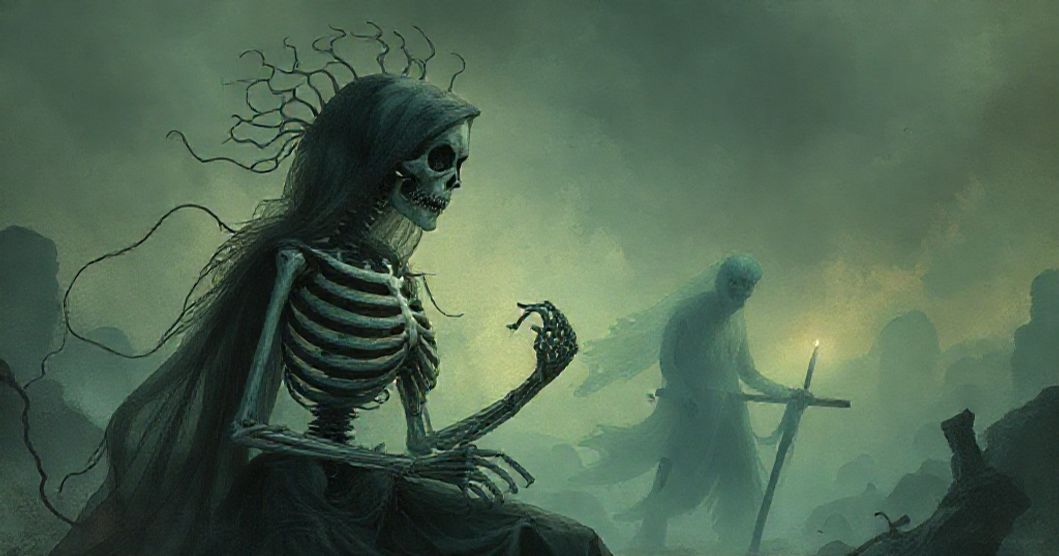
Dreams often materialize from the deepest recesses of our psyche, blending fragments of memory, emotion, and intuition into surreal narratives that demand interpretation. In this case, the dreamer finds themselves in a forgotten village—a landscape of crumbling wooden structures evoking an 18th-century ghost town, where time appears to have stagnated. This setting, with its air of decay and abandonment, serves as a powerful backdrop for the psychological themes at play. The square house with its dual doors symbolizes choice or bifurcation: two paths through the same space, suggesting conflicting approaches to confronting the unknown. Inside, the old man at the worktable—cluttered with tools like saws and pliers—evokes the dreamer’s connection to craftsmanship, legacy, and creative potential, particularly in the context of the grandfatherly figure mentioned, who crafted model ships and houses in his basement. This figure represents wisdom, patience, and the preservation of skills across generations. The skeletal woman, however, disrupts this scene with her ashen gray skin, matted black hair, and tattered white robe—a vision of decay and dread. Her skeletal form and eerie presence signal deeper psychological territory: the shadow self, repressed fears, or unresolved aspects of the dreamer’s psyche that resist integration.
The dream’s recurrence—returning to the same house after the initial escape—highlights the persistence of these inner conflicts. The old man’s knowledge of the woman’s danger (that she would harm him if acknowledged) reflects the dreamer’s intuitive understanding of repressed emotions or memories that remain unaddressed. The dreamer’s decision to throw a phone (a modern, technological symbol of control and connection) at the woman, only to have it bounce off an invisible barrier, suggests an attempt to assert control over overwhelming forces, yet the barrier indicates that these fears cannot be so easily dismissed or destroyed. The woman’s swift attack and the dreamer’s panicked movements to defend themselves—scrambling to scratch or grab her—reveal a primal struggle against vulnerability, while her ability to twist the dreamer’s wrist underscores the power of these unintegrated aspects to resist our attempts to manage them. The dream ends with the dreamer waking in terror, underscoring the emotional weight of these symbolic encounters.
Part 2: Clinical Analysis
Want a More Personalized Interpretation?
Get your own AI-powered dream analysis tailored specifically to your dream
🔮Try Dream Analysis FreeThe Symbolic Landscape of Decay and Craftsmanship
The ruined village and decaying houses serve as powerful metaphors for the dreamer’s relationship with the past—specifically, how ancestral legacies, creative potential, and family memories can feel both comforting and oppressive. The old man’s worktable, reminiscent of the grandfather’s space, represents the preservation of skill and the transmission of knowledge across generations. In Jungian terms, this figure embodies the wise old man archetype—a symbol of wisdom, experience, and the integration of life lessons. His tools suggest the active engagement with one’s craft or purpose, while his silence about the skeletal woman reflects the unconscious’s tendency to ignore or suppress aspects of self that feel threatening. The woman, with her skeletal form and eerie appearance, embodies the shadow archetype—the repressed, darker aspects of the psyche that resist integration. Her skeletal nature suggests decay, not just physical but emotional or spiritual—perhaps the dreamer’s sense of losing touch with vitality, purpose, or creative energy.
The dual doors of the house symbolize the dreamer’s internal choice points: either to confront the shadow (the woman) directly or to avoid her entirely. The first path—escaping without engaging—leads to the dream’s recurrence, indicating that avoidance only perpetuates the conflict. The second path, where the old man asks the question Do you see her too?, represents a moment of recognition: the dreamer must acknowledge the shadow to integrate it, rather than denying its existence. The old man’s fear of the woman’s power (that she would harm him) reflects the shadow’s ability to overwhelm the conscious self if left unaddressed, while the dreamer’s initial attempt to use the phone (a modern tool of control) to repel her suggests a reliance on external solutions rather than internal understanding.
Psychological Undercurrents: Legacy, Fears, and Shadow Integration
From a Freudian perspective, the skeletal woman could represent repressed desires or anxieties related to mortality, aging, or loss. Her skeletal form might symbolize the dreamer’s fear of physical decay, while her presence in the context of the old man’s workspace suggests unresolved generational issues—perhaps unspoken tensions with family or creative blocks that feel oppressive. The old man’s knowledge of the woman’s danger without explicit explanation hints at the unconscious’s intuitive wisdom: certain aspects of self are known to us without conscious reasoning, arising from primal fears or ancestral memories.
Cognitive dream theory frames this as a processing mechanism for unintegrated emotions or recent stressors. The dreamer’s infrequent dreams (one per month) suggest that this particular dream is significant—a rare occurrence of intense emotional processing. The woman’s attack, where she grabs the dreamer’s wrist, could represent the grip of anxiety or trauma that feels inescapable. The dreamer’s random movements to defend themselves (scratching, grabbing) reflect the body’s instinctual response to threat, while the inability to fully control the situation underscores the difficulty of managing overwhelming emotions in waking life.
Emotional and Life Context: Unpacking the Dreamer’s Experience
The dreamer’s statement that they rarely have dreams—one per month at most—suggests that this dream is processing something particularly significant in their waking life. The connection to the grandfather’s worktable hints at a relationship with creativity, legacy, or family history that may be causing tension. The woman’s appearance as a skeletal figure could symbolize a part of the self that feels neglected or dying—a creative spark, emotional vitality, or sense of purpose that has been suppressed. The old man’s silence about her danger might reflect the dreamer’s own avoidance of acknowledging certain fears or responsibilities.
The recurring nature of the dream (returning to the house after the first escape) indicates that these themes are unresolved. The dreamer’s actions—throwing the phone, random movements—suggest attempts to regain control in situations where they feel vulnerable. The fear of the woman being beside the bed upon waking reinforces the intensity of these emotions, suggesting that the dream is addressing a deep-seated anxiety about vulnerability, mortality, or the loss of control.
Therapeutic Insights: A Path to Integration
This dream invites the dreamer to reflect on the balance between honoring legacy and acknowledging the shadow. The old man’s wisdom lies in his recognition of the woman’s danger, but his silence may be as harmful as the woman’s presence. Similarly, the dreamer’s initial escape represents avoidance, while the second encounter forces engagement. The key insight is that the woman cannot be destroyed by throwing objects or running away; instead, integrating her into the self—acknowledging her as a part of the psyche—might reduce her power.
Practical reflection exercises include journaling about recent life stressors or creative blocks, exploring connections to family history or ancestral patterns. The dreamer could ask: What aspects of myself feel neglected or feared? or How might I honor my creative legacy while acknowledging my own needs? Mindfulness practices, such as body scans to identify tension areas (like the wrist grabbed in the dream), can help ground the dreamer in the present moment, reducing the power of the dream’s emotional intensity.
FAQ: Navigating the Dream’s Meaning
Q: What does the old man represent in the dream?
A: He likely symbolizes the dreamer’s connection to wisdom, legacy, or creative potential, embodying the wise old man archetype. His silence about the woman reflects intuitive knowledge of unintegrated aspects of self.
Q: Why does the woman attack the dreamer?
A: As a shadow figure, she represents repressed fears, anxieties, or neglected parts of the self. Her attack reflects the struggle to integrate these aspects, which feel threatening when unacknowledged.
Q: How can the dreamer work through these themes in waking life?
A: Journal about creative or family-related tensions, practice shadow integration by acknowledging fears, and explore ways to honor legacy while nurturing personal growth.