
Part 1: Dream Presentation
Dreams often arrive unannounced, carrying messages from the unconscious in symbolic language that can feel both cryptic and deeply personal. This particular dream, vividly recounting the experience of a chipped back molar falling out, and the subsequent panic triggered by a family member’s interpretation, reveals how our deepest fears about mortality and vulnerability can manifest in the most unexpected ways.
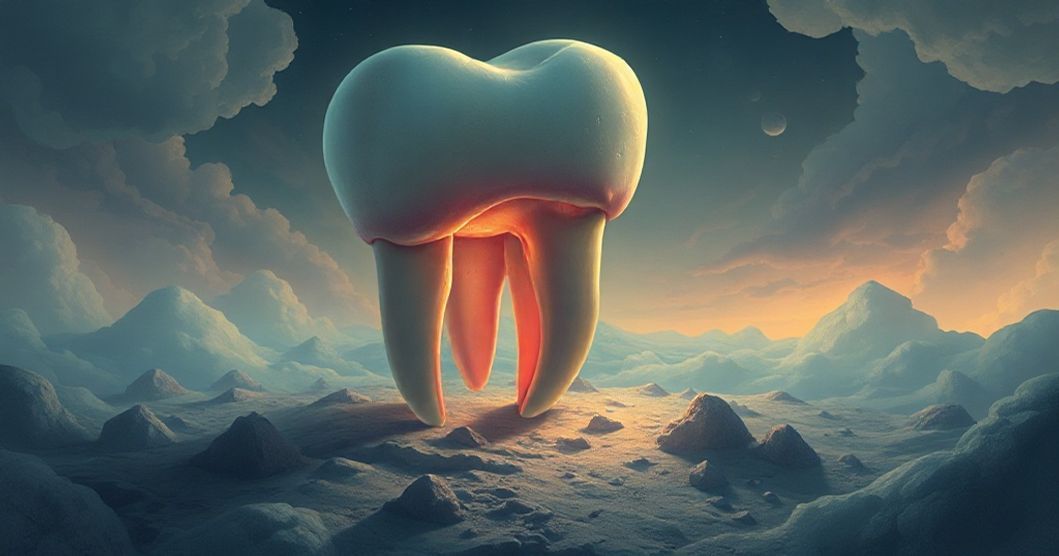
Last night, I awoke with a vivid, unsettling dream etched in my mind: I stood in what felt like my childhood kitchen, the fluorescent lights casting harsh shadows across the countertop. In my hand, I held a small mirror, and as I opened my mouth to examine my teeth, I felt a sudden, strange movement—a tiny crack spreading across my back molar. I’d known this tooth was chipped for years, a leftover from a childhood sports injury, but in the dream, its imperfection felt magnified, almost grotesque. Without warning, the chipped edge fractured further, and I watched in horror as a small piece of my tooth broke off, floating down into my palm like a fragment of glass. Then, the entire molar began to loosen, wobbling in its socket until it suddenly detached, falling out completely. The sound—a soft pop—echoed in my ears, and I tasted a metallic, coppery flavor in my mouth. When I woke, I sat up in bed, heart racing, still feeling the phantom sensation of that tooth slipping from my mouth. All day, the dream haunted me: the cold fear of losing something vital, the visual of that broken tooth, the realization that my body had betrayed me even in sleep. Later, I mentioned it to my sister, and her casual comment—“Oh, that means someone in the family will die”—sent a shiver through me. Now, hours later, I’m still reeling, my mind fixated on the connection between a simple dental dream and such a profound, terrifying interpretation.
Part 2: Clinical Analysis
Want a More Personalized Interpretation?
Get your own AI-powered dream analysis tailored specifically to your dream
🔮Try Dream Analysis FreeSymbolic Landscape: The Tooth as Vulnerability and Identity
Tooth loss in dreams carries deep symbolic weight across cultures and psychological traditions, representing themes of vulnerability, loss, and the fragility of identity. In this particular dream, the specific details—the back molar, already chipped, falling out completely—amplify these themes. A molar, located at the back of the mouth, often relates to digestion and foundational health, making its loss a powerful metaphor for losing something essential to one’s well-being. The chipped tooth adds a layer of personal history: that imperfection, a physical reminder of past injury or neglect, becomes a focal point of vulnerability in the dream state.
The act of the tooth falling out rather than being pulled suggests a loss occurring outside of conscious control—a common dream motif for situations where we feel powerless to prevent change. In Jungian psychology, the mouth represents communication and self-expression, while teeth symbolize our sense of worth and vitality. Losing a tooth can therefore signify anxiety about one’s ability to “speak” or be heard, or fear of losing a core aspect of identity. The metallic taste and physical sensation of the tooth falling out heighten the dream’s visceral quality, anchoring the symbolic loss in concrete sensory experience.
Psychological Currents: Anxiety, Mortality, and Unconscious Fears
From a Freudian perspective, dreams often manifest repressed anxieties and unresolved conflicts. The tooth loss could symbolize repressed fears about aging, health, or mortality, particularly given the family member’s reference to death in the family. This connection reflects how cultural beliefs about dreams as omens can intersect with personal anxieties, creating a feedback loop of fear.
Modern dream research suggests that dental dreams frequently correlate with anxiety about change, particularly in relationships or life transitions. The chipped tooth might represent a pre-existing “imperfection” in the dreamer’s life—a situation, relationship, or self-perception that feels fragile and on the verge of breaking. The family member’s interpretation, while culturally influenced, taps into our collective fear of losing loved ones, which the unconscious might dramatize through a physical symptom (tooth loss) that feels equally threatening.
Emotional & Life Context: Unpacking the Layers of Fear
The persistence of this dream throughout the day suggests it has touched on deep-seated emotional triggers. The dreamer’s panic likely stems from multiple sources: concern about family health, stress about personal mortality, or anxiety about relationships. The chipped tooth, a physical reminder of past injury, might symbolize a long-standing vulnerability—perhaps a past loss or trauma that continues to affect the present. When we hold onto physical reminders of past pain, the unconscious may project these onto our dreams, using the body’s own vulnerabilities as metaphors for emotional ones.
The family member’s comment—“someone in the family will die”—reflects how cultural beliefs about dreams as prophetic can intensify anxiety. This highlights the importance of distinguishing between literal predictions and symbolic communication. The dream’s power lies not in its predictive nature but in its ability to illuminate unconscious fears that may be unresolved in waking life.
Therapeutic Insights: Integrating the Dream’s Message
This dream invites the dreamer to explore underlying fears about loss and vulnerability. The first step is to separate the symbolic from the literal: while the family member’s interpretation may feel personally threatening, the dream more likely speaks to internal anxieties about self-worth, health, or control. Journaling about recent life changes, relationships, or health concerns can help identify what “imperfection” the chipped tooth might represent.
Practices like grounding exercises during moments of panic can help differentiate between dream anxiety and waking reality. Mindfulness meditation focusing on the body’s sensations can help the dreamer reconnect with their physical self without being overwhelmed by symbolic imagery. Additionally, exploring the relationship between dental health and self-care—both physical and emotional—can transform the dream’s message from a source of fear to a call for attention to one’s well-being.
FAQ Section
Q: Does a tooth falling out in a dream really predict death in the family?
A: No. Dream symbols rarely predict literal events. The tooth loss more likely reflects internal fears about loss, change, or vulnerability, while cultural beliefs about death omens project onto the dream.
Q: What does a chipped tooth symbolize in dreams?
A: A chipped tooth often represents a perceived “imperfection” in your life—a situation, relationship, or self-image that feels fragile. It may signal anxiety about maintaining control over something important.
Q: How can I stop feeling so panicked about this dream?
A: Ground yourself in the present moment, practice self-compassion, and explore the dream’s connection to current life stressors. Journaling can help you separate symbolic anxiety from real concerns.