
Part 1: Dream Presentation
Dreams often serve as emotional barometers, reflecting our inner landscapes as they process trauma and healing. This particular dream, emerging after a PTSD diagnosis and medication adjustment, offers a window into the dreamer’s evolving emotional state and symbolic attempts at reclaiming control.
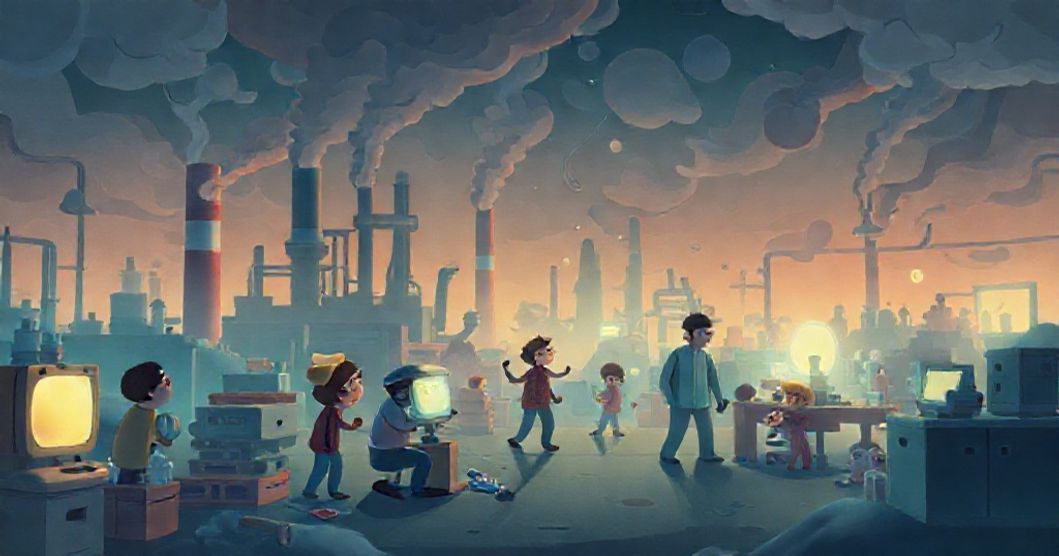
In this dream, I found myself back in the factory where I once worked, a place that had long triggered anxiety with its relentless 12-hour swing shifts. The memory of those grueling hours, which my mental health simply couldn’t sustain, lingered as I navigated this reimagined workplace. Yet this time, the factory wasn’t the source of dread it once was; instead, I was in a classroom, where I encountered two figures instantly recognizable from my childhood: Beavis and Butthead.
I approached them with a practical urgency, knowing I needed relief from the impossible demands of my role. “Bevis,” I said, “I need you to take my dayshift shifts. You’re perfect for that.” He grinned, his signature cackle echoing: “Hehehe, I can do that!” Then I turned to Butthead, “And you, Butthead, your night shifts would be ideal.” His response was equally dismissive yet compliant: “Hehehe, cool.” With their agreement secured, I took a much-needed vacation, confident in our bargain.
Want a More Personalized Interpretation?
Get your own AI-powered dream analysis tailored specifically to your dream
🔮Try Dream Analysis FreeBut the dream’s tension soon returned. Upon my return, my supervisor confronted me, threatening termination for abandoning my duties. “Bevis! Butthead!” I exclaimed, “We made a deal!” Butthead scoffed, “Yeah, but work sucks.” Bevis nodded in agreement, adding, “Driving a forklift is lame anyway.” Frustration boiled over: “You guys suck!” I snapped.
Their rejection of my plea shifted to something else entirely. Suddenly, both boys turned flirtatious, offering to “ask me out.” I saw through their intentions immediately—this was never about friendship, but about “scoring.” Their advances felt hollow, a reminder of how trauma can sometimes manifest even in playful dream scenarios. Yet in the dream’s conclusion, I felt a strange clarity: I was no longer trapped by the fear I once felt in such situations.
When I woke, I smiled. After months of nightmares and heavy themes, this dream felt like a breath of fresh air—a reminder that healing isn’t just about surviving darkness, but also about reclaiming the ability to laugh at life’s absurdities, even in our sleep.
Part 2: Clinical Analysis
Symbolic Landscape: Factory, Shifts, and Cartoon Archetypes
The factory setting in the dream carries significant symbolic weight, representing the dreamer’s past workplace stressors and the 12-hour swing shifts that triggered PTSD symptoms. The factory itself may symbolize the “assembly line” of trauma—repetitive, overwhelming, and unforgiving—yet its reappearance in a dream where the dreamer is now negotiating shifts suggests a shift in relationship to this source of stress. Previously, the factory was a place of dread; now, it functions as a backdrop for playful power dynamics.
Beavis and Butthead, the iconic cartoon duo, serve as powerful symbolic figures. These characters embody youthful rebellion, thoughtlessness, and a carefree disregard for responsibility—qualities the dreamer may be projecting onto unresolved aspects of their own psyche or onto external pressures. Their agreement to take shifts initially suggests a desire to outsource burdens, a common psychological defense mechanism when feeling overwhelmed by life demands. However, their eventual refusal to honor the bargain (“work sucks”) and shift to flirtatious advances introduces a layer of complexity: the dreamer’s subconscious may be processing how trauma can sometimes manifest even in seemingly positive interactions, where others’ intentions feel transactional rather than genuine.
Psychological Undercurrents: Trauma, Medication, and Dream Evolution
From a Jungian perspective, the factory and Beavis/Butthead may represent the “shadow” aspects of the dreamer’s psyche—the parts of self that feel overwhelming or unmanageable. The dream’s transition from workplace conflict to flirtatious advances mirrors the broader journey of PTSD recovery: moving from internalized shame and fear to a place where the dreamer can recognize and even laugh at the absurdity of trauma’s lingering effects.
Freudian theory might interpret the shift to humor as a form of “dream work”—the unconscious mind processing repressed emotions through comedy rather than through the more typical nightmares associated with PTSD. The medication Prazosin, which stabilizes blood pressure and reduces nightmares, aligns with this shift: when physiological stressors are managed, the unconscious can process emotions through more adaptive, less threatening dream narratives.
Neurologically, this transition suggests the brain’s natural resilience in healing. After months of trauma-related dreaming, the shift to humor indicates the prefrontal cortex’s reemergence in sleep architecture—allowing for emotional regulation and creative problem-solving even in dreams.
Emotional and Life Context: Reclaiming Agency Through Humor
The dreamer’s mention of “glad that my dreams are funny now” reflects a significant emotional milestone. After a period of nightmare-dominated sleep, the return to humor signals progress in PTSD treatment. The factory, once a source of anxiety, now becomes a stage for playful negotiation—a metaphor for the dreamer’s growing confidence in setting boundaries and asserting needs.
The flirtatious advances from Beavis and Butthead can be seen as a symbolic representation of how trauma survivors often struggle with trust in relationships. The dreamer’s clear recognition that the characters were “just trying to score” rather than form genuine connections suggests a developing emotional awareness: the ability to discern transactional interactions from authentic ones, a key step in trauma recovery.
Therapeutic Insights: From Nightmares to Humor as a Healing Tool
This dream offers several therapeutic takeaways. First, the shift from negative to humorous dreams indicates successful trauma processing—a sign that the mind is integrating difficult experiences without re-traumatizing. The dreamer might benefit from reflecting on this transition: what changes in daily life or therapeutic work accompanied this shift? Journaling about both the factory and Beavis/Butthead interactions could reveal patterns in how the mind processes stress.
The act of negotiating shifts with cartoon characters also represents a healthy boundary-setting exercise. The dreamer’s frustration at the characters’ refusal to honor the deal (“You guys suck”) mirrors real-world moments of asserting one’s limits, and the eventual clarity about their intentions suggests a growing assertiveness in recognizing when others’ actions are self-serving. This could translate into real-world practice: setting clear boundaries in relationships and work environments.
Finally, the humor in the dream serves as a protective mechanism and a sign of emotional resilience. Trauma often leaves individuals hypervigilant to threats, but the ability to laugh at one’s own dream narrative indicates a reduced threat response and increased emotional flexibility.
FAQ: Navigating Dream Symbolism and Trauma Recovery
Q: Why did the dreamer feel relief when Beavis and Butthead agreed to take shifts?
A: Their agreement symbolized the dreamer’s subconscious desire to outsource emotional burdens temporarily, a healthy strategy when feeling overwhelmed by life demands. It reflects the need to set boundaries and trust others to help, even in the context of past trauma.
Q: What does it mean that Beavis and Butthead tried to “score” instead of keeping their word?
A: This represents the dreamer’s struggle with transactional relationships post-trauma—learning to recognize when others’ intentions feel self-serving rather than genuine. It highlights the importance of discernment in trust-building.
Q: How does the shift from negative to funny dreams signify healing?
A: Humor in dreams after trauma indicates the unconscious is processing emotions adaptively, no longer trapped in re-traumatizing nightmares. It suggests the brain is integrating pain into a more manageable narrative, a key sign of emotional progress.