
Part 1: Dream Presentation
Dreams have long served as windows into the unconscious, offering glimpses of our deepest fears, unresolved emotions, and hidden desires. This particular dream narrative unfolds as a compelling journey from terror to transformation, revealing how confronting the unknown can lead to unexpected resolution. The dream begins with a recurring childhood nightmare featuring a large white-gloved hand—distinctly Mickey Mouse-like in its proportions, yet deeply unsettling in its relentless pursuit. The dreamer’s nickname for the hand, 'La Mano Sin Cabeza' ('The Headless Hand'), hints at the faceless terror it represents, a fear that persisted into adolescence despite diminishing frequency. The setting shifts dramatically when the hand appears in an unfamiliar desert village, yet the dreamer’s response evolves from primal flight to deliberate confrontation. This pivotal moment—turning to face the hand and demanding answers—reveals a psychological shift from passivity to agency. The hand’s unexpected confession of wanting friendship, followed by a dance into the sunset, marks a profound resolution, ending the nightmare permanently. This narrative invites exploration into the symbolic language of dreams, the nature of fear, and the healing power of empathy.
Symbolic Analysis: Unpacking the Dream’s Key Elements
The 'Headless Hand' emerges as a multifaceted symbol in this dream, representing the shadow aspects of the self—fears, anxieties, or repressed emotions that feel threatening yet familiar. In classic dream theory, hands often symbolize agency, power, and the ability to act, while gloves can represent a barrier between the self and others, or a facade hiding true intentions. The hand’s gloved nature suggests a paradox: it appears threatening yet wears a disguise, much like how we sometimes project fear onto unknown aspects of ourselves. The hand’s 'headless' quality hints at the facelessness of our fears—they often feel without form or reason, emerging from the unconscious to disrupt our sense of safety.
Want a More Personalized Interpretation?
Get your own AI-powered dream analysis tailored specifically to your dream
🔮Try Dream Analysis FreeThe desert village setting introduces a new layer of symbolism, representing a transitional space between the known and unknown. Deserts in dreams typically signify emotional aridity, spiritual journey, or the harshness of reality, while villages often symbolize community, identity, and rootedness. The unexpected appearance of the hand in this unfamiliar setting suggests that fears can manifest in new contexts, even when we believe we’ve outgrown them. The hand’s confession—'I just wanted to be your friend'—represents the unconscious’s attempt to bridge the gap between fear and connection, revealing that what we perceive as threatening may actually be seeking understanding or companionship.
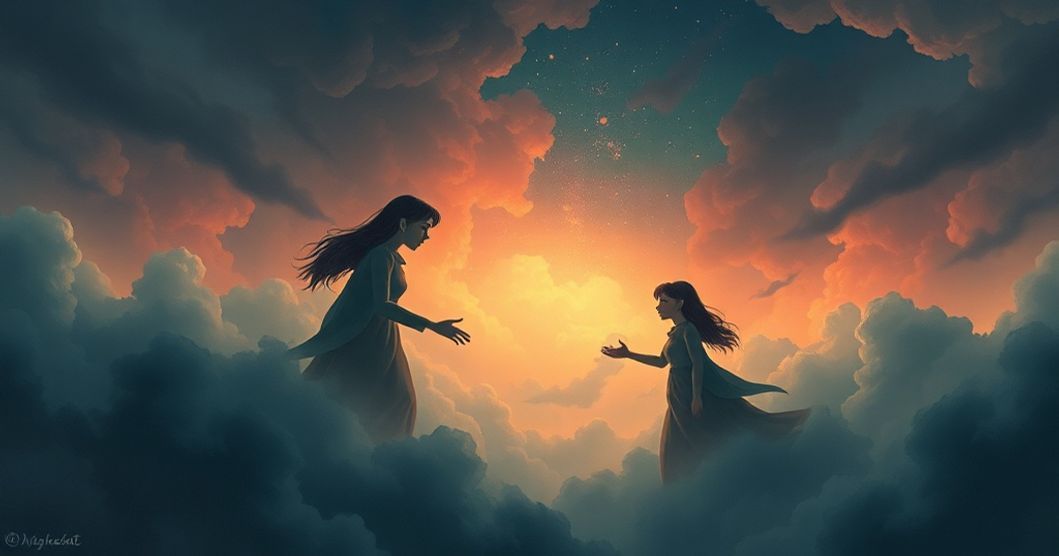
The act of dancing with the hand is particularly significant, as dance in dreams often symbolizes movement toward integration, celebration, or reconciliation. In this case, the dance transforms conflict into collaboration, suggesting that the dreamer’s internal shift from fear to confrontation allowed for a new relationship with the previously threatening figure. The sunset serves as a powerful symbol of transition and closure, marking the end of the nightmare and the beginning of a new emotional state.
Psychological Perspectives: Understanding the Dream’s Layers
From a Jungian perspective, the 'Headless Hand' embodies the shadow archetype—the repressed, unconscious aspects of the self that we fear or reject. The hand’s initial appearance as a threat represents the shadow’s tendency to overwhelm us when unacknowledged. The dreamer’s decision to confront the hand reflects the process of individuation, where the conscious mind engages with the unconscious to integrate these shadow elements. Jung emphasized that dreams often present us with opportunities to reconcile conflicting parts of ourselves, and this dream exemplifies that process through the unexpected friendship.
Freudian analysis might interpret the hand as a symbol of repressed desires or anxieties. The hand’s gloved nature could represent the dreamer’s attempts to control or hide certain aspects of themselves, while the 'headless' quality suggests the disconnection between these desires and the dreamer’s conscious identity. The hand’s apology and desire for friendship could reflect the unconscious’s yearning for self-compassion and acceptance, aspects that may have been suppressed in waking life.
Modern dream psychology, drawing on cognitive neuroscience, views dreams as a form of emotional processing, where the brain integrates memories and emotions during sleep. The recurring nightmare may have represented an unresolved emotional conflict that needed resolution, while the final dream’s transformation suggests that the dreamer’s mind found a new way to process and integrate these emotions through confrontation and empathy. This aligns with the findings of dream researcher J. Allan Hobson, who posits that dreams help the brain sort through emotional experiences, and this particular dream demonstrates how the dreamer’s internal shift allowed for a more adaptive emotional response.
Emotional & Life Context: Unpacking the Waking Triggers
The recurring nightmare likely reflects deep-seated childhood fears, possibly related to feelings of powerlessness or uncertainty. The hand’s relentless pursuit without explanation mirrors how children often face inexplicable fears that feel overwhelming and unassailable. The family’s teasing about the nightmare could have reinforced the idea that the fear was 'silly' or unjustified, further suppressing the dreamer’s ability to process these emotions consciously.
As the dreamer transitioned into adolescence, the nightmare persisted but in a diminished form, suggesting that the underlying emotional issue remained unresolved. The new desert village setting in the dream may represent the dreamer’s attempt to establish a new identity or navigate a different life phase, perhaps moving from childhood to adulthood. The unexpected appearance of the hand in this new environment suggests that old fears can resurface even in unfamiliar contexts, challenging the dreamer to confront them anew.
The pivotal moment of turning to face the hand rather than fleeing represents a significant internal shift—a shift from passivity to agency. This could correspond to waking life experiences where the dreamer began taking control of their emotional responses, rather than being controlled by fear. The hand’s apology and desire for friendship symbolize the dreamer’s unconscious recognition that the fear itself might have been a barrier to connection, both with others and with their own true self.
Therapeutic Insights: Lessons from the Dream
This dream offers several therapeutic insights for anyone facing recurring fears or nightmares. First, it demonstrates the power of confrontation in the unconscious mind: by turning toward the feared figure rather than away, the dreamer transformed a source of terror into a potential friend. This suggests that in waking life, facing difficult emotions rather than avoiding them can lead to resolution.
The dream also highlights the importance of empathy—both for the self and for the parts of ourselves we perceive as 'threatening.' The hand’s confession of wanting friendship reveals that what we fear might actually be seeking connection, a reminder that vulnerability and openness can dissolve even the most daunting barriers. This aligns with therapeutic approaches that emphasize self-compassion and understanding.
For the dreamer, this narrative suggests that integrating conflicting parts of the self—fears and desires, light and dark—can lead to profound transformation. The act of dancing with the hand symbolizes the dance between opposing forces, finding harmony rather than conflict. In practical terms, this could translate into mindfulness practices where the dreamer learns to observe fears without judgment, then respond with curiosity and empathy.
FAQ Section
Q: Why did the hand apologize and want to be friends?
A: The hand’s apology likely represents the unconscious’s recognition of fear as a misunderstood protector, not an enemy. Wanting friendship suggests the dreamer’s inner self yearns for connection, even with parts of themselves they previously feared.
Q: What does the desert village symbolize?
A: The desert village represents transition and uncertainty, a new phase of life where old fears resurface. Its 'dingy' quality may reflect emotional aridity or unprocessed feelings that needed attention.
Q: Why did dancing with the hand end the nightmare?
A: Dance symbolizes movement and integration. By engaging the hand in a positive, collaborative activity, the dreamer transformed conflict into connection, resolving the fear’s underlying emotional issue permanently.