
Part 1: Dream Presentation
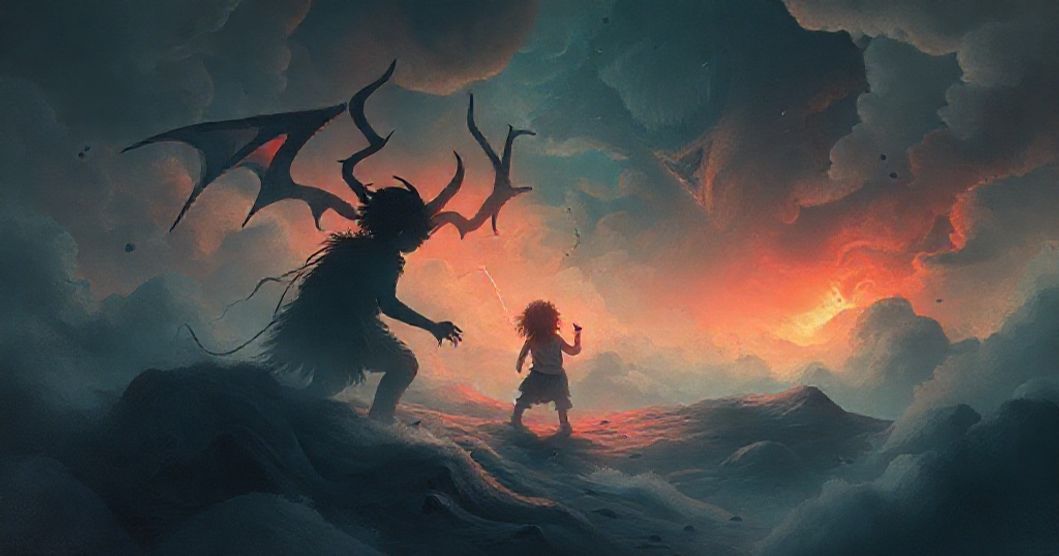
Dreams have long served as windows into the unconscious mind, offering insights into our deepest fears, unresolved emotions, and spiritual landscapes. This particular dream narrative unfolds as a childhood nightmare that would shape the dreamer’s understanding of fear, protection, and spiritual warfare. In the early years, between the ages of three and six, a recurring nightmare haunted the dreamer’s sleep: a disorienting journey toward a bathroom door, where the sound of crying and laughter emanated from beneath a rustled blanket. Upon lifting the blanket, a small red figure with horns would leap into view, screaming and terrifying the child. This nightly terror became so overwhelming that the dreamer, in a moment of unexpected courage, resolved to confront the fear directly by attempting to befriend the creature. In the subsequent dream, they soared outside their mother’s house, the demonic figure vanishing entirely. Years later, the dreamer recognized this as a demonic attack, seeking spiritual understanding and safety.
Part 2: Clinical Analysis
Symbolic Landscape: Demonic Imagery and Childhood Fears
Want a More Personalized Interpretation?
Get your own AI-powered dream analysis tailored specifically to your dream
🔮Try Dream Analysis FreeThe recurring nightmare contains powerful symbolic elements that reveal the dreamer’s inner psychological landscape. The red baby with horns represents a classic demonic archetype in dream imagery, embodying primal fear, repressed emotions, and spiritual oppression. Red often signifies danger, passion, or the threshold between light and darkness in symbolic language, while horns universally denote aggression, authority, or the “shadow” self in Jungian psychology. The bathroom setting, a space associated with purification and exposure, becomes a liminal space where the unconscious fears are made visible. The rustling blanket symbolizes hidden trauma or suppressed emotions beneath the surface of daily life, while the creature’s scream represents the terror of confronting one’s deepest anxieties. The act of “befriending” the demon in the dream reflects a crucial psychological process: integrating fear rather than suppressing it, a theme that would later lead to the dreamer’s spiritual awakening.
Psychological Perspectives: Fear, Trauma, and Spiritual Narratives
From a psychological lens, this dream can be analyzed through multiple theoretical frameworks. Jungian psychology might interpret the demonic figure as a manifestation of the dreamer’s shadow self—unconscious fears and repressed aspects of the psyche that sought integration. The recurring nature of the nightmare suggests an unresolved issue from childhood, likely tied to the dreamer’s relationship with their mother (whom they describe as distant and potentially involved in harmful practices). Freud’s psychoanalytic perspective could view the dream as a symbolic representation of the child’s anxiety about maternal influence, with the demonic figure embodying forbidden or threatening aspects of the parent-child bond. From a spiritual or religious perspective, the dream aligns with the concept of spiritual warfare, where demonic forces seek to disrupt peace and safety. The dreamer’s decision to “befriend” the creature rather than flee reflects a proactive approach to trauma, a strategy that aligns with modern therapeutic approaches emphasizing exposure and confrontation of fears.
Emotional & Life Context: Trauma, Family, and Spiritual Awakening
The dreamer’s narrative reveals deep emotional undercurrents tied to family dynamics and spiritual identity. The recurring nightmare occurred during a period of estrangement from their mother, who they believe engaged in satanic or black magic practices. This perception of maternal influence creates a layer of fear and guilt, as the dreamer feels their childhood was marked by spiritual danger. The emotional impact of the nightmare is evident in the dreamer’s description of sleeplessness and terror, yet their resolution to “befriend” the creature suggests an inner strength that transcended the fear. The dreamer’s later recognition of demonic influence aligns with a broader theme of spiritual awakening, where past experiences gain new meaning through adult reflection. The absence of prayer or faith-based coping mechanisms during childhood creates a tension between past and present spiritual understanding, highlighting the role of faith in processing traumatic experiences.
Therapeutic Insights: Confronting Fear and Embracing Faith
The dream offers valuable therapeutic insights for anyone facing recurring nightmares or spiritual anxiety. First, it underscores the power of confronting rather than suppressing fear—a key principle in cognitive-behavioral therapy, where exposure to feared stimuli reduces anxiety. The dreamer’s act of “befriending” the demonic figure illustrates how integrating one’s shadow self can lead to healing. For those with spiritual beliefs, the dream suggests that faith and prayer can serve as protective mechanisms against fear. The dreamer’s current prayer for their mother reflects a compassionate approach to spiritual struggle, recognizing that even those we fear may be victims of their own darkness. Practical reflection exercises might include journaling about recurring nightmares to identify patterns, practicing mindfulness to reduce fear responses, and engaging in spiritual practices like prayer or meditation to foster a sense of protection and connection. Long-term integration involves processing unresolved family dynamics and cultivating self-compassion.
FAQ Section
Q: What does the demonic figure symbolize in this context?
A: The red-horned figure likely represents the dreamer’s repressed fears, anxieties, or spiritual oppression. In religious frameworks, it may symbolize demonic influence, while psychologically, it embodies the shadow self—unconscious aspects needing integration.
Q: How does childhood trauma manifest in dreams?
A: Recurring nightmares often reflect unresolved childhood trauma. The dreamer’s experience shows how fears from early life can persist symbolically, manifesting as demonic figures until addressed through confrontation or spiritual means.
Q: Can spiritual practices help prevent future nightmares?
A: Yes. Practices like prayer, meditation, and mindfulness create protective psychological and spiritual boundaries, helping to process fear and foster inner peace. The dreamer’s journey illustrates how confronting fear directly and seeking spiritual connection can transform nightmares into healing experiences.