
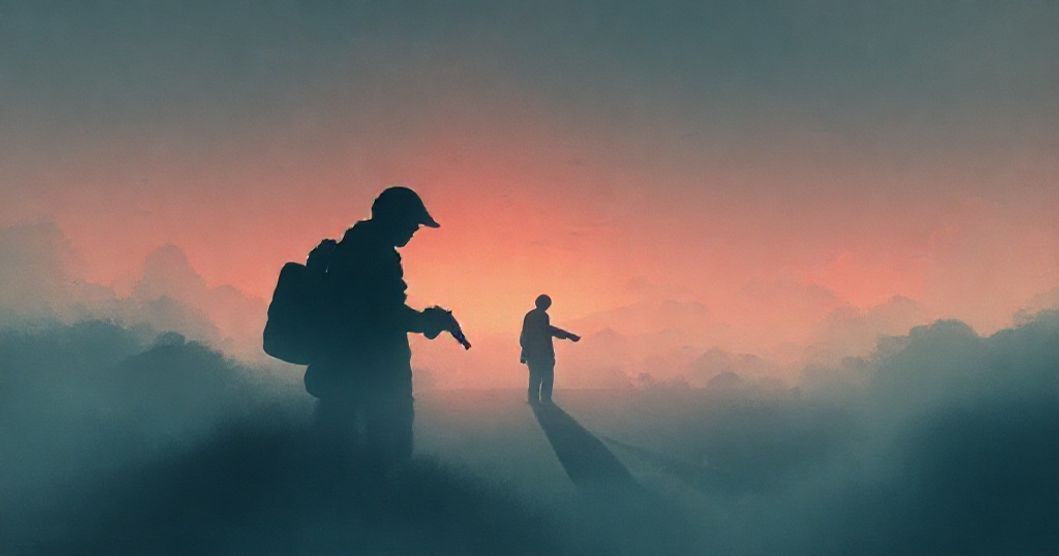
Part 1: Dream Presentation
Dreams have long served as windows into the unconscious mind, revealing truths we cannot always articulate while awake. This particular dream sequence unfolds as a psychological Rorschach test of sorts—presenting recurring themes of sudden threat, protective action, and disorienting vulnerability. The dreamer describes waking in a cold sweat after scenarios where ordinary environments transform into sites of violence, always beginning with calm and ending with abrupt terror. The narrative includes specific locations—school hallways, Walmart aisles, grandparents’ backyards, parking lots—and recurring characters: the younger brother, cousins, and family members, suggesting a focus on loved ones as both targets and anchors of protection.
The dream begins innocently enough, with the sensory details of daily life—chalk dust, fluorescent lights, the smell of magnolia blossoms—before the intrusion of gunfire shatters the illusion of safety. This pattern of contrast (safety → threat) is crucial: the dream does not begin with danger but with a false sense of security, making the violence feel both unexpected and inevitable. The recurring elements—the shooter’s unpredictable appearance, the dreamer’s immediate protective response, and the visceral aftermath of blood and chaos—create a symbolic language of threat and survival.
Part 2: Clinical Analysis
Want a More Personalized Interpretation?
Get your own AI-powered dream analysis tailored specifically to your dream
🔮Try Dream Analysis FreeSymbolic Landscape: The Shooter as Unseen Threat
The recurring shooter represents a multifaceted symbol in dreamwork. In Jungian psychology, such figures often embody repressed fears or shadow aspects—the parts of ourselves we avoid acknowledging. The shooter’s anonymity (sometimes seen, sometimes not) suggests the dreamer may be grappling with an abstract threat rather than a concrete danger: anxiety about future events, societal instability, or personal inadequacy. The varied settings—school, retail spaces, family homes—represent different domains of life where the dreamer feels simultaneously exposed and responsible for protection.
The act of hiding or fleeing in these dreams carries significant emotional weight. In the school scenario, the dreamer physically shields their brother, evoking the archetypal role of the protector—a theme common in dreams of childhood vulnerability. The blood imagery, while disturbing, symbolizes the cost of protection: the dreamer’s emotional investment in keeping loved ones safe, even at the cost of their own peace. The dream’s abrupt endings—waking moments after the shooting begins—reflect the psyche’s attempt to contain overwhelming emotions, much like how we might jolt awake from a nightmare to regain control.
Psychological Perspectives: Anxiety, Threat Simulation, and the Unconscious
From a Freudian lens, these dreams may represent displaced aggression or repressed fears manifesting as symbolic violence. The repetition suggests an unresolved conflict—perhaps unprocessed stress about safety, control, or future uncertainty. The dreamer’s question—“am I chasing safety, or running from something I can’t name?”—reflects this unconscious wrestling match between protection and vulnerability.
Cognitive neuroscience offers another framework: the brain’s threat simulation theory, which suggests dreams may practice responses to potential danger, honing survival instincts. In this case, the recurring threat practice might indicate a waking anxiety about real-world dangers—perhaps related to news, social instability, or personal circumstances that feel out of control.
Jungian psychology adds depth by framing the shooter as a shadow archetype—an externalized version of the dreamer’s own fear of powerlessness. The act of confronting the shooter in some dreams (despite the dreamer’s initial terror) suggests a desire to reclaim agency, to face fears rather than flee them. The varying settings across locations might represent different aspects of the dreamer’s identity: the school as youth/education, Walmart as consumerism/community, grandparents’ home as tradition/roots, all sites where safety feels simultaneously achievable and fragile.
Emotional & Life Context: Unspoken Fears and Protective Patterns
These dreams likely reflect a waking state of anxiety about safety, control, or responsibility. The recurring focus on protecting younger family members suggests a deep-seated need to shield those we love, possibly tied to real-life responsibilities or unresolved childhood vulnerabilities. In an era of increasing gun violence and social unrest, the dreamer’s unconscious may be processing collective anxieties about public safety through personal, familial narratives.
The dream’s emotional tone—alternating between calm normalcy and primal terror—mirrors the modern experience of living in a world with constant, low-level threat awareness. The dreamer’s question about whether these dreams “manifest anxiety” or “predict the future” reflects a common struggle: distinguishing between psychological processing and literal prediction. Dreams rarely foretell specific events, but they often mirror emotional states and unconscious preoccupations.
Therapeutic Insights: Processing Threat, Cultivating Safety, and Unpacking Control
For the dreamer, these recurring dreams offer an opportunity for self-reflection. First, consider creating a “safety ritual” in waking life—something as simple as mindfulness exercises before bed to reduce anticipatory anxiety. The recurring theme of protection suggests a need to externalize control: perhaps establishing small, tangible safety practices (like locking doors, carrying identification, or maintaining situational awareness) can reduce the dream’s intensity by addressing real-world safety concerns.
Second, explore the emotional core of the dreams: beneath the fear of shooters lies a deeper need to protect loved ones. Journaling about specific childhood experiences where you felt vulnerable or responsible for others might reveal patterns. For example, if the dreamer has recent responsibilities (parenting, caregiving, or mentoring), these could be triggering feelings of inadequacy in protecting others.
Third, reframe the dream’s “threat” as a call to action rather than a warning. The recurring protective responses in dreams suggest an inner resourcefulness waiting to be activated in waking life. Consider channeling this protective energy into tangible safety measures, community engagement, or advocacy around issues that feel threatening.
FAQ Section
Q: Why do my dreams always start with safety and then turn violent?
A: This pattern reflects the unconscious’s way of testing emotional resilience. It begins with comfort to establish a baseline, then introduces threat to see how you respond—revealing both fears and protective resources.
Q: Is there a connection between these dreams and real-world anxiety about gun violence?
A: Yes. Collective fears about public safety often manifest as recurring threat dreams, especially if the dreamer has absorbed media narratives or personal experiences with danger.
Q: How can I stop these dreams from feeling so terrifying?
A: Practice grounding techniques before sleep (focus on 5-4-3-2-1 sensory awareness), and write down one small protective action you can take daily to externalize the inner protective energy. This helps transform the dream’s powerlessness into waking agency.