
Part 1: Dream Presentation
Dreams have a remarkable way of weaving together disparate threads of our waking interests, cultural touchstones, and unresolved curiosities into surreal narratives that defy logic yet resonate with deeper truths. Consider these two vivid dreams, which unexpectedly merged high-stakes wrestling drama, beloved television personalities, and nostalgic artistic pursuits into unforgettable nocturnal scenes.
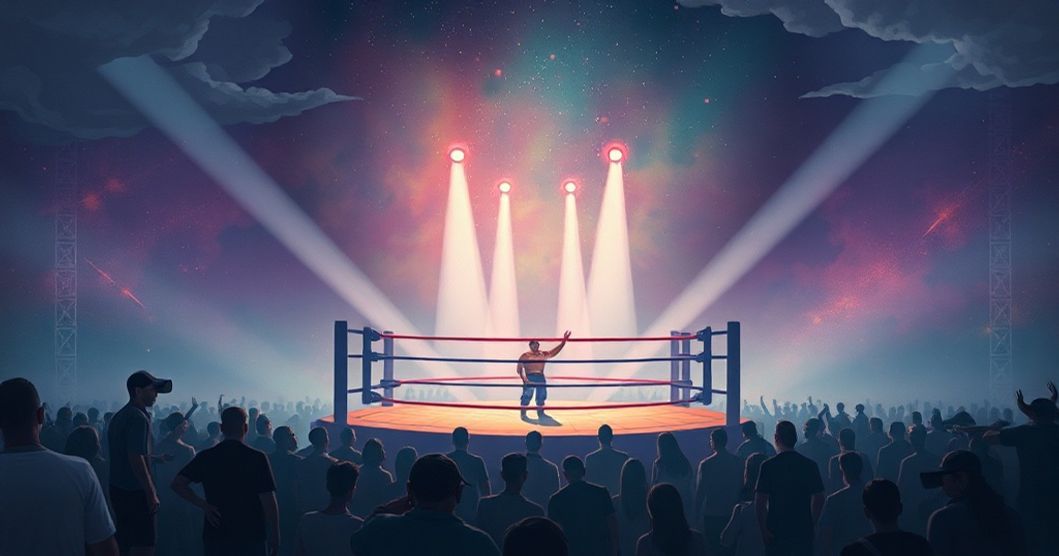
One night, I found myself seated in plush recliners ringside at a women’s wrestling event charged with the gravity of a 'match to the death.' The arena buzzed with energy, the crowd’s roar blending with the metallic clash of steel chairs and the athletic exertion of the performers locked in combat. Beside me, Jeremy Clarkson and James May—their familiar banter and animated commentary—added an unexpected layer of irreverent observation to the high-stakes drama unfolding before us. The second dream, equally surreal, transported me to a sunlit high school classroom where I sat at a cluttered desk, engaged in pixel art—a medium I’d long abandoned in favor of digital tools. Beside me, the imposing figure of Big Van Vader loomed, his presence somehow fitting within the nostalgic walls of my former academic space. I began drawing his distinctive features, the bold lines of his face emerging on the screen, and as I worked, he whispered something I couldn’t quite make out before collapsing dramatically beside me, his death as sudden and theatrical as a wrestling storyline’s final act.
Part 2: Clinical Analysis
Want a More Personalized Interpretation?
Get your own AI-powered dream analysis tailored specifically to your dream
🔮Try Dream Analysis FreeThe Symbolic Arena: Wrestling, Celebrities, and Death
The first dream’s 'match to the death' introduces a powerful symbol of all-or-nothing conflict. In dreamwork, wrestling imagery often reflects internal power struggles, where the 'to the death' framing amplifies themes of confrontation or unresolved tension. The presence of Jeremy Clarkson and James May—known for their irreverent Top Gear banter—transforms the arena into a space of commentary and observation rather than direct action. Recliners, traditionally symbols of relaxation and detachment, position the dreamer as a passive witness, suggesting a need to process external conflicts without immediate engagement.
Big Van Vader’s sudden death in the second dream carries multiple layers. As a legendary wrestler, his imposing physicality and theatrical persona embody archetypal 'larger-than-life' figures. Drawing his face reflects an attempt to capture or understand this legacy before it fades, while his dramatic collapse mirrors anxiety about impermanence—whether of fame, influence, or personal identity. The high school classroom setting, a space of learning and self-discovery, anchors this symbolic death in themes of formative experiences and the passage of time.
Psychological Currents: Jungian and Cognitive Perspectives
From a Jungian lens, the wrestling match represents the shadow archetype—unconscious aspects of self that demand integration. The 'to the death' scenario suggests a confrontation with repressed anger or competition, while the celebrity trio (Clarkson, May, Vader) embodies different aspects of the dreamer’s psyche: Clarkson/May as the critical, playful observer; Vader as the primal, dominant force. This triad mirrors the dreamer’s internal dialogue between criticism, creativity, and power.
Cognitive dream theory offers another framework, viewing these dreams as associative processing. The Top Gear hosts and wrestling icons likely stem from recent media consumption or long-standing fandoms, while pixel art in a classroom reflects nostalgia for simpler creative times. The mind’s ability to merge these disparate elements into a cohesive narrative suggests an attempt to reconcile adult responsibilities with youthful passions.
Emotional and Life Context: Fandom, Legacy, and Creative Longing
These dreams likely emerge from the dreamer’s engagement with pop culture—specifically, wrestling history and automotive commentary shows. The 'match to the death' could reflect anxiety about current life choices requiring decisive action, while the pixel art scene suggests a yearning for uncomplicated creativity amid adult pressures. Big Van Vader’s death may symbolize mourning for a bygone era of wrestling or a fear of losing influence in one’s professional or creative pursuits.
The contrast between the two dreams—one active, competitive; the other passive, artistic—highlights internal tensions: between action and reflection, between public persona and private creativity. The dreamer may be navigating a midlife transition, reconnecting with childhood passions while confronting the mortality of beloved cultural icons.
Therapeutic Insights: Unpacking the Dreamer’s Inner Landscape
The first dream invites reflection on whether current conflicts require all-out engagement or detached observation. Journaling about recent confrontations and identifying 'recliner moments' (times to observe rather than react) could foster emotional regulation.
Big Van Vader’s presence in the classroom urges the dreamer to revisit creative roots. Pixel art, once a source of joy, may represent a neglected aspect of self. Reclaiming this medium—even informally—could serve as a therapeutic outlet for processing legacy anxiety.
The recurring theme of 'death' in both dreams suggests a need to honor endings while preserving meaning. Whether literal or symbolic, these deaths encourage the dreamer to identify what truly matters and let go of what no longer serves them.
FAQ Section
Q: Why would I dream about wrestling 'to the death' with specific celebrities?
A: Wrestling dreams often reflect power struggles or unexpressed competition, while celebrities symbolize admired traits. This could represent processing intense feelings about a current challenge or relationship.
Q: What does Big Van Vader’s sudden death signify?
A: His death may symbolize confronting the end of a significant influence or phase of life. Drawing his face suggests an attempt to capture and understand this legacy before it fades.
Q: Why combine pixel art with a wrestling legend in a high school setting?
A: Pixel art evokes nostalgia for simpler creative times, and high school represents formative years. This blend suggests reconnecting with uncomplicated creativity while processing the weight of larger-than-life figures’ legacies.