
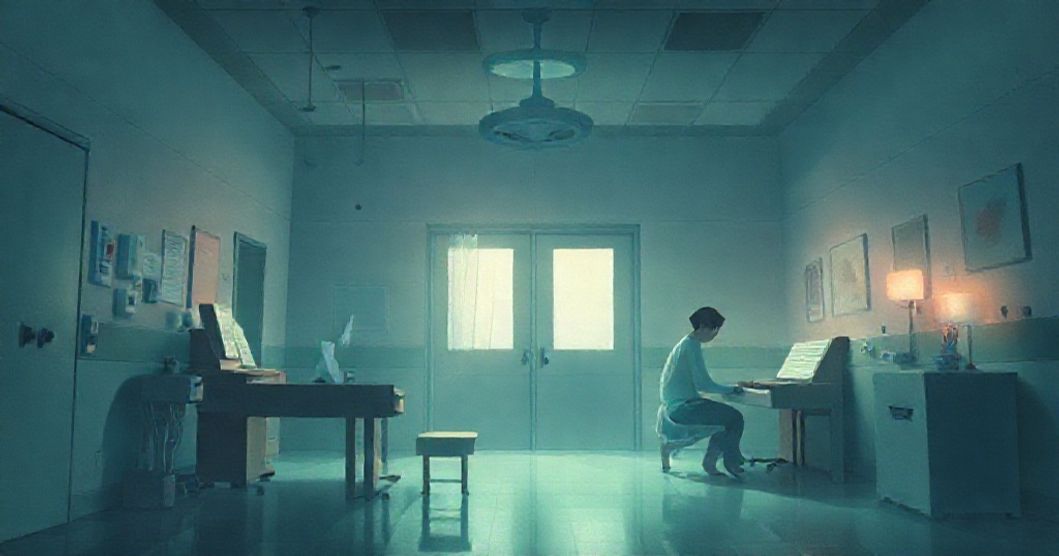
Part 1: Dream Presentation
Dreams often serve as portals to the unconscious, revealing truths we cannot articulate while awake. This particular dream unfolds like a fragmented memory, blending moments of profound connection with surreal disorientation and emotional conflict. The dream begins in a hospital—a space traditionally associated with healing, transition, and vulnerability—where the dreamer encounters Cassidy, a figure who elicits an overwhelming need to express love. Their embrace feels both tender and urgent, suggesting an unmet emotional need or a longing for reconciliation. The dreamer then transitions to a home that is simultaneously familiar and strange, a liminal space where the boundaries between reality and the unconscious blur.
The rewritten dream narrative captures this journey in full: from the emotional clarity of the hospital moment to the chaotic kitchen where empty ice cream boxes and an upside-down carton suggest unresolved abundance or waste, symbolizing emotional clutter. The tangled ceiling fan represents frustration with control, while the orange-haired woman embodies a maternal or guiding archetype. The scene shifts to family members—mother and her husband—who embody stability and anticipation, yet the dreamer feels both elation and fear, a common emotional paradox in dreams that reflects waking life tensions.
The surreal elements—the computer parts arranged as an upside-down piano, playing music despite its impossible orientation—introduce a layer of magical thinking, suggesting a creative or spiritual dimension. The final transition back to the familiar room, accompanied by loneliness and ungratefulness, frames the dream as a mirror of the dreamer’s internal emotional state upon waking.
Want a More Personalized Interpretation?
Get your own AI-powered dream analysis tailored specifically to your dream
🔮Try Dream Analysis FreePart 2: Clinical Analysis
Symbolic Landscape: Unpacking the Dream’s Core Imagery
The hospital setting functions as a liminal space—a threshold between states of being. In dream psychology, hospitals often symbolize emotional healing, transition, or the need to confront unresolved issues. The absence of medical personnel in this dream suggests the focus is not on physical illness but on emotional well-being. Cassidy, the figure embraced with such intensity, likely represents a significant relationship or aspect of the self the dreamer feels compelled to reconcile with.
The kitchen, a space of nourishment and comfort, becomes a site of disarray. Empty ice cream boxes and spilled pink liquid (likely strawberry or vanilla, evoking childhood comfort) surrounded by overflowing trash suggest emotional clutter—leftover feelings from Thanksgiving gatherings, perhaps. The upside-down carton, leaking uncontrollably, mirrors the dreamer’s struggle to contain emotions that feel overwhelming. In dream symbolism, food imagery often relates to emotional sustenance; an empty carton might represent depleted resources or unfulfilled desires for connection.
The ceiling fan, a mundane household object, transforms into a source of frustration. Tangled strings and the need to yank it free reflect the dreamer’s attempts to regain control over chaotic emotions. The orange-haired woman, appearing just as the dreamer struggles, embodies a maternal or wise feminine archetype—someone who offers guidance but remains distant, suggesting the dreamer seeks external validation while feeling internally adrift.
The surreal kitchen, with computer parts arranged as an upside-down piano, is perhaps the most significant symbol. In dreams, musical instruments often represent emotional expression, and an upside-down piano inverts the usual upright form, suggesting a reimagining of how creativity manifests. Computer parts imply technological or intellectual elements, merging the creative (piano) with the practical (computer), symbolizing the tension between logical thinking and emotional expression.
Psychological Perspectives: Understanding the Dreamer’s Inner Landscape
From a Jungian perspective, this dream contains multiple archetypes: the shadow (the chaotic kitchen), the anima/animus (Cassidy as a significant relationship figure), and the wise old woman (the orange-haired woman). The shadow aspect—the disorganized home—reflects the dreamer’s unconscious recognition of emotional disarray, while the wise woman offers a path toward integration. Jung would interpret the hospital as a place of individuation, where the dreamer confronts the self.
Freudian theory might view the dream as a manifestation of repressed desires. The urgent declaration of love to Cassidy could stem from unacknowledged romantic or platonic feelings, while the family scene (mother and husband) might represent the dreamer’s need for security versus the fear of disappointing them. The ice cream carton, a childhood comfort object, could symbolize unresolved childhood needs or desires for simplicity.
Cognitive dream theory suggests dreams process emotional information from waking life. The dreamer’s reported feelings of ungratefulness and loneliness align with a common pattern: dreams often highlight what we avoid acknowledging during the day. The emotional dissonance—euphoria followed by fear—reflects the dreamer’s internal conflict between hope and anxiety, a tension that persists in waking life.
Emotional & Life Context: Mapping Dreams to Waking Experiences
The dream’s emotional core—love, loss, and ungratefulness—likely reflects recent relationship dynamics or family changes. Cassidy’s presence might signal a relationship in flux: perhaps a friend moving away, a romantic connection ending, or even the dreamer’s own growth away from a familiar bond. The hospital setting could symbolize processing grief or uncertainty about this relationship.
The kitchen mess and ungratefulness suggest the dreamer is experiencing an internal conflict around gratitude. The abundance of leftover food from Thanksgiving (mentioned in the dream) might trigger guilt about waste or pressure to maintain abundance in life, even as it feels empty. This aligns with the ice cream carton imagery—once-full containers now empty, representing depletion despite apparent plenty.
Family dynamics also play a role: the mother and husband represent stability and connection, yet the dreamer feels distant. The need to be “only waiting for me” at the movies suggests a desire for validation or inclusion, while the fear that follows hints at underlying insecurities about whether they deserve this connection.
Therapeutic Insights: Integrating the Dream’s Messages
This dream invites the dreamer to explore the tension between emotional connection and self-worth. The loving embrace in the hospital could represent a desire to rekindle or honor a significant relationship, while the messy home symbolizes the need to clear emotional clutter. Reflective exercises might include journaling about relationships that feel “unfinished” and creating a symbolic ritual to honor Cassidy (even if the relationship is distant).
To address the ungratefulness, the dreamer could practice gratitude meditation, focusing on small daily blessings rather than what feels missing. The surreal piano and computer parts suggest a need to harmonize practicality with creativity—finding ways to express emotions through both logical and artistic outlets.
For the tangled ceiling fan, the dreamer might benefit from mindfulness practices to manage frustration. The act of “yanking” the fan free reflects a need for control; learning to work with rather than against emotional currents can reduce anxiety.
FAQ Section: Addressing Key Dream Elements
Q: What does the hospital setting symbolize in this dream?
A: The hospital represents emotional transition or healing, suggesting the dreamer is processing unresolved feelings about relationships or life changes. It’s a threshold space where the unconscious confronts what feels urgent to address.
Q: Why did the dreamer feel both euphoria and fear simultaneously?
A: This emotional dissonance reflects the tension between hope (euphoria) and anxiety (fear) in waking life. The dream may highlight the fear of losing a good thing despite its positive aspects, a common pattern in relationships or life transitions.
Q: What is the significance of the upside-down piano made of computer parts?
A: This surreal image symbolizes the intersection of creativity and technology, suggesting the dreamer needs to express emotions through unconventional means. It may represent the need to reimagine how they connect with others or express themselves in a world that values practicality over feeling.