
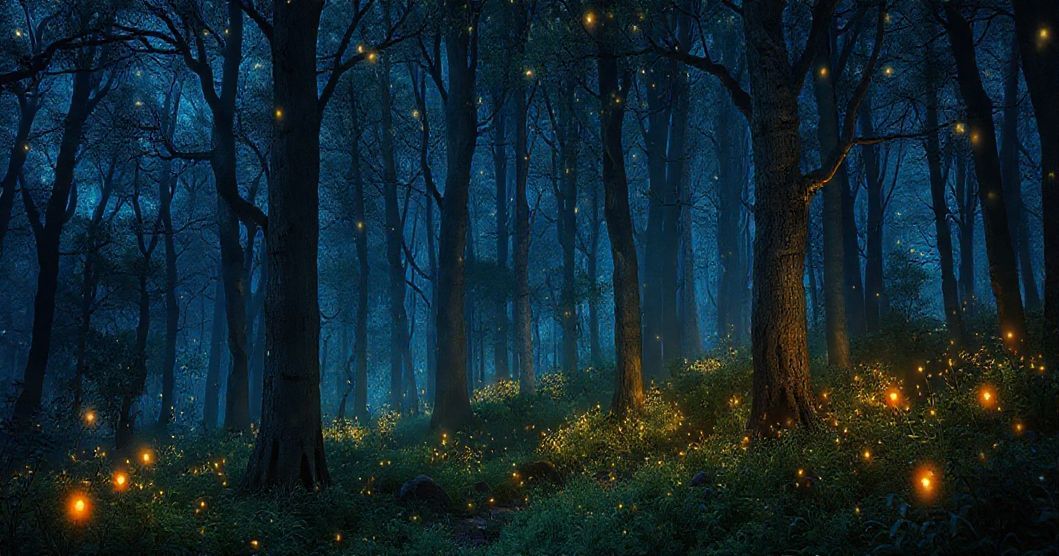
Part 1: Dream Presentation
Dreams often serve as mirrors reflecting our deepest psychological landscapes, and this particular dream offers a vivid portrait of modern existence colliding with primal fears. The dream begins with a familiar rhythm of sleep and wakefulness—9:30 PM to 4 AM, a period when many experience sleep cycles and potential disruptions. The transition from falling asleep to the dream’s surreal unfolding is marked by a digital influence: the medieval braiding video, a TikTok scroll, and the algorithmic repetition of clay tablet imagery. This introduction sets the stage for a dream that blurs digital and physical reality, where the dreamer becomes both observer and participant in a world that feels simultaneously familiar and alien.
The rewritten dream narrative (preserving all core details) follows: I experienced a profoundly disorienting dream sequence that began when I fell asleep around 9:30 to 10:30 PM, sleeping soundly until approximately 4 AM—my usual waking hour. Unable to return to sleep afterward, I spent nearly an hour watching TikTok videos, including one on medieval fingerloop braiding that captured my interest. By 5:00 to 5:30 AM, I tried sleeping again, and the dream began unfolding. I felt as though I was simultaneously scrolling through digital content and physically present within it—a surreal experience where clay tablets inscribed with nonsensical alien-themed text appeared, accompanied by automated comments that misquoted the symbols, mimicking an algorithmic feed I’d seen online. This 'scrolling' continued with identical, repetitive video-like scenarios, blurring the line between observation and participation. The dream then shifted to a beach where I encountered duplicate versions of friends M and K—subtly different in appearance and behavior yet identical in presence. M#1 walked toward me along wet sand, while M#2 stood higher up, chatting with another friend about swimming, and K#1 engaged in separate play, with K#2 lingering nearby. I felt a ghostly presence, confused by their uncanny duplication. Next, I found myself in a room with friends, where one individual struck another with what appeared to be an axe or baseball bat. The friend struck didn’t bleed or collapse but merely wept, and I desperately tried to intervene, begging the aggressor to stop. However, the victim seemed oddly curious about the outcome, and I watched in horror as the blow landed, only to feel the dream shift again. I returned to a TikTok-like format, this time able to walk through a concrete hallway filled with square crawl spaces—like a waffle folded into architecture—with darkness surrounding me. I held a flashlight, illuminating shadowy limbs that seemed detached from any body, creating an unsettling visual effect. At the hallway’s end, a cheerful influencer appeared, but when I repeated the scene, the figure vanished, leaving me alone. Loud, insistent music blared, with someone screaming or singing 'OPEN THE ??? DOOR'—I initially heard 'family' but couldn’t be certain—accompanied by pounding drums that crescendoed to an unbearable pitch. Just as terror overwhelmed me, I 'opened my eyes'—only to discover I couldn’t move. My eyes alone functioned, and my body felt paralyzed, as if crushed downward despite no physical pressure. Panic surged as I fought to regain control, finally moving my leg and restoring full bodily function after what felt like an eternity. This waking paralysis was unlike anything I’d experienced before, leaving me shaken and desperate for answers.
Part 2: Clinical Analysis
Want a More Personalized Interpretation?
Get your own AI-powered dream analysis tailored specifically to your dream
🔮Try Dream Analysis FreeSymbolic Landscape: The Uncanny Valley of Digital Dreams
The dream’s opening sequence—clay tablets with alien text and algorithmic comments—reflects modern digital overload, where information feels both ancient and alien. These tablets symbolize humanity’s search for meaning in chaotic data, while the misquoted comments mirror how algorithms distort reality to fit patterns. The beach scene with duplicate friends embodies the 'uncanny valley' effect: identical yet subtly different figures evoke existential uncertainty about identity and connection. In Jungian terms, these duplicates represent the shadow self—parts of the psyche we disown yet recognize in others. The friend struck by an axe or bat symbolizes repressed anger or conflict, with the victim’s tears suggesting emotional vulnerability beneath aggression.
The crawl space imagery in the hallway is particularly significant. These square, enclosed spaces evoke entrapment and exposure simultaneously—like a waffle folded into architecture, they represent the fragmented nature of digital existence. The shadowy limbs without bodies mirror the disembodied feeling of online interaction, where identities become disassociated from physical form. The influencer at the hallway’s end, cheerful yet ultimately absent, embodies the performative nature of social media personas—present but empty, a false promise of connection.
Psychological Undercurrents: Sleep Disruption and Cognitive Dissonance
Freud might interpret this dream as a manifestation of repressed anxiety about modern life’s fragmentation. The inability to control the dream’s 'scrolling' reflects a subconscious struggle with information overload and loss of agency in a digital age. Cognitive dream theory suggests the dream processes recent experiences: the medieval braiding video (a specific skill) and TikTok algorithm (repetitive content) seep into the dream as clay tablets and duplicate videos. The sleep paralysis at the end aligns with REM sleep behavior disorder, where the brain’s paralysis mechanism fails, allowing physical movement during dreaming. This failure creates a paradox: the body knows it’s dreaming yet can’t move, triggering the terror of waking paralysis.
Neuroscientifically, the dream’s structure mimics REM sleep’s rapid transitions between states, while the waking paralysis represents the brain’s post-dream integration phase gone awry. The 'waking up' sequence—eyes opening but body frozen—reflects the brain’s struggle to separate dream from reality, a phenomenon known as 'confusion arousal' when REM sleep ends abruptly.
Emotional and Life Context: Digital Anxiety and Unresolved Conflict
The dreamer’s pre-sleep activities—watching TikTok and learning medieval braiding—suggest a mind processing both ancient and modern information. The medieval braiding video, a skill requiring focus and repetition, may symbolize the dreamer’s need for structure in a chaotic digital world. The inability to return to sleep after 4 AM hints at insomnia or fragmented sleep cycles, which often trigger vivid, disjointed dreams. The waking paralysis, while terrifying, likely reflects real-life stressors: feeling crushed by responsibilities, trapped in unfulfilling routines, or struggling to maintain control over daily life.
The duplicate friends and violent act suggest unresolved relationship conflicts or guilt about past interactions. The dreamer’s attempt to 'change the outcome' of the violent scene represents a desire to rewrite past mistakes, while the friend’s curious acceptance of the blow reflects resignation or confusion about emotional boundaries.
Therapeutic Insights: Bridging Dream and Waking Life
To address the trapped feeling and nightmare elements, dreamers can practice lucid dreaming techniques. Before sleep, visualize the desired outcome—opening eyes without paralysis—and repeat affirmations like 'I am dreaming and can control this.' For sleep disruption, establish a pre-sleep routine: avoid screens an hour before bed, reduce caffeine, and practice progressive muscle relaxation to calm the nervous system.
The waking paralysis itself is often harmless, linked to REM sleep behavior disorder or sleep inertia. To prevent it, maintain consistent sleep schedules, avoid alcohol before bed, and practice 'body awareness' exercises during the day to reduce muscle tension.
FAQ Section: Navigating the Uncanny Dream Experience
Q: Why did the dream include both digital scrolling and physical actions?
A: This reflects how modern life merges digital and physical experiences, with the brain processing both online stimulation and real-world anxieties simultaneously.
Q: How can I recognize lucid dreaming earlier to avoid waking paralysis?
A: Practice reality checks (pinching nose and breathing through it; if you can, you’re dreaming) throughout the day, then apply this awareness to dreams. Visualize controlling the dream environment when you notice inconsistencies.
Q: Is waking paralysis dangerous, and why does it feel so real?
A: Waking paralysis is harmless but terrifying. It occurs when the brain’s REM sleep paralysis mechanism fails, triggering the 'startle response' as the body reactivates. Grounding techniques (focusing on breathing, counting fingers) can reduce panic.
Keywords: sleep paralysis, digital overload, duplicate identity, sleep disruption, dream control, uncanny valley, archetypal conflict, waking paralysis, medieval braiding, algorithmic imagery Entities: clay tablets, duplicate friends, crawl space imagery, sleep paralysis experience, digital scrolling