
Part 1: Dream Presentation
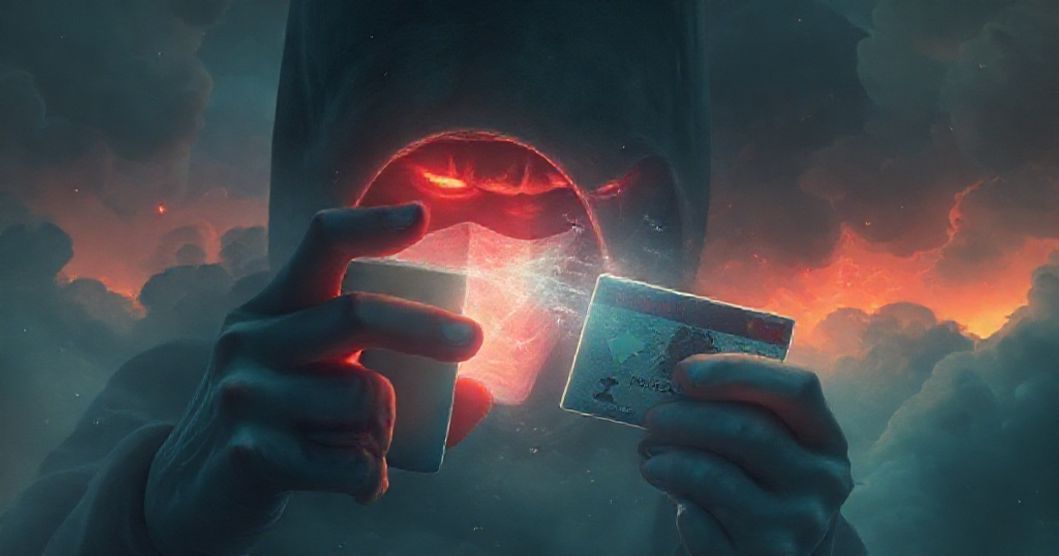
Dreams often serve as a mirror to our unconscious emotional landscapes, and this particular dream lingered in the dreamer’s mind for weeks, refusing to fade. The dream unfolded as a sequel to a prior nocturnal experience, yet its imagery carried new layers of tension and clarity. In the dream, the dreamer found themselves in a liminal space—neither fully familiar nor entirely foreign—where the ordinary world warped into something uncanny. The threat materialized not as a physical beast but as a swirling mass of blinding light, a paradoxical creature whose brightness felt both illuminating and terrifying. Its form remained elusive, yet its presence was inescapable, triggering an instinctual need to hide and flee. The dreamer’s body moved on its own, sprinting through twisting corridors with breathless urgency, heart pounding, as the light-monster seemed to track them relentlessly. Just when escape felt impossible, a stranger offered a debit card—a symbol of access and resourcefulness—imparting a sense of safety that dissipated the monster’s threat. This vivid sequence, with its stark contrasts of fear and reassurance, prompted the dreamer to reflect deeply on its meaning, a reflection that revealed more about their waking emotional state than they initially realized.
Part 2: Clinical Analysis
Symbolic Landscape: The Light-Monster and the Debit Card
Want a More Personalized Interpretation?
Get your own AI-powered dream analysis tailored specifically to your dream
🔮Try Dream Analysis FreeThe luminous monster at the heart of this dream embodies a classic Jungian shadow archetype—an ambiguous, threatening figure that represents repressed fears or anxieties. Unlike concrete, identifiable terrors (monsters with claws or teeth), this creature’s form as “bright light” introduces complexity: light symbolizes both illumination and danger, clarity and confusion. In dreams, such paradoxical imagery often reflects the dreamer’s relationship with uncertainty—facing new life circumstances (as they noted “a lot going on in my life that is really new”) triggers a primal fear of the unknown, where the threat isn’t clearly defined but still feels omnipresent. The act of hiding and running mirrors avoidance behaviors common in waking life, where we retreat from ambiguity rather than confronting it directly. The debit card, conversely, emerges as a powerful symbol of agency. In dreamwork, everyday objects frequently represent internal resources: the card itself signifies access to one’s own capabilities, values, or opportunities—both practical (financial stability) and psychological (self-confidence). Its gift suggests that the dreamer’s unconscious recognizes protection not as external force but as an inherent part of their being, a “resource” to be accessed when fear arises.
Psychological Undercurrents: Uncertainty, Protection, and Unconscious Problem-Solving
From a Freudian perspective, the dream might reflect repressed anxieties about new life transitions—career changes, relationships, or personal growth that feel destabilizing. The “sequel” nature of the dream hints at an unresolved theme from the prior dream, suggesting these fears have persisted rather than been integrated. Jungian psychology, however, views the light-monster as a shadow that demands acknowledgment rather than suppression; its brightness forces the dreamer to confront what they’ve been avoiding. The stranger’s role is particularly significant: in dream symbolism, strangers often represent aspects of the self we haven’t yet integrated. This figure’s gift of protection could symbolize the dreamer’s emerging self-awareness—recognizing that they already possess the tools to navigate uncertainty. Neuropsychologically, dreams like this may process emotional information, with the debit card representing a “solution” pathway the brain generates to manage anxiety. The dream’s persistence (“won’t leave my mind”) suggests the unconscious is still working through these themes, using repetition to ensure the message is received.
Emotional and Life Context: Navigating the Unknown
The dreamer’s note about “a lot going on in my life that is really new” aligns with a period of psychological transition. When we enter uncharted territory—whether through career shifts, moving, or relationship changes—our unconscious often manifests fears as abstract threats. The light-monster isn’t “what” we fear but “how” we feel: the dread of unpredictability, the fear that we lack control, and the vulnerability of stepping into the unknown. The debit card’s dual meaning—“freedom you have when you have access to things” and “traits about yourself”—suggests the dreamer intuitively understands that self-protection isn’t about external security but internal resources. This aligns with modern psychology’s emphasis on resilience: recognizing that our strengths (confidence, adaptability, knowledge) are our most reliable defenses against uncertainty. The dream’s refusal to fade implies these themes are still unresolved, signaling a need to process rather than avoid.
Therapeutic Insights: Embracing Ambiguity and Accessing Inner Resources
For the dreamer, this dream offers actionable reflection. First, journaling exercises can help map the “new life situations” triggering anxiety—identifying specific areas of uncertainty (career, relationships, personal goals) to confront them directly. Second, exploring the “debit card” metaphor: what internal resources (skills, values, support systems) do they already possess that can be leveraged? This might involve mindfulness practices to recognize these resources in waking moments. Third, reframing the “light monster” as a teacher rather than a foe: instead of fearing the unknown, ask, “What is this situation teaching me about myself?” The dream suggests that protection comes not from avoiding fear but from acknowledging it and accessing one’s inherent capabilities. Finally, integrating this insight into daily life through small acts of courage—confronting minor uncertainties—to build confidence in handling larger challenges.
FAQ Section
Q: What does a “bright light monster” symbolize in dreams?
A: A light-monster typically represents ambiguous fears tied to the unknown—illuminating yet threatening, it reflects uncertainty about new life situations or repressed anxieties. Its brightness suggests you’re confronting something that feels both revealing and terrifying.
Q: Why did the dreamer feel the need to “protect” themselves with a debit card?
A: The debit card symbolizes access to internal/external resources—your strengths, values, or opportunities. The dream suggests protection comes from recognizing you already possess tools to manage fear, not external forces.
Q: How can I tell if I’m overinterpreting my dreams?
A: If a dream recurs or causes distress, it likely holds meaning. Focus on emotions (fear, relief) and recurring themes (like the “new life” context here). Overinterpretation is less likely when the dream feels personally resonant and won’t “leave your mind.”