
Part 1: Dream Presentation
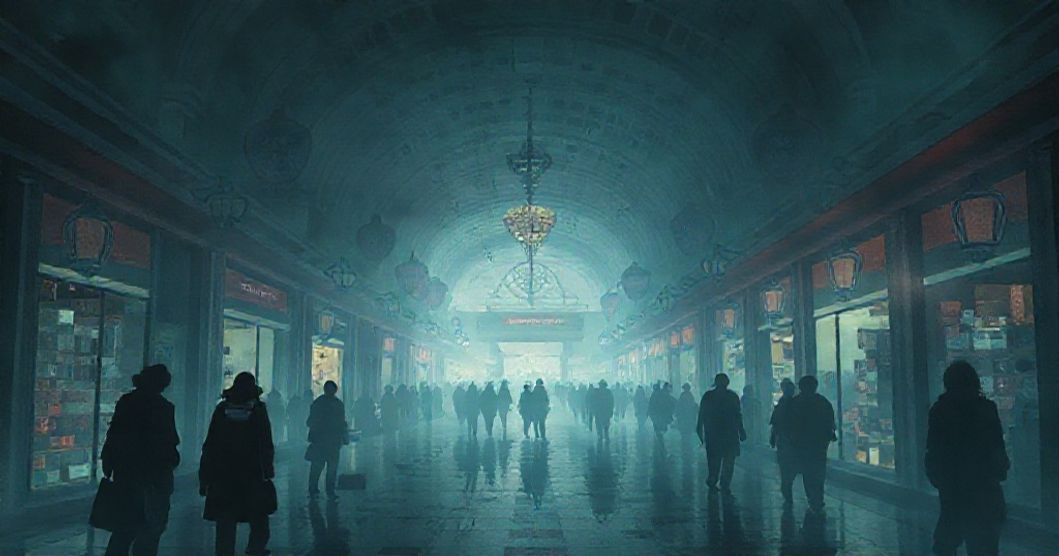
Dreams often serve as the unconscious’s way of revisiting unresolved conflicts, and this nightmarish vision offers a raw window into the dreamer’s psychological landscape. The dream begins with a trigger—a television broadcast that ignites an overwhelming rage, channeling it into a violent act of destruction. The mall, a modern symbol of consumerism and anonymity, becomes the stage for this symbolic massacre, where the dreamer’s actions blur the line between justified justice and senseless violence. Security guards and innocent bystanders fall victim to the dreamer’s rampage, their faces merging into a collective of unnamed victims that underscores the dehumanizing nature of rage. The arrest and subsequent prison imagery represent the fear of being permanently branded by one’s actions, while the family’s silent condemnation amplifies the guilt that permeates the narrative.
The dreamer’s internal conflict is palpable: they kill without pleasure yet cannot escape the horror of their actions, mirroring the psychological reality of trauma survivors who often feel disconnected from their own agency during flashbacks or nightmares. The recurring motif of the shotgun—a tool of both protection and destruction in the dreamer’s reality—becomes a literalization of this duality, as does the mall itself, a space that simultaneously feels safe and threatening.
Part 2: Clinical Analysis
Want a More Personalized Interpretation?
Get your own AI-powered dream analysis tailored specifically to your dream
🔮Try Dream Analysis FreeSymbolic Landscape: The Unconscious’s Warning
The shotgun in the dream is a powerful phallic symbol of aggressive energy, but its context here is crucial. Unlike traditional aggressive dreams where the weapon might represent power, this dream uses it as a vehicle for destruction without agency. The mall, as a public space, embodies the dreamer’s fear of being seen as irredeemable—a modern cathedral of anonymity where one’s true self might be exposed. The security guards, often symbols of order and protection, become victims themselves, suggesting the dreamer’s perception that societal safeguards (law enforcement, rehabilitation systems) may be equally flawed or punitive.
The innocent child’s presence in the dream, though unnamed, echoes the original trauma: the grazed hand of a child who suffered unintended harm. This repetition suggests the dreamer’s persistent guilt over causing harm, even when the outcome was unintended. The prison imagery represents the fear of being trapped in one’s past—a common Jungian theme of shadow integration, where the unconscious forces us to confront parts of ourselves we’ve repressed or projected onto others.
Psychological Undercurrents: Trauma, Guilt, and Shadow Integration
From a Jungian perspective, this dream is a classic example of shadow integration—the process of acknowledging and integrating repressed aspects of the psyche. The dreamer’s past violent act (shooting a house, injuring a child) represents a shadow aspect they’ve tried to suppress, and the mall massacre is the shadow’s dramatic manifestation. The guilt and family condemnation mirror the Jungian concept of the ‘anima/animus’—the feminine/masculine aspects of the self that demand recognition.
Freudian analysis would view the dream as a displaced expression of repressed aggression, where the television trigger symbolizes a forbidden thought or memory that surfaces. The dream’s structure—rage → action → punishment—reflects the id’s demands clashing with the superego’s moral constraints, resulting in the ego’s collapse into chaos.
Neuroscientifically, this nightmare aligns with the default mode network’s activation during REM sleep, where traumatic memories are reprocessed. The dreamer’s history of trauma (violent crime, witnessing harm) likely activates the amygdala, triggering hypervigilance and emotional flooding in sleep, manifesting as the mall massacre.
Emotional and Life Context: Unprocessed Trauma and the Fear of Redemption
The dreamer’s four-year rehabilitation period suggests an active attempt at change, yet the nightmare reveals that trauma remains unprocessed. The ‘nearest mall’ as the target for violence may symbolize modern societal pressures—the dreamer’s sense that they are trapped in a system that either ignores or punishes their efforts. The family’s visit, though brief, represents the external validation the dreamer seeks but cannot find, highlighting the internal conflict between self-forgiveness and external judgment.
The dream’s emphasis on the child’s injury underscores the dreamer’s core wound: the unintended harm to an innocent. This is a classic ‘survivor’s guilt’ pattern, where the perpetrator internalizes the harm done to others, even when not directly intended. The dream’s horror arises not from the act itself, but from the recognition that the shadow self (violent impulses) is still alive and dangerous.
Therapeutic Insights: Processing the Nightmare Through Awareness
The dreamer can begin by separating the dream’s symbolic violence from reality. Journaling exercises that map the emotional triggers (the television broadcast, the mall, family reactions) can help identify waking patterns that mirror the dream’s themes. Mindfulness practices focusing on breathwork during moments of rage could interrupt the cycle of impulsive action.
Exploring the ‘why’ behind the rage—beyond the dream’s immediate trigger—can reveal deeper unmet needs or unprocessed grief. Family therapy might help reframe the family’s response from condemnation to support, reducing the dream’s punitive imagery. The dream’s message is not that the dreamer is irredeemable, but that their shadow self demands integration, not suppression.
FAQ Section
Q: Why did the dreamer feel both horrified and numb during the massacre?
A: This emotional duality reflects the dissociation common in trauma responses. The mind numbs to survive overwhelming emotions, while horror surfaces as the superego reasserts moral judgment.
Q: How does the mall setting symbolize deeper fears?
A: The mall represents modern isolation and anonymity, where the dreamer may feel both invisible and exposed. It mirrors the fear of being reduced to one’s worst actions in society’s collective eye.
Q: Is this dream a sign of dangerous tendencies?
A: No. Nightmares of violence rarely indicate real intent. Instead, they signal emotional processing—your guilt and trauma are signs of a healthy psyche trying to integrate its contradictions, not a prediction of harm.