
Part 1: Dream Presentation
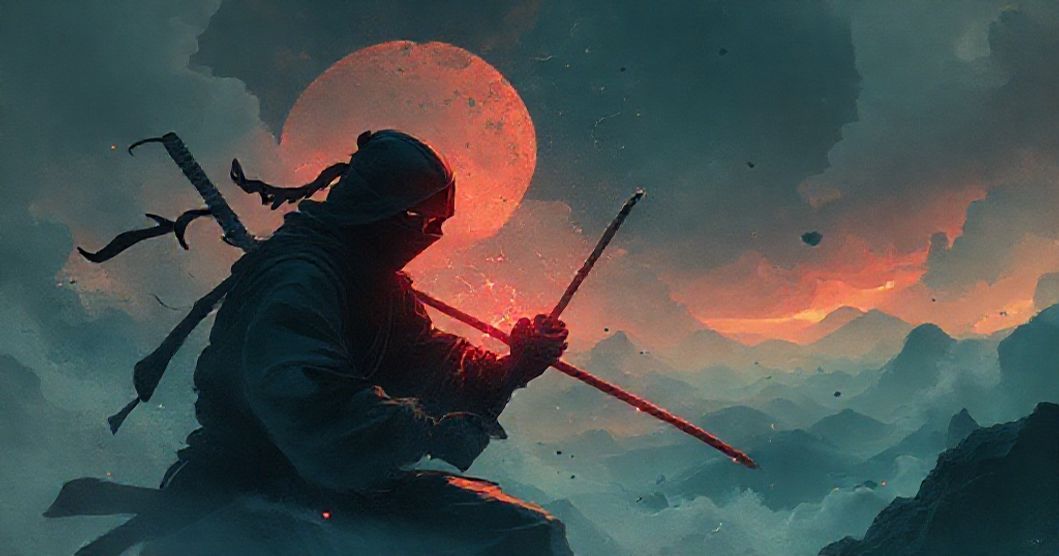
Dreams possess an uncanny ability to translate internal turmoil into visceral, almost physical experiences, blurring the boundaries between the psychological and the physiological. Consider this haunting narrative: the dreamer finds themselves in a shadowed alley, a space typically associated with danger and vulnerability, where an unseen threat materializes as a silent ninja—an archetype of stealth, unpredictability, and hidden aggression. The sequence of events—pursuit, stabbing, feigning death—unfolds with the clarity of a waking nightmare, culminating in the abrupt transition to consciousness. Yet what distinguishes this dream is the persistence of pain: not just the fleeting imagery of a stab wound, but the lingering sensation in the right side of the abdomen that persisted into waking life. This physical aftereffect suggests the dream’s emotional and psychological impact transcended mere symbolism, leaving a tangible imprint on the dreamer’s nervous system.
The rewritten dream captures this journey in precise detail: the sensory overload of the alley, the stealthy approach of the ninja, the visceral pain of the stab wounds, and the disorienting transition to wakefulness. The right-sided stabbing, in particular, carries significance, as the right hemisphere of the brain often processes emotions and aggression, while the right side of the body in dreams frequently relates to action-oriented aspects of self. The act of ‘playing dead’ introduces another layer of meaning: a defensive strategy, a temporary surrender, or a desire to avoid confrontation that may reflect waking life choices.
Part 2: Clinical Analysis
Want a More Personalized Interpretation?
Get your own AI-powered dream analysis tailored specifically to your dream
🔮Try Dream Analysis FreeSymbolic Landscape: Unraveling the Dream’s Visual Language
The ninja emerges as a multifaceted symbol in this dreamscape. In Jungian psychology, the ninja can represent the shadow self—the hidden, often feared aspects of personality that feel threatening or alien. This stealthy figure embodies the dreamer’s unconscious fears, perhaps repressed anxieties that lurk beneath the surface of awareness. The alley, a liminal space between light and darkness, further emphasizes the dream’s focus on boundary crossings—between safety and danger, awareness and denial.
Stabbing imagery carries profound symbolic weight, particularly in the abdomen. In dreamwork, the stomach and abdomen are associated with the emotional core of the self, representing how we ‘digest’ experiences and process emotions. A stab here suggests a violation of this emotional center, as if the dreamer feels their sense of self is under attack. The specific location—the right side—may indicate a dominant emotional pattern or a recurring threat in the dreamer’s life. The pain itself, both during the dream and afterward, functions as a signal—a physical manifestation of unresolved psychological tension that the body refuses to dismiss.
Psychological Currents: Theories Illuminating the Unconscious
From a Freudian perspective, this dream may reflect repressed anger or aggression, either directed inward or toward others. The act of being hunted and stabbed could symbolize the dreamer’s fear of expressing these emotions openly, leading to their ‘internalization’ as physical pain. The ninja’s anonymity reinforces the idea of unconscious conflicts that lack clear form or identity, yet feel acutely threatening.
Jungian analysis adds depth by viewing the ninja as a manifestation of the shadow archetype—a necessary part of the psyche that demands integration. The shadow often represents unacknowledged fears, and the dream’s intensity suggests these shadows have grown too large to ignore. The ‘death’ or feigning of death in the dream could signify a desire to escape these shadows, or alternatively, a need to confront them directly.
Neuroscience offers another lens: during REM sleep, the brain’s pain-processing regions remain active, particularly when emotional content is high. This explains why the dreamer felt physical pain upon waking—their brain’s memory systems conflated the dream’s emotional intensity with actual physiological sensations. The brain, in its attempt to make sense of the dream’s threat, activated the same neural pathways responsible for real-world pain perception.
Emotional & Life Context: The Unseen Triggers
To interpret this dream, we must consider the dreamer’s waking emotional landscape. The ninja’s ambush and stabbing may mirror a period of feeling hunted—perhaps by work pressures, relationship conflicts, or a sense of being overwhelmed by external demands. The ‘right side’ of the body, often associated with action and dominance, could indicate a persistent threat in the dreamer’s life that feels unavoidable or inescapable.
The lingering pain upon waking suggests that whatever emotional issue triggered the dream remains unresolved. The dream acts as a ‘safety valve,’ allowing the unconscious to process these tensions before they boil over into waking life. The act of ‘playing dead’ may reflect a coping mechanism: a temporary withdrawal from conflict, a refusal to engage with pain directly, or a fear of confronting the source of the threat.
Therapeutic Insights: From Dream to Self-Awareness
This dream invites the dreamer to pause and examine areas of their life where they feel vulnerable or under attack. The first step is acknowledging the pain—both the physical aftereffect and the emotional undercurrent. Journaling exercises could help identify recurring themes: Are there patterns of feeling hunted in waking life? What relationships or responsibilities feel like ‘ambushes’?
Grounding techniques, such as 5-4-3-2-1 mindfulness (noting five things to see, four to touch, etc.), can help separate the dream’s symbolic pain from physical sensations. This practice bridges the gap between the unconscious’s message and conscious reality.
The ninja, as shadow archetype, suggests the need to integrate previously avoided aspects of self. This may involve exploring where the dreamer feels ‘stabbed’ by external circumstances and whether they’re unconsciously surrendering power to avoid conflict. Therapy could facilitate this exploration by helping the dreamer identify the source of their ‘hunted’ feeling and develop healthier ways to respond to threats.
FAQ: Navigating Dream Interpretation
Q: Why did I experience physical pain in my stomach after the dream?
A: The brain’s pain-processing regions remain active during REM sleep, especially with emotionally charged dreams. The intensity of the dream’s emotional content triggers the same neural pathways as real pain, creating a ‘phantom’ pain that persists as a signal to address underlying emotions.
Q: Is a ninja in a dream always a symbol of danger?
A: Not necessarily. In some cases, a ninja could represent resourcefulness or the need to adapt to challenging situations. However, in this context, the stealthy, threatening nature strongly suggests it symbolizes repressed fears or unresolved conflicts.
Q: How can I differentiate between a symbolic dream and a premonition?
A: Symbolic dreams reflect internal states, while premonitions are rare and lack the emotional context. This dream’s focus on pain and vulnerability points to psychological processing, not prediction. Use journaling to track recurring themes and emotions.
Reflective Closing
This dream serves as a powerful reminder that our bodies and minds communicate in complex ways. The ninja’s attack, while terrifying, offers an opportunity for self-reflection: What parts of ourselves do we fear? Where do we feel ‘stabbed’ by life’s demands? By acknowledging the dream’s message and integrating its lessons, the dreamer can transform this nightmare into a tool for growth—confronting shadows, addressing pain, and reclaiming a sense of safety and agency in waking life.