
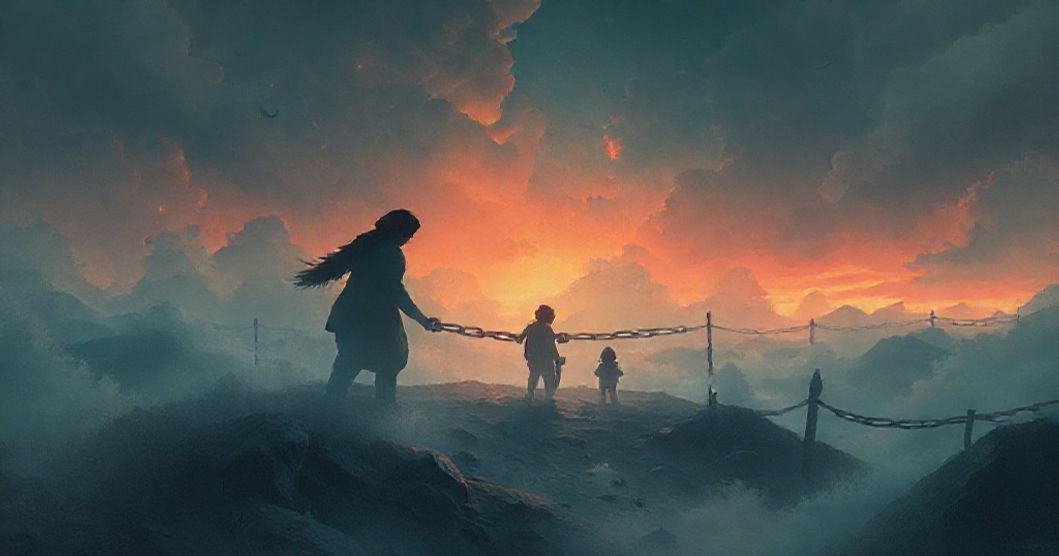
Part 1: Dream Presentation
Dreams often arrive unannounced, carrying symbolic messages from our deeper consciousness. Consider this vivid dream experience, where the boundaries between safety and terror blur in a domestic landscape fraught with ancestral fears and modern anxieties.
The dream begins with the disorienting transition from sleep to wakefulness—a common threshold where the mind’s imagery lingers like a half-remembered song. The dreamer, working night shifts, had sought respite in a two-hour nap, only to be jolted awake by racing heart and the primal urge to fight. The first nightmare unfolds in a kitchen bathed in rain’s somber light, where domesticity collides with existential threat. Here, the kitchen—a space of nourishment and family connection—becomes a battlefield, its counters cluttered with tension rather than dishes. My mother and grandmother, figures of maternal authority, confront an unseen danger: our neighbor, a man with a history of death threats and drunken violence. His mere presence triggers a cascade of protective instincts.
The scene shifts to the bathroom, a space of bodily functions and vulnerability, where the dreamer hides behind the refrigerator, knife in hand—a paradoxical choice: the knife, a tool of defense, is wielded by someone who ‘can’t lift heavy things,’ suggesting a mismatch between perceived strength and actual capability. The sunflowers, applied by the sister with ‘jewel-like’ precision, introduce a layer of personal symbolism—perhaps resilience, or a childhood memory, or something about the sister’s relationship to the dreamer. The second dream deepens this narrative, expanding the family circle to include cousins, an uncle with a newborn, and the same menacing neighbor. Here, the dreamer takes on a more active role as protector, physically lifting the grandmother and distributing weapons, yet feeling ‘the only one’ despite others’ presence.
Want a More Personalized Interpretation?
Get your own AI-powered dream analysis tailored specifically to your dream
🔮Try Dream Analysis FreeThe recurring motif of rain permeates both dream sequences, a visual metaphor for emotional downpour and psychological pressure. The clothes hanging outside—work uniform, essential for survival—stand as symbols of vulnerability, exposed to the night’s threats. The neighbor, an estranged relative with a history of violence, embodies the shadow self: a figure from the family’s past that refuses to stay buried, manifesting as a threat in both dreams.
Part 2: Clinical Analysis
Symbolic Landscape: Decoding the Dream’s Visual Language
The neighbor, a central figure in both dreams, functions as a shadow archetype—a representation of repressed fears and unresolved conflicts. In Jungian psychology, the shadow contains aspects of ourselves we disown, and here, the neighbor becomes the dreamer’s projected fear: his threats and violence mirror the dreamer’s inability to fully process her own rage or vulnerability. The kitchen, typically a nurturing space, transforms into a site of conflict, suggesting that safety and danger coexist in the dreamer’s domestic life.
The knife, wielded by the dreamer in both nightmares, symbolizes the need for control in an uncontrollable situation. The act of giving a knife to the uncle and retrieving one for herself reveals a complex dynamic: the dreamer seeks to empower others while asserting her own agency. This tension between protection and delegation hints at the dreamer’s internal struggle between taking on too much responsibility and trusting others to protect themselves.
Rain, a recurring element, functions as both literal and metaphorical. In dream imagery, rain often represents emotional release or purification, but here it carries a more oppressive tone—constant, unrelenting, and inescapable. The clothes hanging outside in the rain further emphasize vulnerability: the work uniform, essential for survival, is exposed to danger, symbolizing the dreamer’s fear of being caught off-guard in her daily life.
The sunflowers, applied by the sister, introduce a layer of personal meaning. Sunflowers typically symbolize resilience, loyalty, and the sun’s life-giving energy. The ‘jewel-like’ quality suggests they’re not just decorative but precious—a reminder of the dreamer’s connection to her sister, perhaps through shared memories or emotional bonds. Their placement on the hand, a vulnerable area, hints at the dreamer’s desire to hold onto these connections while facing danger.
Psychological Perspectives: Unpacking the Dreamer’s Inner World
Freudian analysis might interpret the dream as a manifestation of repressed aggression and fear. The dreamer’s night shift work and exposure to danger could trigger unconscious anxieties about her own safety and the safety of others. The repeated neighbor figure represents an unresolved conflict: the dreamer’s fear of this man, combined with his familial connection (grandfather’s brother), creates a tangled web of cultural and personal tension.
Jungian psychology offers a complementary lens, viewing the neighbor as a shadow archetype—the part of the family that threatens the dreamer’s sense of safety. The protective role the dreamer assumes aligns with the anima/animus archetype, where masculine energy (the dreamer’s protective drive) balances feminine nurturing. The family, including the uncle with his newborn, represents the collective unconscious—the dreamer’s connection to her heritage and bloodline.
Cognitive dream theory posits that dreams process real-world stressors into narrative form. The neighbor’s repeated appearance suggests the dreamer’s mind is working through this threat, attempting to find solutions in the safety of sleep. The act of ‘remembering the last dream’ and laughing nervously indicates the dreamer’s attempt to rationalize the irrational, a common defense mechanism against overwhelming fear.
Emotional & Life Context: The Unseen Pressure Points
The dreamer’s stated fear of the neighbor is rooted in real threats: prior arrests, drunken rampages, and witchcraft rumors. The Native American cultural context adds another layer of fear—these rumors, often tied to historical trauma, may have been internalized as ancestral danger. The dreamer’s ‘strong maternal instincts despite not wanting children’ suggests a conflict between nurturing impulses and fear of responsibility, perhaps related to the family’s vulnerability.
Working night shifts introduces physical and emotional fatigue, which can heighten dream activity. The two-hour nap, a brief reprieve, may have triggered a deeper processing of daytime stressors. The dream’s emphasis on family protection hints at the dreamer’s role as a caretaker, even without children, reflecting her desire to shield loved ones from harm.
The clothes hanging outside in the dark symbolize exposure and vulnerability—the dreamer’s work uniform, essential for survival, is left unprotected, mirroring her waking fear of being caught off-guard. This visual metaphor suggests the dreamer feels exposed in her daily life, even in a domestic setting.
Therapeutic Insights: Navigating Fear in the Waking World
The dream offers an opportunity for the dreamer to explore her protective instincts and underlying fears. Journaling about the dream’s details—specifically the neighbor’s appearance, the knife’s weight, the rain’s sound—can help externalize the fear and reduce its power.
Setting clear boundaries is essential. The dreamer might consider addressing the neighbor’s threats directly with law enforcement or family members, transforming the shadow into a manageable problem. Creating a safety plan for her home, such as secure locks or emergency contacts, can reduce the sense of vulnerability.
Exploring the maternal instincts through therapy could reveal underlying desires or fears about family dynamics. The dream’s emphasis on family suggests the dreamer values connection deeply, even as she resists traditional maternal roles. This tension might be resolved through self-compassion: recognizing that protectiveness is a strength, not a weakness.
FAQ Section: Addressing the Dreamer’s Unique Concerns
Q: Why does the neighbor appear in so many dreams?
A: The neighbor likely represents an unresolved fear or threat in waking life. Dreams process stressors into symbolic narratives, helping the mind find solutions. Consider journaling his exact behaviors to externalize the fear.
Q: What does the knife symbolize in the context of not wanting children?
A: The knife represents protective agency, not just aggression. It reflects the dreamer’s desire to shield others without taking on parenthood, suggesting a different kind of caregiving role.
Q: How can I reduce the fear from this dream?
A: Practice grounding techniques (rain imagery in reverse: visualize a calm lake), set a physical reminder of safety (a symbolic object), and share the dream with a trusted person to externalize the fear.
Q: Why do I feel ‘the only one’ protecting the family?
A: This may reflect feelings of isolation in the face of danger, even with family present. Consider reaching out to others for support, creating a network of protection beyond your own efforts.
Q: How does the rain symbolize my emotional state?
A: Rain often represents emotional processing; the heavy, unrelenting rain mirrors the weight of fear. Notice if this corresponds to real-life sadness or anxiety, and use the rain as a signal to pause and breathe.